Historic 92.88% Voter Turnout Recorded in Bengal Phase 1 Polls
Synopsis
West Bengal's Phase 1 Assembly polls shattered a 13-year-old turnout record, hitting 92.88% across 152 constituencies — eclipsing the 2011 benchmark of 84.33% set during the fall of the Left Front. The final figure is expected to climb even higher, making this one of India's most remarkable democratic exercises.
Key Takeaways
92.88 per cent voter turnout recorded in West Bengal Phase 1 Assembly elections across 152 constituencies — the highest in the state's electoral history.
The figure is provisional as of April 23 midnight ; the final tally is expected to be even higher, per the Chief Electoral Officer's office .
The previous record of 84.33 per cent was set during the 2011 West Bengal Assembly elections , the year the Left Front's 34-year rule ended.
The record was already broken by 5 p.m. on April 24 — an hour before official close — when turnout stood at 89.93 per cent .
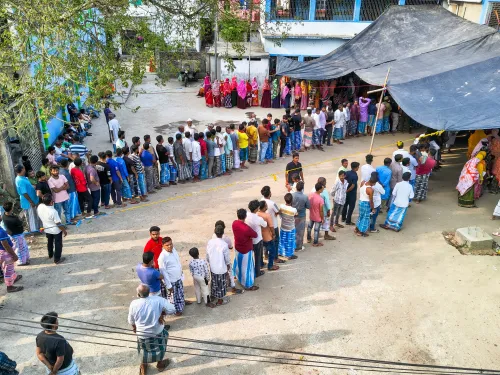
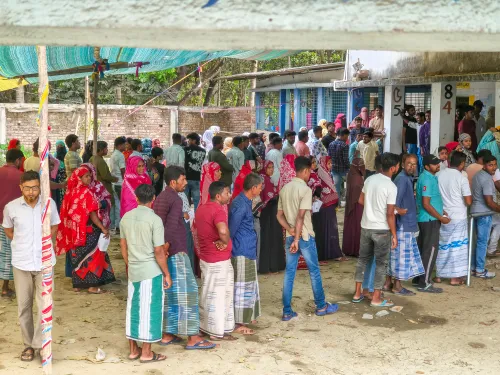
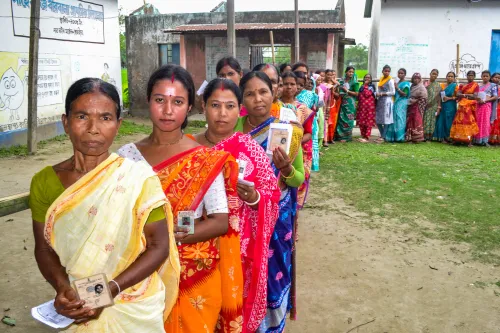
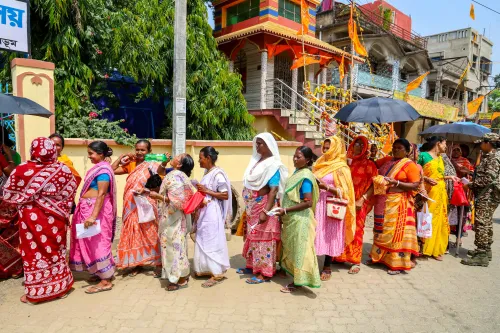
At least 5,000 polling booths had active voter queues at 6 p.m., prompting extended polling hours into the late evening.
A total of 41 arrests for poll disruption and 571 preventive arrests before polling day were made, with the overall process described as largely peaceful.
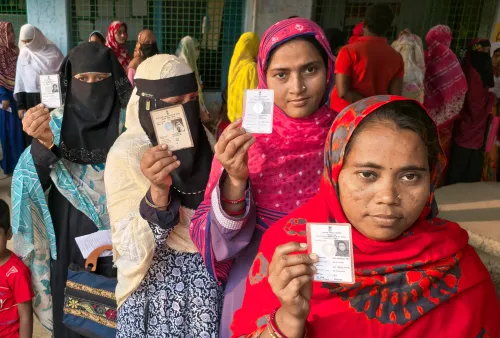
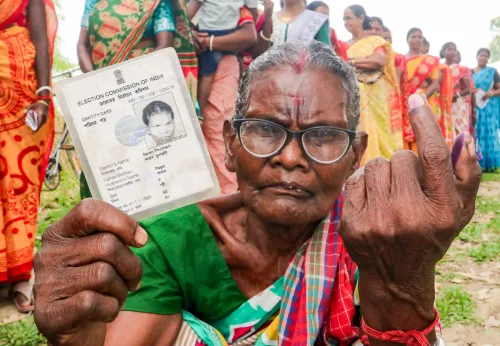
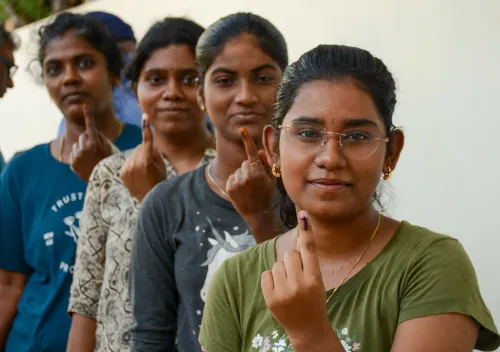
West Bengal scripted electoral history on Thursday, April 24, as the Election Commission of India (ECI) recorded a staggering 92.88 per cent voter turnout in the first phase of Assembly elections covering 152 constituencies — the highest polling percentage ever recorded in the state's democratic history. The figure, based on tabulation up to April 23 midnight, is still provisional, with the final number expected to be even higher once complete tallying is done.
Record Broken Before Polls Even Closed
In a remarkable development, the previous turnout record was already shattered by 5 p.m. on Thursday — a full hour before the official closing time of 6 p.m. At that point, the polling percentage stood at 89.93 per cent, already eclipsing the earlier benchmark. By midnight, the figure had climbed further to 92.88 per cent, cementing its place in West Bengal's electoral annals.
An insider from the office of the Chief Electoral Officer (CEO), West Bengal, confirmed that the final tabulation is still pending and the updated polling percentage — likely higher — will be officially announced once the process concludes.
The Previous Record: 2011 Assembly Elections
The record that was broken on Thursday had stood for over a decade. During the six-phase 2011 West Bengal Assembly elections, the average polling percentage was 84.33 per cent — the highest in 15 years at the time. That election was historically significant as it ended the 34-year Left Front regime in the state and ushered in the era of Mamata Banerjee's Trinamool Congress (TMC) government.
The fact that the 2024 figure has blown past that milestone by nearly 8.5 percentage points underscores a dramatic shift in voter mobilisation and civic engagement across the state.
Long Queues, Extended Polling Hours
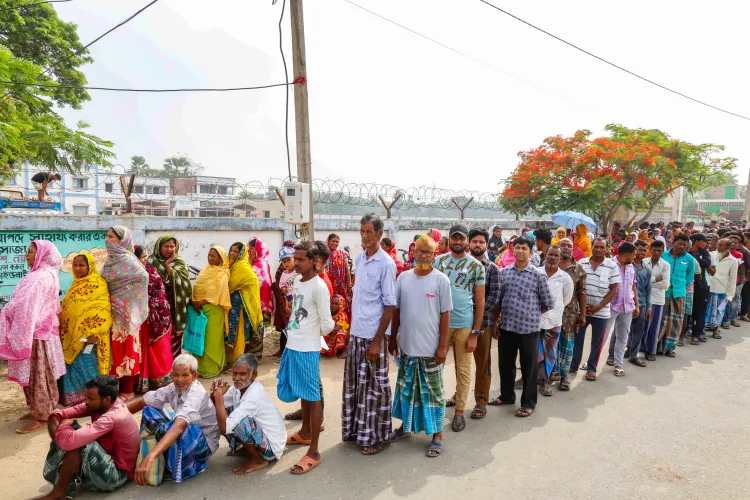
According to West Bengal CEO Manoj Kumar Agarwal, at least 5,000 polling booths across the 152 Assembly constituencies still had queues of voters when the official polling time ended at 6 p.m. In those booths, the electoral process continued well into the late evening to ensure every waiting voter was able to cast their ballot — a constitutionally protected right.
This logistical challenge — managing thousands of active booths past closing time — speaks to the sheer scale of voter enthusiasm witnessed on the ground.
Clean Voter Rolls: A Key Factor Behind the High Turnout
CEO Agarwal attributed a significant part of the record turnout to the systematic cleansing of the voter rolls. Absent, missing, shifted, and duplicate voters were deducted from the electoral list before polling, resulting in a more accurate denominator for calculating the turnout percentage. This administrative reform, often overlooked in turnout analyses, meaningfully inflated the effective participation rate.
This approach aligns with the ECI's broader push under its Special Summary Revision programme to maintain clean and updated voter lists — a process that directly impacts the credibility of reported polling figures.
Law and Order: Largely Peaceful, Some Disruptions
Despite the record turnout, the polling day was not entirely without incident. A total of 41 arrests were made for attempts to disrupt the electoral process. Additionally, 571 preventive arrests had been carried out before polling began on Thursday, indicating that security agencies were proactive in neutralising potential threats.
Overall, however, officials described the day as largely peaceful — a significant achievement given West Bengal's historical reputation for poll-day violence, particularly during high-stakes Assembly elections.
Broader Implications for West Bengal Politics
A turnout of nearly 93 per cent in a state as politically charged as West Bengal sends a powerful signal about voter sentiment. High turnout elections in the state have historically favoured the incumbent or the dominant challenger, making this figure a critical data point for political analysts ahead of the remaining phases.
This comes amid intense competition between the ruling Trinamool Congress, the Bharatiya Janata Party (BJP), and the Left-Congress alliance, with each party reading the turnout numbers through its own political lens. Final polling figures across all phases will be closely watched as a barometer of public mood in one of India's most electorally consequential states.
With the remaining phases yet to conclude, all eyes will be on whether subsequent constituencies match or exceed this historic benchmark — and what the final consolidated turnout figure signals for the election outcome.
Point of View
And no political establishment can afford to take the electorate for granted. What's worth scrutinising, however, is how the ECI's voter list cleansing exercise — removing absent and duplicate voters — mathematically boosted the percentage; the actual number of votes cast must be contextualised against total registered voters. Nonetheless, the sheer scale of participation, with 5,000 booths still running past closing time, points to a deeply engaged citizenry — one that will ultimately decide whether Mamata Banerjee's decade-long grip on Bengal holds or fractures.
NationPress
29 Sept 2026
Frequently Asked Questions
What was the voter turnout in West Bengal Phase 1 elections 2024?
The voter turnout in West Bengal's Phase 1 Assembly elections reached 92.88 per cent across 152 constituencies , according to ECI tabulation up to April 23 midnight. This is a provisional figure and the final number is expected to be even higher.
What was the previous voter turnout record in West Bengal?
The previous record was set during the 2011 West Bengal Assembly elections , when the average polling percentage was 84.33 per cent — the highest in 15 years at the time. The 2024 Phase 1 figure surpassed this by nearly 8.5 percentage points.
Why was the voter turnout so high in West Bengal Phase 1 polls?
West Bengal CEO Manoj Kumar Agarwal cited the cleansing of voter rolls — removing absent, missing, shifted, and duplicate voters — as a key reason for the high turnout percentage. Strong voter mobilisation and extended polling hours at over 5,000 booths also contributed.
Was West Bengal Phase 1 polling peaceful?
The polling was largely peaceful, with 41 arrests made on polling day for disruption attempts. Additionally, 571 preventive arrests were made before polls began, ensuring a largely incident-free election day across the 152 constituencies.
When will the final voter turnout figure for West Bengal Phase 1 be announced?
The 92.88 per cent figure is provisional, based on tabulation till April 23 midnight . The office of the Chief Electoral Officer, West Bengal , confirmed the final and updated turnout percentage will be announced once complete tabulation is done — and it is expected to be higher.