Historic 89.93% Voter Turnout in Bengal Phase 1 Polls Breaks 15-Year Record
Synopsis
West Bengal's Phase 1 Assembly elections shattered a 15-year voter turnout record, hitting 89.93% by 5 PM across 152 constituencies — surpassing even the historic 2011 elections that ended 34 years of Left Front rule. With the final figure expected to cross 90%, both BJP and TMC are reading the numbers through very different political lenses.
Key Takeaways
89.93% voter turnout was recorded by 5 PM on April 23 in West Bengal's Phase 1 Assembly elections — the highest in 15 years.
The record surpasses the previous benchmark of 84.33% set during the 2011 West Bengal Assembly elections that ended 34 years of Left Front rule.
Samserganj, Murshidabad recorded the highest constituency-level turnout at 95.34% ; South Dinajpur district led at 93.12% .
Polling covered 152 constituencies across 16 districts and was described as the most peaceful since 2011 , with only isolated incidents of tension.
The BJP has cited the high turnout as evidence of anti-incumbency against Chief Minister Mamata Banerjee's TMC government ; PM Modi echoed this at rallies on April 23.
The final turnout figure will be officially announced on Friday, April 24 , with Phase 2 voting scheduled for April 29 .
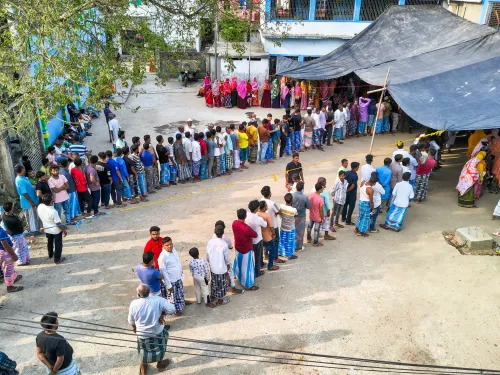
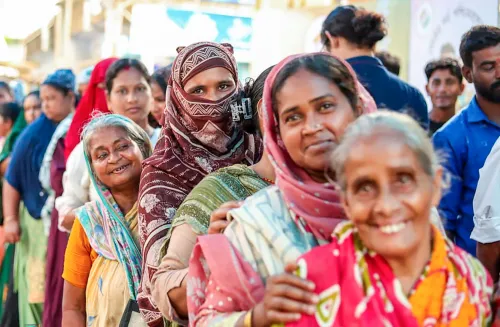
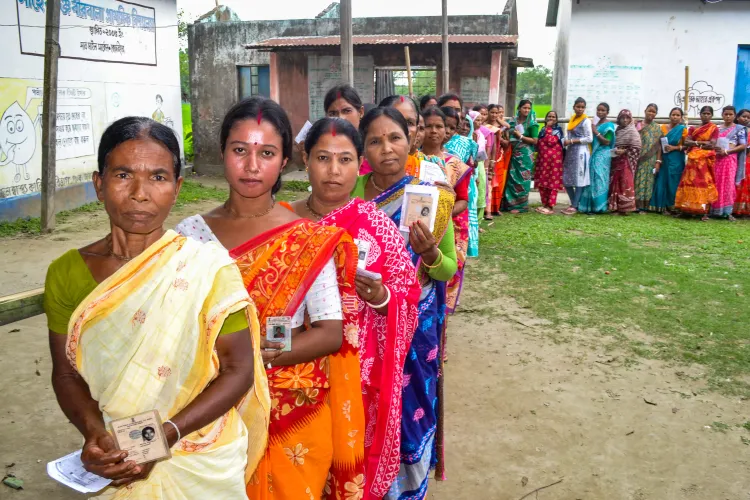
West Bengal scripted electoral history on Thursday, April 23, as the Phase 1 Assembly elections across 152 constituencies in 16 districts recorded a staggering 89.93% voter turnout by 5 PM — shattering every polling benchmark set in the state over the past 15 years. Officials from the West Bengal Chief Electoral Officer (CEO) confirmed the figure, noting that the final tally — expected Friday — could breach the 90% mark.
Record-Breaking Turnout: The Numbers That Stunned Everyone
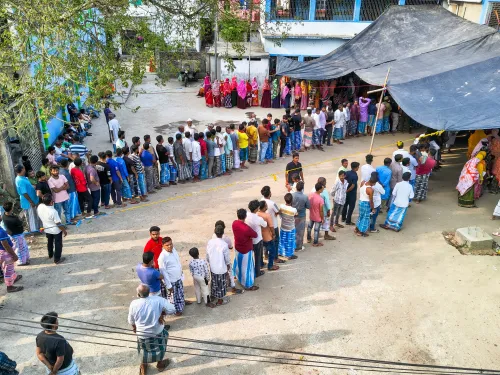
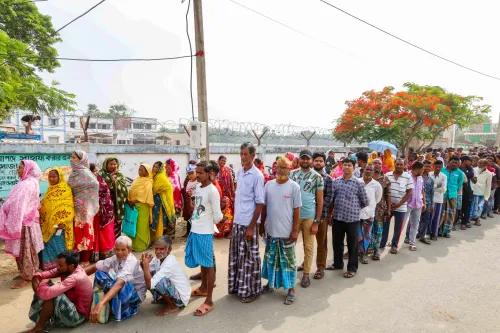
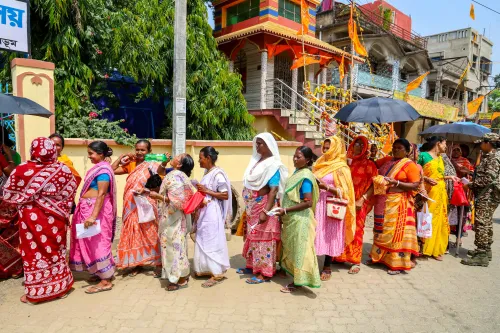
Polling officially concluded at 6 PM, but the milestone had already been crossed a full hour earlier. With voters still queuing at several booths past the deadline, the Office of the West Bengal CEO confirmed it could only provide verified data up to 5 PM, with the final consolidated figure to be announced on Friday, April 24.
The previous high-water mark belonged to the 2011 West Bengal Assembly elections — a six-phase contest that averaged 84.33% turnout and marked the historic end of the 34-year Left Front government and the rise of Mamata Banerjee's Trinamool Congress (TMC). The 2024 Lok Sabha elections in West Bengal had recorded an average turnout of just 79.8%. Both benchmarks were eclipsed by 5 PM on Thursday.
Constituency and District-Wise Highlights
At the constituency level, Samserganj in Murshidabad district led the state with a remarkable 95.34% turnout by 5 PM. Among districts, South Dinajpur topped the chart at 93.12%, while the hill district of Kalimpong recorded the lowest at 81.98% — still a robust figure by national standards.
Notably, the voting process was described as the most peaceful and violence-free since the 2011 Assembly elections, with only scattered, isolated incidents of tension reported across the state.
Political Reactions: BJP Sees Anti-Incumbency Signal
The unprecedented turnout immediately triggered political interpretation. Bharatiya Janata Party (BJP) leadership expressed elation, framing the high participation as a direct expression of anti-incumbency against the 15-year Trinamool Congress government led by Chief Minister Mamata Banerjee.
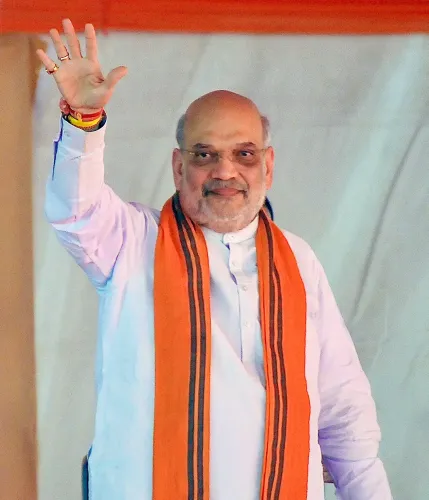
Prime Minister Narendra Modi, addressing two campaign rallies in West Bengal on Thursday ahead of the Phase 2 polls scheduled for April 29, explicitly described the record voter turnout as a signal of the electorate's desire for political change in the state.
TMC, on the other hand, has not officially responded to the turnout figures but has historically argued that high participation reflects public trust in the state government's welfare programmes.
Deeper Context: What This Turnout Really Signals
This is not merely a statistical record — it is a politically loaded data point. West Bengal's electoral history shows that spikes in voter turnout often precede regime changes. The 2011 elections, which ended the Left Front's three-decade stranglehold, saw the highest turnout until now. The parallel is not lost on political analysts.
Critics argue, however, that raw turnout figures alone cannot determine electoral outcomes in a state where booth-level management, voter mobilisation machinery, and identity-based voting blocs play decisive roles. The TMC's grassroots network remains formidable, and high turnout could equally reflect TMC's own mobilisation success in its strongholds.
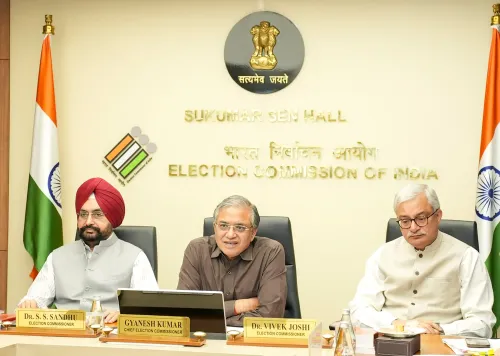
What makes this election cycle unique is the backdrop: post-2021 post-poll violence allegations, ongoing Supreme Court scrutiny of Bengal's law and order, and the BJP's aggressive expansion strategy in the state — all converging in a single electoral moment. The Election Commission of India deploying central forces across booths may also have encouraged voters who previously feared intimidation to step out.
What Comes Next
The final Phase 1 turnout figure will be officially declared by the West Bengal CEO's office on Friday, April 24. All eyes will then shift to Phase 2 voting on April 29, where Prime Minister Modi's rallies are expected to keep momentum high for the BJP. The election results, when announced, will be closely analysed against this historic turnout to determine whether high participation translated into a mandate for change or consolidation of the incumbent.
Point of View
When a fed-up electorate dismantled 34 years of Left rule in a single election cycle. The BJP is right to be excited, but they should be cautious: high turnout in Bengal has historically benefited whichever party has superior ground mobilisation, and TMC's booth-level machinery is battle-tested. The real story isn't who's celebrating today — it's whether this turnout is driven by aspiration or anger, and that answer will only come on results day.
NationPress
6 Oct 2026
Frequently Asked Questions
What was the voter turnout in West Bengal Phase 1 Assembly elections 2025?
The voter turnout in West Bengal Phase 1 Assembly elections reached 89.93% by 5 PM on April 23 , the highest in 15 years. The final figure, expected on April 24, is likely to cross 90%.
Which constituency recorded the highest turnout in Bengal Phase 1 polls?
Samserganj constituency in Murshidabad district recorded the highest turnout at 95.34% by 5 PM. At the district level, South Dinajpur led with 93.12% .
How does Bengal's 2025 Phase 1 turnout compare to previous elections?
The 2025 Phase 1 turnout of 89.93% surpasses the previous 15-year high of 84.33% set during the 2011 Assembly elections and the 79.8% average recorded in the 2024 Lok Sabha elections in West Bengal.
What is the political significance of the high voter turnout in Bengal?
The BJP claims the record turnout reflects strong anti-incumbency against the 15-year Trinamool Congress government . Prime Minister Modi described it as a signal of political change, while analysts note high turnout in Bengal has historically preceded regime shifts.
When will the final Phase 1 voter turnout be announced in West Bengal?
The West Bengal Chief Electoral Officer's office is expected to release the final Phase 1 voter turnout figure on Friday, April 24 . The figure is anticipated to exceed 90% .