Mamata Claims TMC Victory After Bengal's 90% Voter Turnout

Synopsis
West Bengal's first-phase polling shattered records with nearly 90% voter turnout across 152 constituencies. CM Mamata Banerjee immediately claimed victory, saying the numbers confirm TMC's win. Party spokesperson Kunal Ghosh projected 125–134 seats for TMC from Phase 1 alone — a bold forecast that sets the stage for a high-voltage Phase 2 on April 29.
Key Takeaways
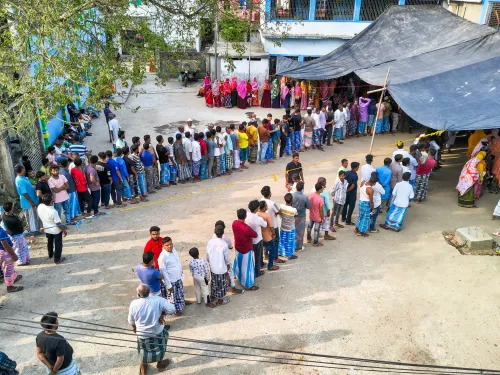
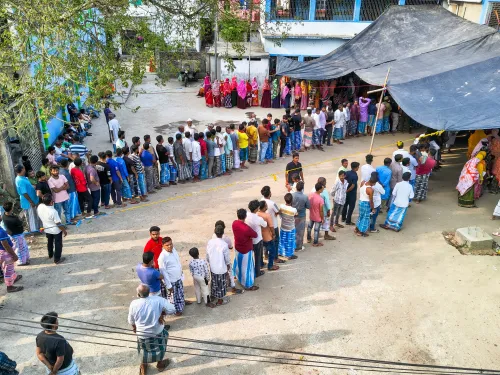
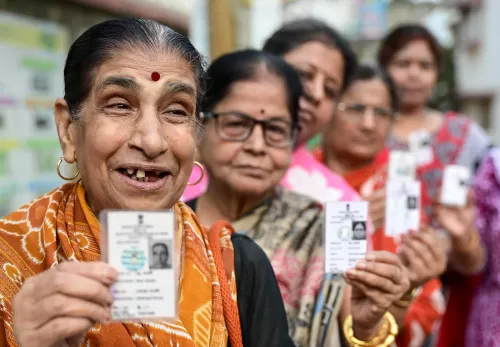
89.93% voter turnout was recorded till 5 p.m. during Phase 1 of the West Bengal Assembly elections on April 23 , covering 152 constituencies .
Chief Minister Mamata Banerjee declared at a rally in Bowbazar, Kolkata that Trinamool Congress is already in a position to win the election based on the turnout.
TMC spokesperson Kunal Ghosh projected the party would win between 125 and 134 seats out of 152 from Phase 1 alone.
Mamata Banerjee alleged that BJP would implement CAA and NRC if it wins, and said this fear drove record voter participation.
Phase 2 voting is scheduled for April 29 , with the final vote count on May 4 .
Banerjee stated she has no personal interest in any post and her primary goal is ending the BJP government at the Centre .
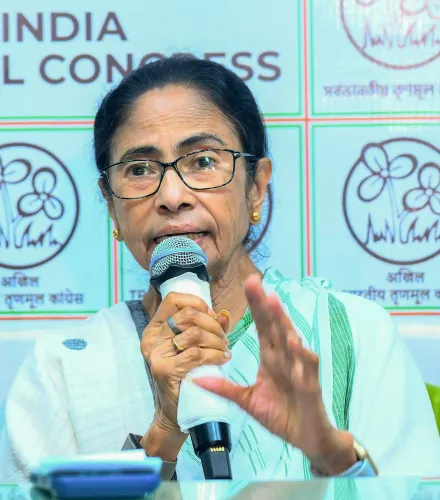
Kolkata, April 23: A historic 89.93 per cent voter turnout in the first phase of West Bengal Assembly elections on Thursday, April 23, has prompted Chief Minister Mamata Banerjee to declare that Trinamool Congress (TMC) is already on course to win the polls. Speaking at an election rally in the Bowbazar area under the Chowrangee Assembly constituency in Kolkata, Banerjee said the massive turnout was a direct endorsement of her party's governance and a resounding rejection of the Bharatiya Janata Party (BJP).
Mamata Banerjee's Bold Victory Claim
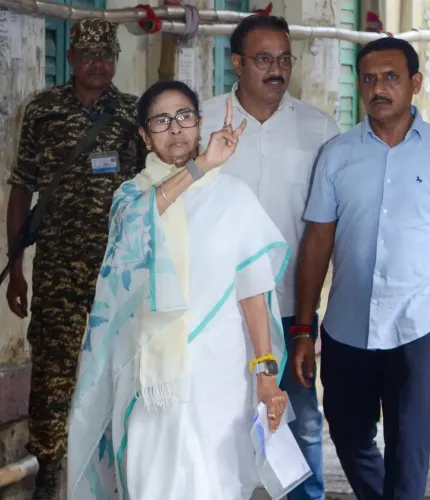
Chief Minister Banerjee did not hold back in her assessment of the day's voting. "If my eyes are right, given the voting that took place today, I would say that we have already moved to a place where we can win," she told supporters at the rally.
She framed the election as a battle for the fundamental rights of Bengal's citizens, stating, "Do you know why so many votes were cast? This election is a fight to protect people's rights — that's why people voted in such large numbers."
The TMC supremo also issued a sharp warning about the consequences of a BJP victory, alleging that the party would implement the Citizenship Amendment Act (CAA) and the National Register of Citizens (NRC) if it came to power — a charge that has been a central campaign plank for Trinamool Congress throughout the election cycle.
Record First-Phase Polling Across 152 Seats
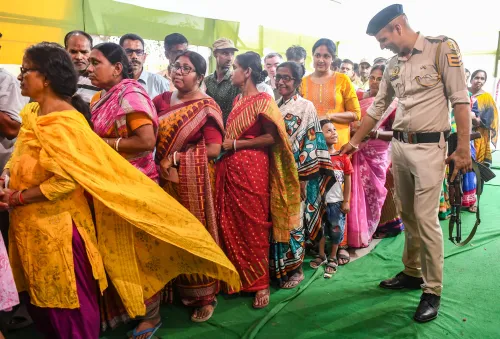
Voting was held across 152 of the 294 Assembly constituencies in the first phase, with an official turnout of 89.93 per cent recorded till 5 p.m. on polling day. This figure is widely considered exceptional by national standards and reflects the intense political mobilisation in the state.
The second phase of polling is scheduled for April 29, while the counting of votes will take place on May 4. The outcome of this election is being watched closely as a bellwether for the balance of power between TMC and BJP in eastern India.
TMC Predicts 125–134 Seats in Phase 1 Alone
Kunal Ghosh, TMC candidate from Beleghata constituency and party spokesperson, made a sweeping projection following the close of polling. He said Trinamool Congress is set to win a minimum of 125 seats from the first phase, with that number potentially rising to 132–134 out of 152 constituencies.
"The BJP is trying to misread the massive voter turnout. This is not a vote for change, but an endorsement of Mamata Banerjee's governance. The people of Bengal have broken the BJP's backbone in the very first phase of polling," Ghosh said.
The CAA-NRC Factor and Political Stakes
The CAA and NRC debate has been a defining fault line in West Bengal politics since the laws were enacted and proposed respectively at the national level. Bengal, with its large minority population and proximity to Bangladesh, has seen particularly charged reactions to these policies.
Banerjee has consistently positioned herself as the shield against these measures, and her messaging appears to have resonated with a significant section of the electorate. The record turnout, while not exclusively attributable to any single issue, suggests deep civic engagement driven by perceived high stakes.
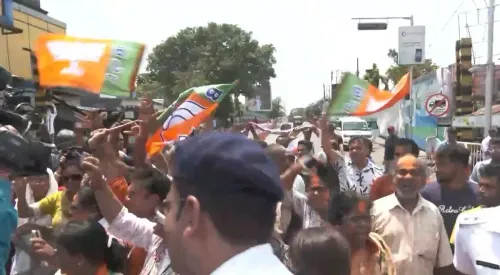
Notably, BJP has countered that the high turnout reflects voter desire for change and a rejection of TMC's decade-long rule, which opposition parties have criticised over allegations of political violence, corruption, and administrative misuse.
What Comes Next: Phase 2 and the Road to May 4
With Phase 1 concluded, political energies are now shifting toward the April 29 second phase, which covers the remaining constituencies. Both TMC and BJP are expected to intensify campaign activity, with national leaders from both parties likely to hold high-profile rallies.
Chief Minister Banerjee also made clear that her personal ambition extends beyond Bengal: "I am not interested in any post; I only want the end of the BJP government at the Centre," signalling her broader national political aspirations beyond the state election outcome.
The final verdict on May 4 will determine not just who governs West Bengal for the next five years, but could significantly reshape the national opposition landscape ahead of future general elections.
Point of View
Where elections have historically been marred by booth capturing, political intimidation, and violence, it carries even greater weight. Mamata Banerjee's swift victory claim is politically calculated: by framing the turnout as a mandate before a single vote is counted, she shapes the narrative and demoralises opponents. However, the BJP's counter-narrative — that high turnout reflects anti-incumbency against a decade of TMC rule — is equally plausible and cannot be dismissed. The real story here is not who wins on May 4, but whether Bengal's democratic institutions can deliver a credible, violence-free verdict that reflects the will of those millions who braved long queues to vote.
NationPress
26 Sept 2026
Frequently Asked Questions
What was the voter turnout in West Bengal's first phase of Assembly elections?
The voter turnout in West Bengal's first phase of Assembly elections was 89.93 per cent as recorded till 5 p.m. on April 23 . Polling was held across 152 of the 294 Assembly constituencies in this phase.
What did Mamata Banerjee say about the high voter turnout in Bengal?
Chief Minister Mamata Banerjee said the record turnout indicates that Trinamool Congress is already in a position to win the election. She attributed the massive polling to voters wanting to protect their rights against a potential BJP government implementing CAA and NRC .
How many seats is TMC predicted to win in Phase 1 of the Bengal election?
TMC spokesperson Kunal Ghosh projected that the party would win a minimum of 125 seats , potentially rising to 132–134 seats , out of the 152 constituencies that voted in Phase 1. This projection was made based on the high voter turnout observed on polling day.
When is Phase 2 of the West Bengal Assembly election and when will votes be counted?
The second phase of West Bengal Assembly elections is scheduled for April 29 . The counting of votes for all phases will be held on May 4 .
Why did Mamata Banerjee say people voted in large numbers in Bengal?
Mamata Banerjee claimed that people voted in large numbers to protect their rights, specifically fearing that a BJP victory would lead to the implementation of the Citizenship Amendment Act (CAA) and the National Register of Citizens (NRC) in West Bengal .