Bengal Voter Turnout 78.77%, Tamil Nadu Hits 70% by 3 PM
Synopsis
West Bengal recorded a massive 78.77% voter turnout and Tamil Nadu hit 70% by 3 PM on April 23, as millions exercised their franchise across 152 Bengal constituencies and all 234 Tamil Nadu seats. With vote counting on May 4, these high-participation figures signal intense political battles ahead.
Key Takeaways
West Bengal recorded 78.77% voter turnout by 3 p.m. on April 23 in the first phase of assembly elections.
Tamil Nadu registered 70% voter turnout by 3 p.m. across all 234 constituencies with over 5.73 crore eligible voters .
Phase 1 in Bengal covered 152 constituencies across 16 districts ; Phase 2 is scheduled for April 29 covering 142 seats .
A total of 635 complaints were filed with the ECI by 11 a.m. , including 375 via the C-Vigil app .
Tamil Nadu's contest is a four-way battle involving DMK, AIADMK, NTK, and TVK alliances with 4,023 candidates .
Vote counting for both states is set for May 4, 2025 .
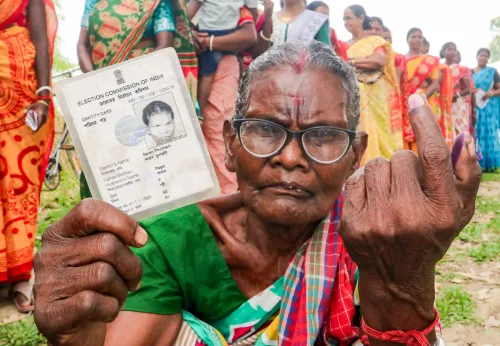
West Bengal and Tamil Nadu recorded strong voter turnout figures on Thursday, April 23, with the Election Commission of India (ECI) reporting 78.77 per cent polling in Bengal and 70 per cent in Tamil Nadu as of 3 p.m. The robust participation signals high public enthusiasm across both states in what are considered pivotal assembly elections.
West Bengal Phase 1 Polling: Key Developments
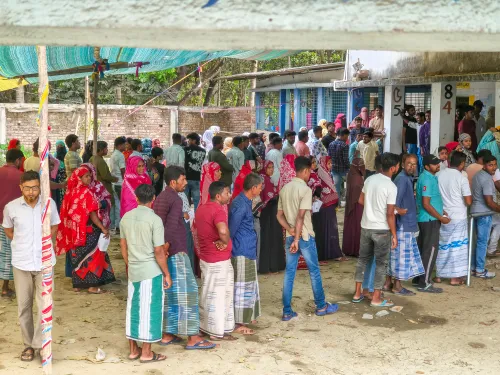
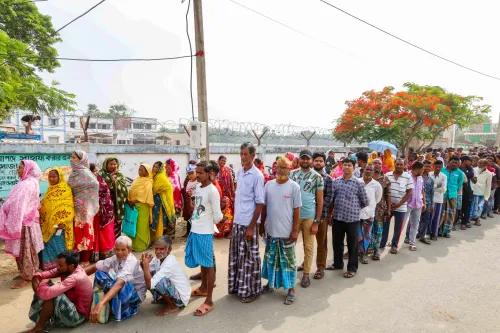
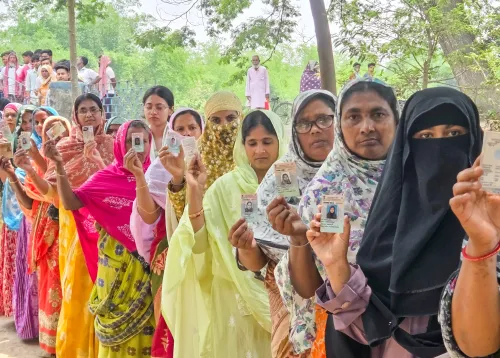
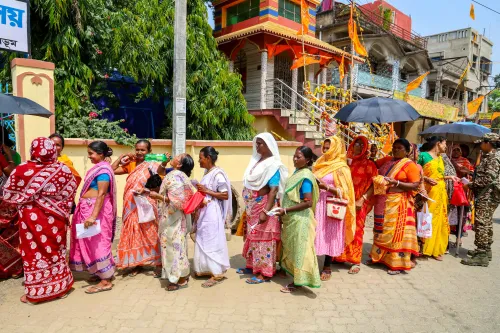
Voting commenced at 7 a.m. across 152 assembly constituencies spread over 16 districts of West Bengal in the first phase of the two-phase election. Long queues were visible outside polling booths throughout the day, reflecting strong democratic participation.
The 16 districts covered in Phase 1 include Cooch Behar, Darjeeling, Kalimpong, Jalpaiguri, Alipurduar, North Dinajpur, South Dinajpur, and Malda in North Bengal, along with Murshidabad, East Midnapore, West Midnapore, Jhargram, Purulia, Bankura, West Burdwan, and Birbhum in South Bengal.
The second phase of polling in West Bengal will cover the remaining 142 assembly constituencies and is scheduled for April 29.
Complaints Registered With ECI During Phase 1
A total of 635 complaints were registered with the Election Commission of India by 11 a.m. in connection with the first phase of polling. Of these, 260 complaints were submitted physically to the office of the Chief Electoral Officer (CEO), while 375 complaints were filed through the C-Vigil app.
The complaints underscore the active monitoring by citizens and political parties during the high-stakes election process. Authorities have been on alert to ensure free and fair polling across all constituencies.
Tamil Nadu: 234 Constituencies Go to Polls
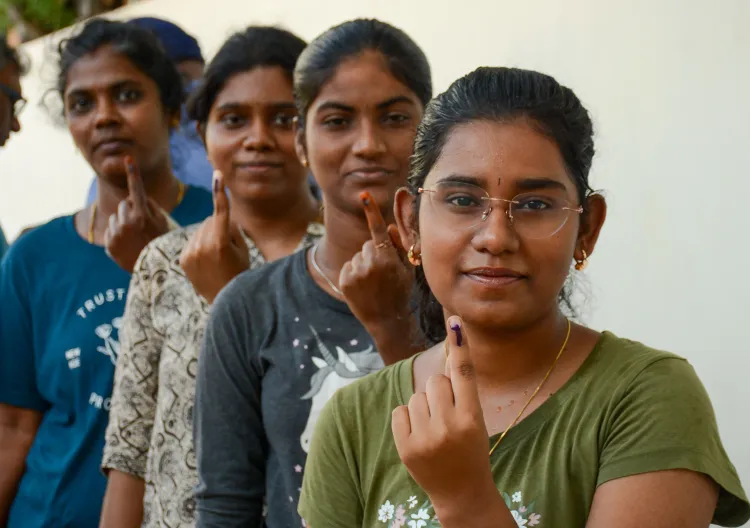
In Tamil Nadu, voting began simultaneously at 7 a.m. across all 234 assembly constituencies, with over 5.73 crore eligible voters casting their ballots to decide the fate of 4,023 candidates. The election is being described as a fiercely contested four-cornered battle.
The principal alliances in the fray include the DMK-led Secular Progressive Alliance, the AIADMK-led National Democratic Alliance, the Naam Tamilar Katchi (NTK), and the Tamilaga Vettri Kazhagam (TVK). The multi-party contest makes this one of the most competitive Tamil Nadu elections in recent memory.
Voters were seen lining up in large numbers at polling booths from early morning, reflecting widespread public intent to participate in the democratic exercise.
What's at Stake: Political Significance
Both elections carry enormous political weight — Tamil Nadu is a major southern state with significant economic and cultural influence, while West Bengal has historically been a battleground for competing ideological forces. The outcomes will shape regional governance and national political narratives.
Political parties across both states are closely tracking real-time polling trends to anticipate electoral outcomes and adjust ground-level strategies accordingly.
The counting of votes for both states is scheduled for May 4, when the final electoral verdicts will determine the composition of the next governments in Tamil Nadu and West Bengal. All eyes will be on key constituencies as results unfold.
Point of View
The outcomes on May 4 will have significant implications not just for state governance but for the broader national political landscape ahead of future electoral cycles.
NationPress
26 Sept 2026
Frequently Asked Questions
What was the voter turnout in West Bengal and Tamil Nadu on April 23?
As of 3 p.m. on April 23, West Bengal recorded a voter turnout of 78.77 per cent and Tamil Nadu stood at 70 per cent, according to the Election Commission of India. Both figures reflect strong public participation in the assembly elections.
How many constituencies voted in West Bengal Phase 1?
A total of 152 assembly constituencies across 16 districts of West Bengal participated in the Phase 1 polling on April 23. The second phase covering 142 constituencies is scheduled for April 29.
When will votes be counted for Tamil Nadu and West Bengal elections?
The counting of votes for both Tamil Nadu and West Bengal assembly elections is scheduled for May 4. The results will determine the next governments in both states.
How many complaints were filed during West Bengal Phase 1 polling?
A total of 635 complaints were registered with the Election Commission of India by 11 a.m. during Phase 1 polling in West Bengal. Of these, 260 were submitted physically and 375 through the C-Vigil app.
Which alliances are contesting the Tamil Nadu assembly elections 2025?
The Tamil Nadu elections feature a four-cornered contest involving the DMK-led Secular Progressive Alliance, the AIADMK-led National Democratic Alliance, Naam Tamilar Katchi (NTK), and Tamilaga Vettri Kazhagam (TVK). Over 4,023 candidates are competing across 234 constituencies.