Punjab Police hits Day 620 of Yudh Nashian Virudh, arrests cross 92,170
Synopsis
On its 620th day, Punjab's Yudh Nashian Virudh campaign logged 683g heroin seized, 500 intoxicant pills recovered, ₹3,300 drug money confiscated, and 16 persons persuaded into rehabilitation — pushing total smuggler arrests to 92,170 since the 2022 launch.
Key Takeaways
Day 620 of the Yudh Nashian Virudh anti-drug drive was completed on 12 November 2026 .
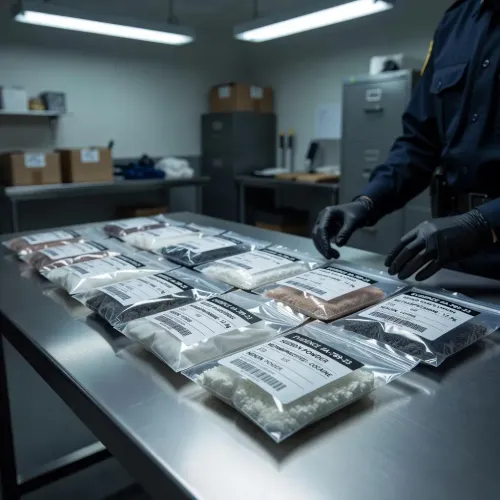
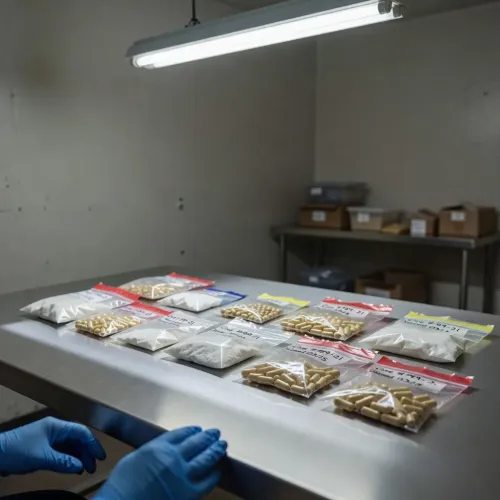
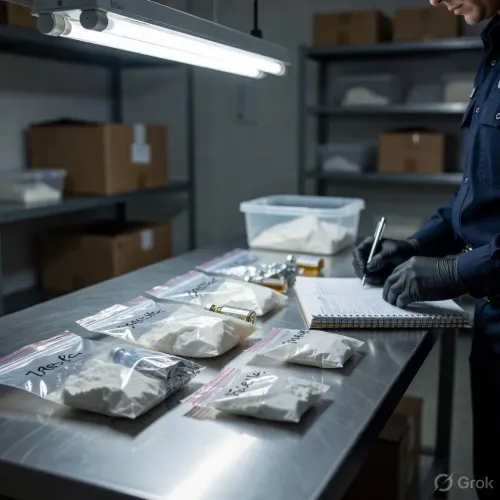
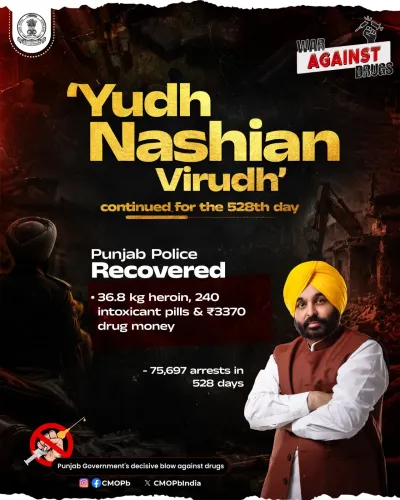
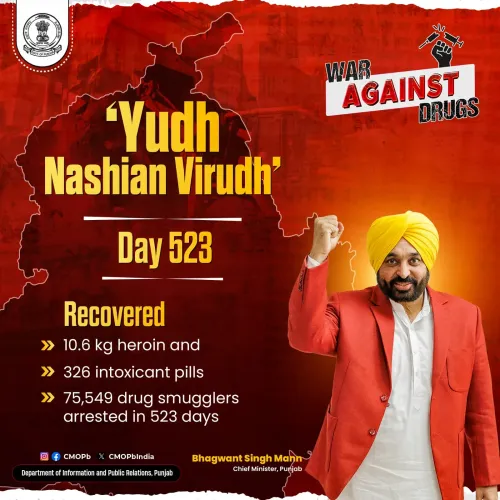
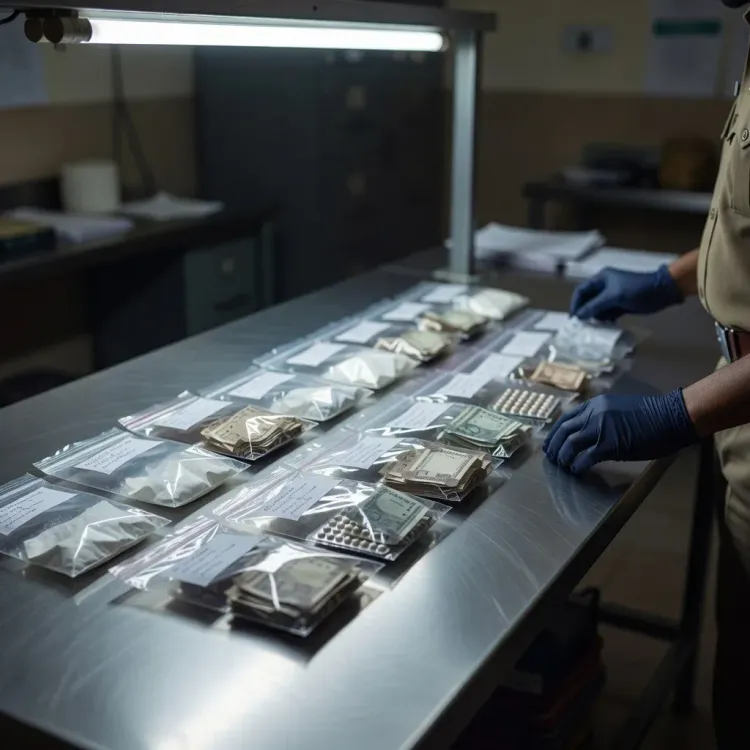
Punjab Police seized 683 grams of heroin and 500 intoxicant pills , and recovered ₹3,300 in drug money in a single day.
Cumulative arrests since the campaign launched in 2022 have reached 92,170 drug smugglers .
16 persons were convinced to voluntarily enter de-addiction and rehabilitation treatment on Day 620.
The campaign combines punitive enforcement with outreach, with Punjab Police officers doubling as rehabilitation persuaders.
Chief Minister Bhagwant Mann 's AAP government initiated the drive to address Punjab's deep-rooted narcotics trafficking problem.
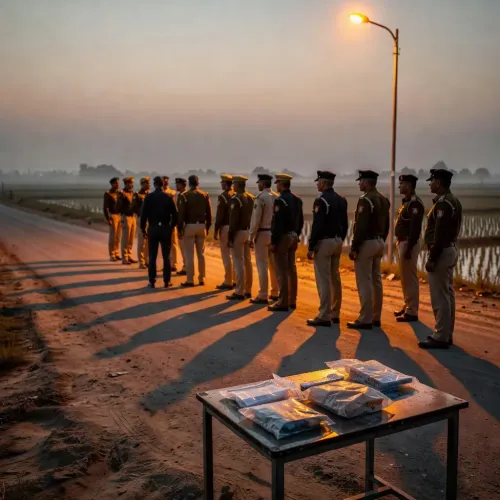
Six hundred and twenty days. No pause, no reset — just another morning of raids, arrests, and quiet conversations in rehabilitation centres across Punjab. The Chief Minister's Office of Punjab announced on Thursday, 12 November 2026 that the state's flagship anti-drug campaign, Yudh Nashian Virudh ('War Against Drugs'), completed its 620th consecutive day of operations, with Punjab Police seizing 683 grams of heroin, 500 intoxicant pills, and ₹3,300 in drug money — pushing the cumulative arrest count to 92,170 drug smugglers since the drive began.
What Day 620's numbers reveal
The day's haul was precise, granular, and emblematic of a campaign that has built its credibility on daily public accounting. Beyond the contraband, Punjab Police said it convinced 16 persons to voluntarily undergo de-addiction and rehabilitation treatment — a figure that, multiplied across 620 days, points to an outreach effort running in parallel with enforcement.
The dual-track approach — arrest the supplier, rehabilitate the user — has been the defining architecture of Yudh Nashian Virudh since it was launched by the Aam Aadmi Party government under Chief Minister Bhagwant Mann in 2022. The campaign's premise: policing alone does not break the drug chain if demand is left untreated.
Punjab's long war with narcotics — and why daily updates matter
Punjab's proximity to the Golden Crescent trafficking corridor — spanning Afghanistan, Pakistan, and Iran — has made it one of India's most narcotics-exposed states for decades. Multiple state governments, across party lines, have launched enforcement drives, but the sustained 620-day streak of daily operational disclosures is an administrative choice that signals accountability as much as action.
The public reporting rhythm matters: each daily bulletin keeps pressure on field units, signals to smuggling networks that operations are not seasonal, and builds a data trail that future policy decisions can be anchored to. With the cumulative arrest tally now past 92,000, the dataset is large enough to start revealing patterns in trafficking routes and the demographics of those entering rehabilitation.
Rehabilitation as the campaign's second front
The 16 persons persuaded into de-addiction on Day 620 represent a quieter, harder win than any seizure. Punjab Police teams — not social workers, not NGOs, but uniformed officers — are being deployed as first-contact persuaders, knocking on doors and convincing users to enter treatment voluntarily. This blurring of enforcement and outreach is an operational experiment worth watching, particularly as the state weighs expanding rehabilitation infrastructure to handle increased referral volumes generated by the campaign.
What comes next is the stress-test: whether rehabilitation beds, counsellors, and after-care networks can scale at the pace the arrests are creating demand.
Point of View
000, the campaign now faces a credibility pivot — the question shifts from 'are arrests happening?' to 'is Punjab's drug crisis actually shrinking?' The answer to that harder question will define the drive's legacy far more than any single day's seizure figures.
NationPress
12 Nov 2026
Frequently Asked Questions
What is Yudh Nashian Virudh?
'Yudh Nashian Virudh' means 'War Against Drugs' in Punjabi. It is an anti-narcotics campaign launched by the Punjab government under Chief Minister Bhagwant Mann in 2022, combining daily enforcement raids on drug smugglers with outreach to convince users to enter de-addiction and rehabilitation treatment.
How many drug smugglers have been arrested in Punjab's anti-drug drive?
As of Day 620 of the campaign on 12 November 2026, the total number of drug smugglers arrested under Yudh Nashian Virudh has reached 92,170.
What drugs were seized by Punjab Police on Day 620?
On the 620th day of the drive, Punjab Police recovered 683 grams of heroin, 500 intoxicant pills, and ₹3,300 in drug money.
What is Punjab Police's role in de-addiction under this campaign?
Punjab Police teams actively persuade drug users to voluntarily enter rehabilitation treatment as part of the campaign. On Day 620, officers convinced 16 persons to undergo de-addiction and rehabilitation.
When did the Yudh Nashian Virudh campaign start?
The Yudh Nashian Virudh campaign was launched in 2022 by the Aam Aadmi Party government in Punjab led by Chief Minister Bhagwant Mann, and has run continuously for over 620 days.