Historic 92.6% Turnout in Bengal: BJP Calls It Vote for Change
Synopsis
West Bengal shattered all records with a 92.6% voter turnout in Phase 1 of its Assembly elections — the highest ever for any first phase in Indian electoral history — while Tamil Nadu crossed 85%, prompting BJP leaders to declare both figures as unmistakable signals of public anger against incumbent governments.
Key Takeaways
West Bengal Phase 1 recorded a 92.6% voter turnout — the highest ever for any first phase in any Indian state since Independence.
Approximately 92.9% of 3.6 crore registered voters participated in West Bengal Phase 1 , surpassing the 2021 election figures.
Tamil Nadu logged an all-time high turnout of over 85% across all 234 Assembly constituencies .
Chief Election Commissioner Gyanesh Kumar officially saluted voters of both states, calling it unprecedented participation since Independence.
BJP spokesperson Pratul Shah Deo described West Bengal Phase 1 as one of the most peaceful polling phases in the last 30-40 years .
Phase 2 polling in West Bengal is on April 29 ; vote counting for both states is on May 4, 2025 .
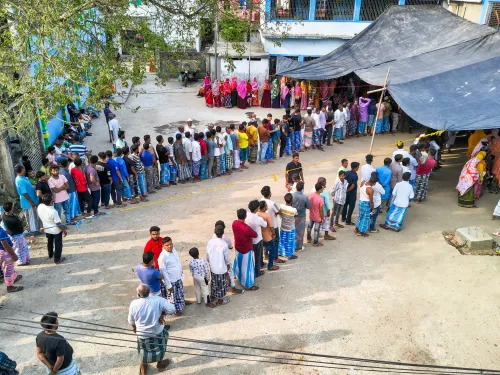
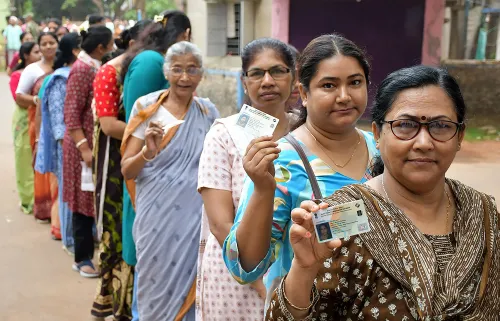
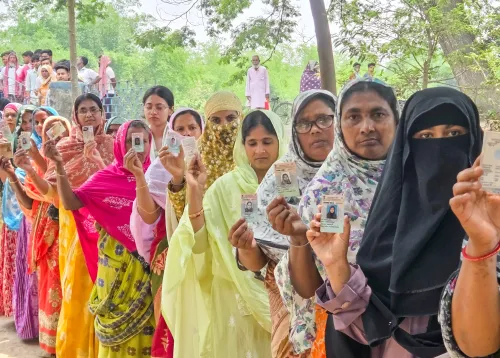
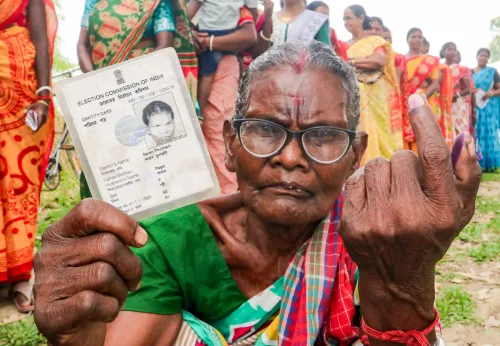
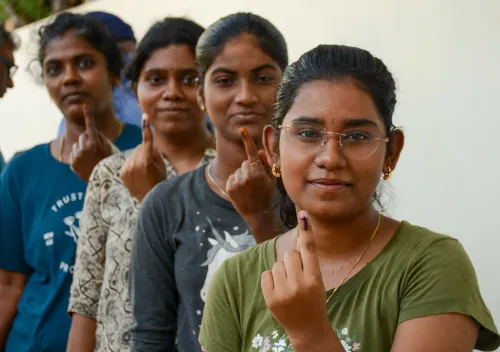
New Delhi, April 24 — A historic voter turnout in West Bengal and Tamil Nadu Assembly elections has sent shockwaves through Indian political circles, with senior BJP leaders declaring it an unambiguous mandate for change. West Bengal recorded a staggering 92.6 per cent turnout in Phase 1 — the highest ever for any first phase across any Indian state — while Tamil Nadu logged an all-time high of over 85 per cent across all 234 Assembly constituencies. The Election Commission of India (ECI) called it unprecedented participation since Independence.
BJP Leaders Read the Turnout as Anti-Incumbency Signal
BJP leader Ram Kripal Yadav, speaking to reporters on Friday, April 24, said the record-breaking figures were a direct reflection of deep public frustration. "Record-breaking voting turnout has been seen in West Bengal and Tamil Nadu, and this reflects a vote for change. People are deeply angry and frustrated with their respective governments. In a democracy, voting is the only means to remove a government, and the public is determined to do so," he stated.
BJP Bihar State President Sanjay Saraogi was more pointed in his assessment, specifically targeting Chief Minister Mamata Banerjee and the Trinamool Congress (TMC). "The anger against Mamata Banerjee and the TMC was reflected at the polling booths. People came out of their homes, resulting in around 92 per cent voter turnout. The public expressed their resentment against Mamata Banerjee and the TMC," he said.
Election Commission Praised for Peaceful Conduct
BJP spokesperson Pratul Shah Deo offered a dual commendation — both to voters and to the poll body. "In West Bengal, more than 92 per cent voting turnout, while Tamil Nadu also saw an all-time high turnout of over 85 per cent," he noted, adding, "This time we specially congratulate Chief Election Commissioner Gyanesh Kumar. The first phase of voting in West Bengal has been conducted peacefully, which is one of the most peaceful phases in the last 30-40 years."
He did flag one incident involving a party candidate who was allegedly attacked and chased, but said the security personnel deserved credit for protecting him. West Bengal BJP candidate Dilip Ghosh echoed the sentiment, saying the Election Commission had made significant improvements and that ordinary voters never seek violence — they simply want to exercise their franchise.
Chief Election Commissioner Gyanesh Kumar confirmed the milestone in an official statement: "Highest ever percentage of polling in West Bengal and Tamil Nadu since Independence — ECI salutes each voter of West Bengal and Tamil Nadu."
What the Numbers Actually Mean
With 92.9 per cent of 3.6 crore registered voters casting their ballots in Phase 1 of the West Bengal Assembly elections, the figure surpasses even the 2021 state elections, which were themselves considered high-turnout polls conducted amid intense political competition between the TMC and BJP. Political analysts note that high turnout in West Bengal has historically correlated with strong anti-incumbency waves — a pattern seen in the 2011 elections when the Left Front's three-decade rule was ended by Mamata Banerjee herself.
Notably, the 2021 West Bengal elections — which the TMC won decisively — also saw elevated turnout, suggesting that high participation alone does not guarantee a change in government. However, the scale of this year's figures, combined with reported peaceful conduct, gives the opposition fresh ammunition to argue the electorate is mobilised against the ruling dispensation.
Tamil Nadu: A Separate Political Context
In Tamil Nadu, voting was held simultaneously across all 234 Assembly constituencies. The 85-plus per cent turnout is being interpreted as voter dissatisfaction with the incumbent DMK government led by Chief Minister M.K. Stalin, though the BJP's own footprint in the state remains limited. The party's narrative here leans more on a general anti-incumbency argument than on direct electoral competition, as the primary contest in Tamil Nadu is between the DMK and the AIADMK-led alliance.
The convergence of record turnouts in two geographically and culturally distinct states on the same polling day is being flagged as a broader national signal — that voters across India are increasingly willing to come out in large numbers when they feel the stakes are high.
What Happens Next
The second phase of polling in West Bengal is scheduled for April 29, covering additional constituencies. Counting of votes for both states is set for May 4, which will deliver the definitive verdict on whether this historic turnout translates into electoral change or reinforces existing power structures. Political observers will closely watch Phase 2 turnout figures to determine whether the momentum holds across the state's diverse regions.
Point of View
And high turnout kept her there in 2021. The BJP's confident anti-incumbency narrative conveniently glosses over this contradiction. What is genuinely significant, however, is the Election Commission's reported success in conducting one of West Bengal's most peaceful first phases in decades — if that holds through Phase 2, it removes the violence variable that has historically distorted results and suppressed opposition votes in the state.
NationPress
13 Oct 2026
Frequently Asked Questions
What was the voter turnout in West Bengal Phase 1 elections 2025?
West Bengal recorded a voter turnout of approximately 92.6 percent in Phase 1 of the 2025 Assembly elections, making it the highest ever for a first phase in any Indian state. Around 92.9 percent of the 3.6 crore registered voters cast their ballots, surpassing even the 2021 state election figures.
What did BJP leaders say about the West Bengal and Tamil Nadu election turnout?
Senior BJP leaders called the record turnout a clear sign of public anger and desire for change against incumbent governments. BJP's Ram Kripal Yadav said people are determined to remove their governments, while Bihar BJP chief Sanjay Saraogi specifically attributed the high turnout to resentment against Mamata Banerjee and the TMC.
When is the counting of votes for West Bengal and Tamil Nadu elections?
Counting of votes for both West Bengal and Tamil Nadu Assembly elections is scheduled for May 4, 2025. The second phase of polling in West Bengal is set for April 29, 2025.
What was Tamil Nadu's voter turnout in the 2025 Assembly elections?
Tamil Nadu recorded an all-time high voter turnout of over 85 percent across all 234 Assembly constituencies in the 2025 state elections. Chief Election Commissioner Gyanesh Kumar confirmed it was the highest ever percentage of polling in Tamil Nadu since Independence.
Did high voter turnout in West Bengal always mean a change in government?
Not necessarily — West Bengal has seen high turnout in both the 2011 elections, which ended the Left Front's 34-year rule, and in 2021, when the TMC won decisively. High participation reflects strong voter mobilisation but does not automatically translate into an anti-incumbency outcome.