Is ECI’s Directive for Burqa-Clad Women Justified?
Synopsis
As the ECI takes steps to ensure dignified voting for burqa-clad women in Bihar, debates around its implications unfold. Sanjay Nishad supports the ECI's independence, while critics raise concerns about fairness. Explore the conflicting viewpoints and the potential impact on electoral integrity.
Key Takeaways
ECI's independence is crucial for maintaining electoral integrity.
Special arrangements aim to support burqa-clad women in voting.
The directive has sparked debate among political parties.
Privacy and dignity for women voters are emphasized.
Critics point to potential bias in the decision-making process.
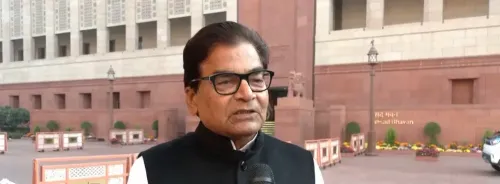
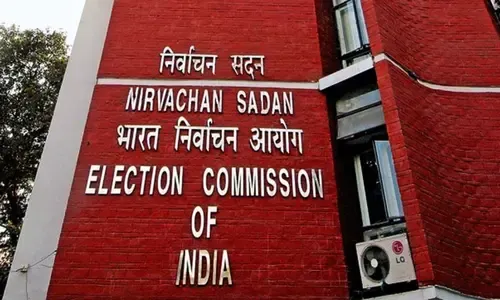
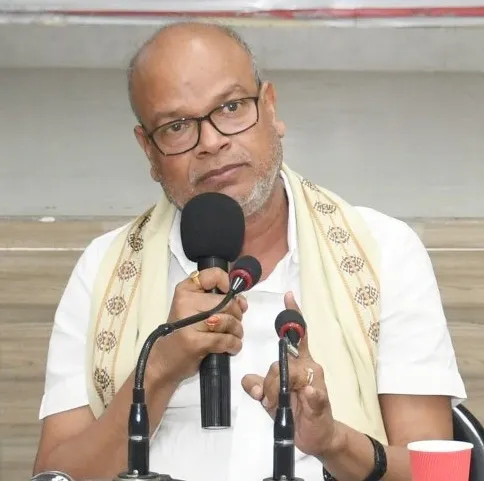
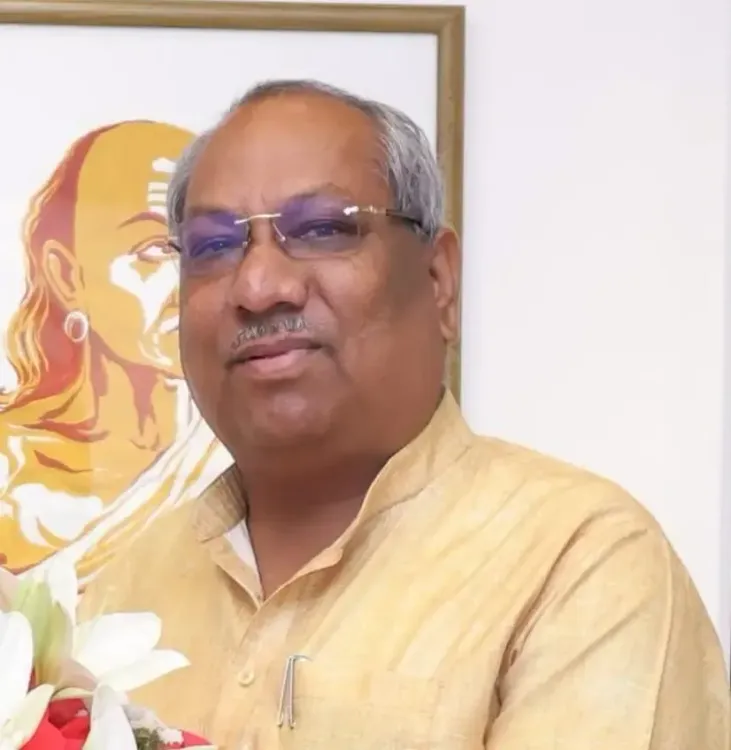
Hardoi, Oct 15 (NationPress) In light of the Election Commission of India’s (ECI) recent announcement to implement special measures at polling stations in Bihar for the dignified identification of women voters wearing burqas, Sanjay Nishad, the leader of the Nishad Party, expressed that the ECI operates as an independent constitutional entity with the full authority to uphold free, fair, and impartial elections in response to any concerns.
Nishad remarked, “In a democracy, the legislature, the executive, and the judiciary represent the three branches, each fulfilling its unique responsibilities. The Constitution establishes a system wherein the Election Commission works autonomously within its constitutional framework. Any issues or irregularities are evaluated through the judiciary. The ECI possesses complete freedom to act in favor of fair elections.”
He continued, “Muslim women deserve the opportunity to advance in life. The ECI’s decision is both correct and appropriate.”
In reaction to the criticisms from the Samajwadi Party regarding the ECI’s directive, Uttar Pradesh Deputy Chief Minister Brajesh Pathak stated, “The Samajwadi Party has consistently opposed the Constitution and the rule of law. I find no issue with the ECI’s decision. The entire state is aware that their statements are driven by appeasement politics.”
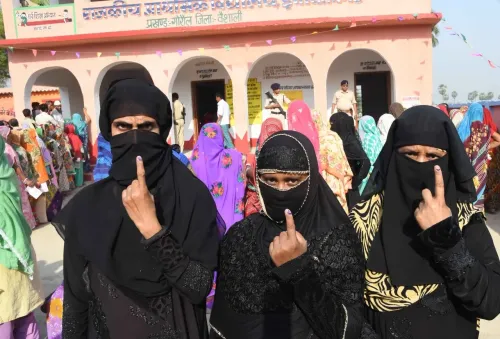
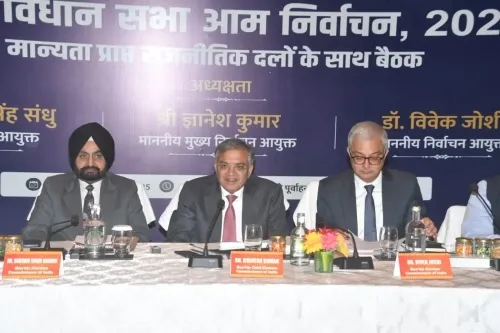
On October 10, the Election Commission revealed plans to facilitate the participation of burqa-clad women by instituting special provisions at polling stations for their dignified identification alongside female polling officers or attendants, ensuring their privacy.
In contrast, the Samajwadi Party has called for the withdrawal of this directive, asserting that it undermines the principles of transparent, free, and fair elections. They referenced the Commission’s own handbook for returning officers (page 143, paragraph 13.6.9), which empowers polling officers to verify voter IDs.
“The new directive raises doubts about the impartiality and transparency of the Election Commission, and appears to target voters from a specific community. It is undemocratic and unconstitutional,” the memorandum claimed.
Point of View
This development reflects a complex interplay of inclusivity and scrutiny within the electoral process. While the ECI's autonomy is vital for fair elections, ensuring that measures do not inadvertently marginalize any voter group is equally critical. The debate surrounding this directive highlights the ongoing struggle for balancing democratic values with the necessity of secure and dignified voting practices.
NationPress
6 Oct 2026
Frequently Asked Questions
What is the ECI's directive regarding burqa-clad women voters?
The ECI has announced special arrangements at polling stations in Bihar to allow for the dignified identification of burqa-clad women voters, ensuring their privacy during the voting process.
What is Sanjay Nishad's stance on the ECI's decision?
Sanjay Nishad supports the ECI's decision, stating that it reflects the body's independence and commitment to fair elections.
How has the Samajwadi Party reacted to the ECI's directive?
The Samajwadi Party has criticized the directive, claiming it undermines free and fair electoral principles and has demanded its withdrawal.