Eight bogus doctors arrested in Surat for running clinics without degrees
Synopsis
Eight people without valid medical degrees had been running clinics in Surat's Pandesara area for years — one for as long as a decade. The crackdown, which used dummy patients for verification, also surfaced a chilling detail: one of those arrested had allegedly treated a 14-year-old boy who later died.
Key Takeaways
Eight people were arrested on 16 September 2026 for allegedly running clinics in Pandesara, Surat without valid medical qualifications.
The joint operation involved the Surat SOG and the district health department, acting on directions from Police Commissioner Wabang Jamir .
Dummy patients were used to verify tip-offs before simultaneous raids were carried out at eight locations .
Medicines, injections, and syrups worth ₹98,825 were seized during the raids.
Accused Parth Debnath is also linked to the death of a 14-year-old boy, Abhishek Singh , who was reportedly treated at his earlier clinic; an accidental death case is under investigation.
The clinics had reportedly been operating for periods ranging from two to ten years before the raids.
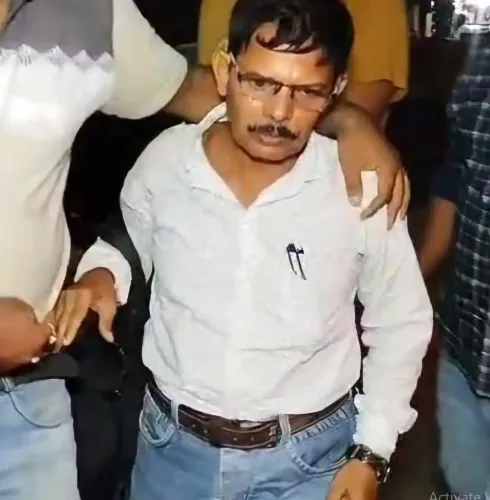
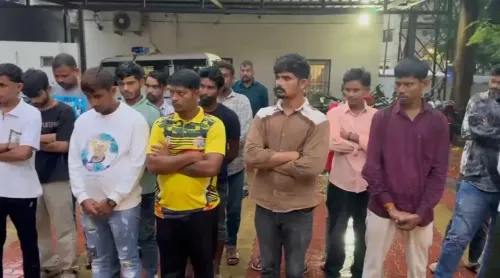
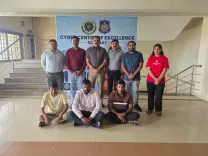
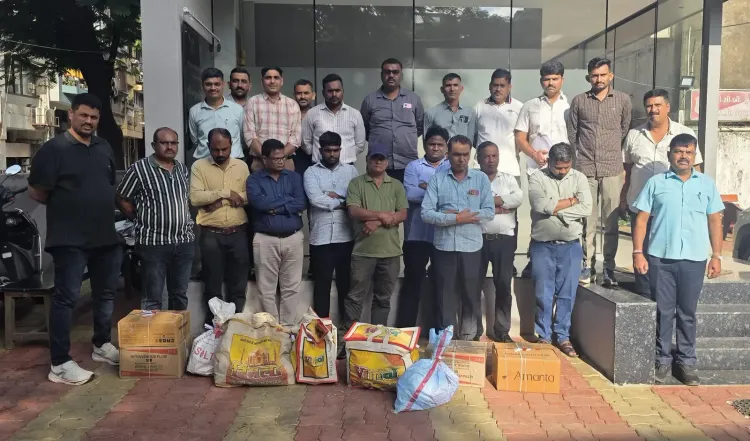
Eight people allegedly practising medicine without valid qualifications were arrested on 16 September 2026 after the Surat city police's Special Operations Group (SOG) and the district health department conducted simultaneous raids on eight clinics in the Pandesara area of Surat, Gujarat. The crackdown came on the directions of Surat Police Commissioner Wabang Jamir and was supervised by Deputy Commissioner of Police Rajdeepsinh Nakum.
How the Operation Was Planned
The SOG received tip-offs about clinics in Pandesara being run by individuals posing as licensed doctors. Head Constable Jagshibhai Shantibhai and Police Constable Devendradan Gambhirdan deployed dummy patients at eight locations to verify the information, which was found to be accurate.
Following this, a joint operation was organised with the district health department. Chief District Health Officer Dr Anil Patel constituted three teams of health officials, while the SOG formed three teams led by Inspector K A Savaliya and Sub-inspectors M D Sarvaiya and M D Hadiya. All eight locations were raided simultaneously.
Who Was Arrested and Their Backgrounds
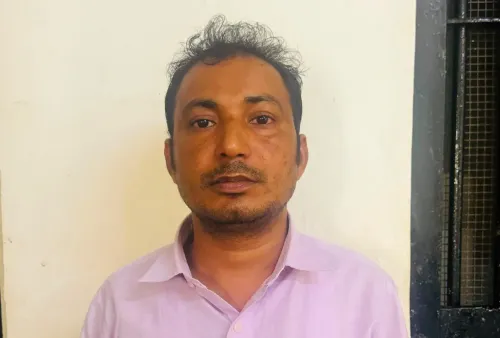
Parth Debnath, 40, was found operating Prince Clinic near Kailash Chowkdi in Ranchhodnagar Society. A Class 12 pass, he had been running the clinic for two years, reportedly citing his father's BHMS qualification as justification for his practice. His brother, Siddharth Debnath, 38, was allegedly running S K Clinic in Ishwarnagar — also a Class 12 pass — for four years, citing the same reasoning, according to police.
Vinodkumar Sahani, 36, was found at Angel Clinic in Shivam Nagar Society on Bamroli Road. He had reportedly practised for three years, having previously worked as an operation-theatre assistant at various hospitals. Manoranjan Biswal, 54, allegedly ran Pragati Clinic in Hariom Nagar Society; police said he held BSc and BAMS credentials but had been running the clinic for two years.
Sajal Biswas, 21 — the youngest of those arrested — was allegedly operating Sai Baba Clinic at Ganesh Complex in Karmayogi Society. A Class 12 pass, he had prior experience as a hospital compounder and had been running the clinic for two years. Vijay Yadav, 55, allegedly ran an unnamed clinic on Gowalk Road in Radheshyam Nagar; police said he was also a Class 12 pass with 15 years of experience as a hospital compounder and had been operating the clinic for five years.
Sandeep Sonawane, 49, allegedly ran a clinic marked 'Dawakhana' in Karmayogi Society. He was described by police as a Class 12 pass with eight years as a hospital compounder in Jalgaon district, Maharashtra, and had been running the clinic for six years. Shyamnarayan Gupta, 53, was allegedly operating Shyam Clinic in Shivam Nagar Society-2 on Bamroli-Gowalk Road. He had reportedly studied BSc, previously worked at a clinic in Varanasi, and had been running the clinic for 10 years.
Medicines Seized, Cases Registered
During the raids, the teams seized medicines, injections, and syrups with a total stated value of ₹98,825. Cases against all eight accused were registered at Pandesara Police Station.
Notably, this is not an isolated instance of quackery in the Pandesara area; the operation's scale — eight simultaneous raids — signals a wider systemic problem in densely populated urban pockets with limited access to formal healthcare.
A Linked Death Under Investigation
Authorities also flagged a separate and deeply troubling case connected to Parth Debnath. According to officials, he had previously operated a dispensary called Swastik Clinic, where he reportedly treated a 14-year-old boy, Abhishek Singh, from Pandesara approximately a month ago. The boy subsequently died, prompting his family to raise allegations against Debnath. An accidental death case was registered at Pandesara Police Station and the matter remains under investigation, police said.
As authorities continue probing the case, the arrests raise urgent questions about the adequacy of health department checks in urban Gujarat and the vulnerability of residents in lower-income localities to unqualified medical practitioners.
Point of View
Suggesting that routine health-department inspections were either absent or ineffective. The use of dummy patients to gather evidence is a workaround that should not have been necessary if basic periodic checks were in place. Most concerning is the death of a 14-year-old child allegedly connected to one of those arrested; if investigation establishes a causal link, the accountability question will extend beyond the accused to the regulators who left the gap open for years. Gujarat's urban periphery, where affordable formal healthcare is scarce, is particularly fertile ground for quacks — a structural issue that arrests alone cannot resolve.
NationPress
17 Sept 2026
Frequently Asked Questions
What happened in the Surat bogus doctors' raid?
The Surat city police's Special Operations Group, together with the district health department, raided eight clinics in the Pandesara area on 16 September 2026 and arrested eight people for allegedly practising medicine without recognised medical qualifications. Medicines worth ₹98,825 were seized and cases were registered at Pandesara Police Station.
Who ordered the raids and how were they conducted?
Surat Police Commissioner Wabang Jamir directed the operation, which was supervised by DCP Rajdeepsinh Nakum. Before the raids, police personnel deployed dummy patients at all eight locations to verify tip-offs, then carried out simultaneous raids with three SOG teams and three health-department teams.
What qualifications did those arrested actually hold?
Most of those arrested were Class 12 pass-outs with experience as hospital compounders or operation-theatre assistants. Two accused — Manoranjan Biswal and Shyamnarayan Gupta — held BSc degrees, and one accused cited a parent's BHMS qualification as justification for running a clinic. None held a recognised medical degree entitling them to independent practice.
Is there a death linked to any of the accused?
Yes. Parth Debnath, one of those arrested, had earlier operated a clinic called Swastik Clinic where he allegedly treated a 14-year-old boy, Abhishek Singh, about a month before the raids. The boy subsequently died, and his family raised allegations. An accidental death case has been registered at Pandesara Police Station and is currently under investigation.
How long had these clinics been operating?
The eight clinics had been operating for periods ranging from two to ten years before the crackdown. Shyamnarayan Gupta's clinic had reportedly been running the longest, for approximately ten years, while several others had been in operation for two to six years.