16 fake doctors held in Surat, one earned ₹40,000 a day for 33 years
Synopsis
A man who studied only up to Class 10 ran clinics for 33 years and reportedly earned ₹40,000 a day — and he was just one of 16 fake doctors arrested in Surat's Pandesara area. With prior cases against three of the accused dating back to 2002, the raid exposes not just quackery but a long-running failure of enforcement in one of Gujarat's most migrant-dense neighbourhoods.
Key Takeaways
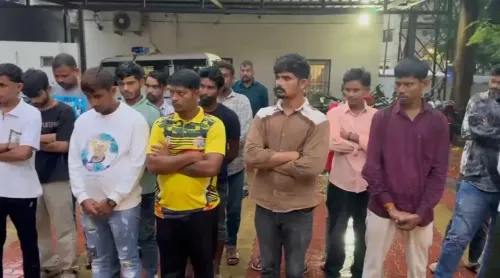
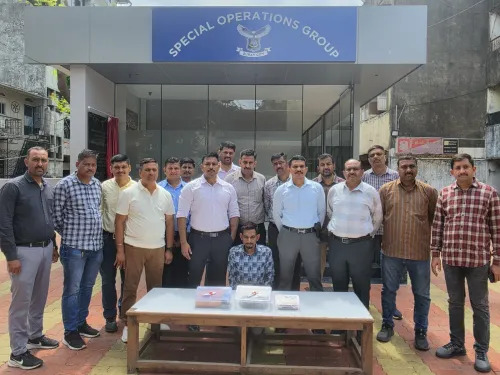
Surat SOG arrested 16 alleged fake doctors from the Pandesara area on 13 October 2026 .
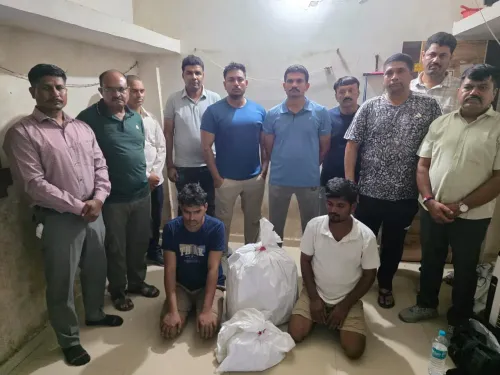
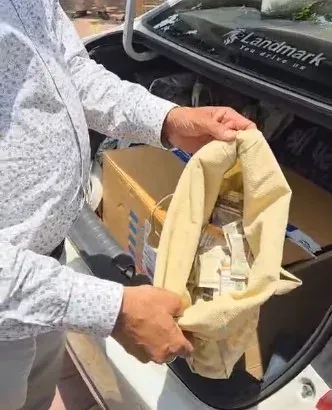
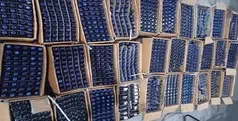
Seized material — medicines, injections, syrups, and equipment — was valued at ₹1,82,444 .
Daily earnings among the accused reportedly ranged from ₹700 to ₹40,000 ; Kapilkumar Verma , 58 , allegedly earned the highest after running clinics for 33 years with only a Class 10 education.
At least three of the accused had prior police cases, the earliest dating to 2002 .
Cases have been registered at Pandesara police station ; action under the Clinical Establishments Act is also expected.
Patients reportedly died following treatment by unqualified practitioners in the area, according to police.
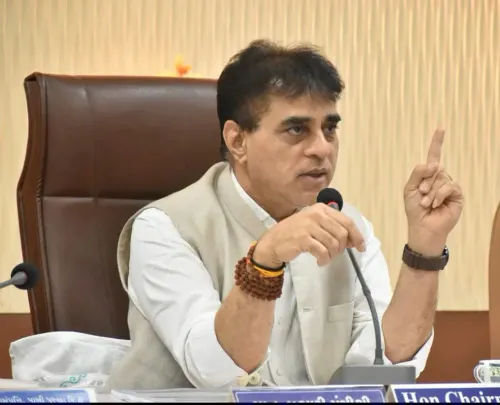
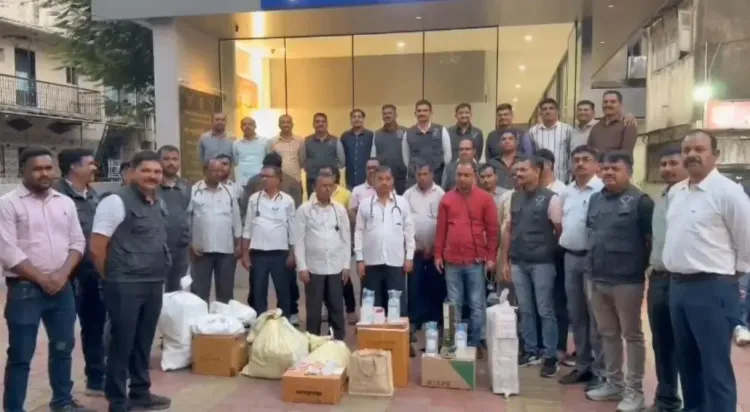
Gujarat's Surat City Special Operations Group (SOG), acting in coordination with the Surat District Health Department, arrested 16 alleged fake doctors running unregistered clinics in the Pandesara area of Surat on Tuesday, 13 October 2026, and seized medicines, injections, syrups, and medical equipment collectively valued at ₹1,82,444. The crackdown came on the direct instructions of Police Commissioner Wabang Jamir, who had ordered citywide raids on clinics allegedly run by individuals without recognised medical qualifications or on the basis of forged degrees.
How the Operation Unfolded
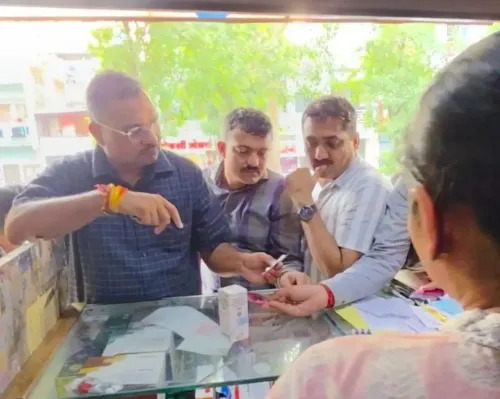
Acting under the supervision of Deputy Commissioner of Police Rajdeepsinh Nakum, SOG teams led by Inspector A.S. Sonara received specific intelligence about clinics operating in Pandesara and deployed dummy patients to verify the allegations. Once the information was confirmed, the SOG coordinated with Chief District Health Officer Dr Anil Patel of the Surat District Panchayat to launch simultaneous raids across the locality. Joint teams comprising health officials and SOG personnel conducted the operation.
Who Was Arrested and What They Were Running
The 16 individuals, aged between 23 and 58, were allegedly operating clinics under names including Bharat Clinic, Sai Dham Clinic, Neer Clinic, Narayan Clinic, Surendra Clinic, Bhakta Radha Clinic, Sai Clinic, Probir Clinic, Navdeep Clinic, Pratima Clinic, Free Sevasadan, Shri Krishna Clinic, and Gurukrupa Clinic. Their educational backgrounds ranged from Class 10 and Class 12 to bachelor's degrees such as BSc and BA — none of which constitute a recognised medical qualification. Several had previously worked as compounders or helpers at hospitals and nursing homes before setting up independent practices.
Officials stated that some of these individuals examined between five and 35 patients daily, with reported daily earnings ranging from ₹700 to ₹40,000. The highest earner was identified as Kapilkumar Verma, 58, the alleged operator of Free Sevasadan, who reportedly studied only up to Class 10 and claimed to have learned medical practice from books. According to the police, he had been running clinics at different locations for 33 years.
Repeat Offenders Among the Accused
The SOG noted that at least three of the arrested individuals had prior police records in the same district. A case against Shiyaram Morya, 54, was registered at Pandesara police station as far back as 2002; a case involving Vinodbhai Biswas Chansi, 58, was registered in 2008; and a separate case had previously been filed against Saddam Bankhan, 31, by the SOG at the same station. The recurrence points to a systemic failure in monitoring and follow-up enforcement after earlier registrations.
Patient Safety Concerns and What Comes Next
According to police, concerns had been raised about patients' lives being endangered by unqualified practitioners, with some individuals reportedly having died following treatment by such persons. This is not an isolated phenomenon — unregistered medical practitioners, particularly in peri-urban and migrant-dense areas, remain a persistent public health risk across several Indian states. Pandesara, a predominantly industrial neighbourhood in Surat with a large migrant workforce, is considered especially vulnerable due to limited access to affordable formal healthcare.
Cases against all 16 accused have been registered at Pandesara police station and legal proceedings have been initiated. Separately, the Surat District Health Department is expected to initiate parallel action under the Clinical Establishments Act. With dual criminal and regulatory proceedings now underway, advocates for healthcare accountability are watching to see whether the enforcement translates into lasting closures or whether, as history suggests, the clinics reopen under different names.
Point of View
But peri-urban, migrant-dense localities like Pandesara clearly fall through its regulatory net. The real question is not how many fake doctors were caught in one morning, but why a Class 10 graduate could run a clinic for 33 years, reportedly earning ₹40,000 a day, without triggering sustained regulatory action. Without a systemic audit of compliance gaps — not just periodic SOG raids — the clinics are likely to reopen under new names.
NationPress
14 Oct 2026
Frequently Asked Questions
How many fake doctors were arrested in Surat and where?
Sixteen alleged fake doctors were arrested by the Surat City SOG in the Pandesara area of Surat, Gujarat, on 13 October 2026. The raids were conducted jointly with the Surat District Health Department on the instructions of Police Commissioner Wabang Jamir.
What qualifications did the arrested individuals actually have?
None of the 16 possessed recognised medical degrees. Their educational backgrounds ranged from Class 10 and Class 12 to bachelor's degrees such as BSc and BA. Several had prior experience as compounders or hospital helpers, which they allegedly used to pass themselves off as qualified practitioners.
Who is Kapilkumar Verma and why is his case notable?
Kapilkumar Verma, 58, is the alleged operator of Free Sevasadan in Pandesara and is reported to have run clinics at various locations for 33 years despite having studied only up to Class 10. Police say he reportedly earned up to ₹40,000 a day — the highest among the 16 accused — and claimed to have learned medicine from books.
What legal action has been taken against the accused?
Cases have been registered against all 16 individuals at Pandesara police station and criminal proceedings have been initiated. Separately, the Surat District Health Department is expected to pursue action under the Clinical Establishments Act.
Were any of the accused previously known to police?
Yes, at least three had prior cases. Shiyaram Morya, 54, had a case registered at Pandesara police station in 2002; Vinodbhai Biswas Chansi, 58, had a case from 2008; and Saddam Bankhan, 31, had a previous case filed by the SOG at the same station. Their continued operation despite earlier brushes with the law has raised serious questions about follow-up enforcement.