Ekta Nagar: 60 lakh trees, 459 EVs power Gujarat's green tourism model
Synopsis
Five years after PM Modi declared Ekta Nagar an EV-only zone, the Statue of Unity hub has planted 60 lakh trees, deployed 459 electric vehicles, and installed a 5.5 MW solar plant — quietly building what officials now call a global template for green tourism in India.
Key Takeaways
Ekta Nagar in Narmada district, Gujarat has been recognised as a global model for green and sustainable tourism on World Environment Day .
Around 60 lakh trees have been planted over five years, including 2.25 lakh Keshuda trees and 2 lakh Krishna Kamal plants .
Approximately 459 electric vehicles operate within the EV-only zone established around the Statue of Unity .
A 5.5 MW solar power plant has been installed, alongside a Miyawaki forest , Valley of Flowers , and Bonsai garden .
The initiative was launched on 5 June 2021 following PM Narendra Modi's call to develop Ekta Nagar as a pollution-free green city.
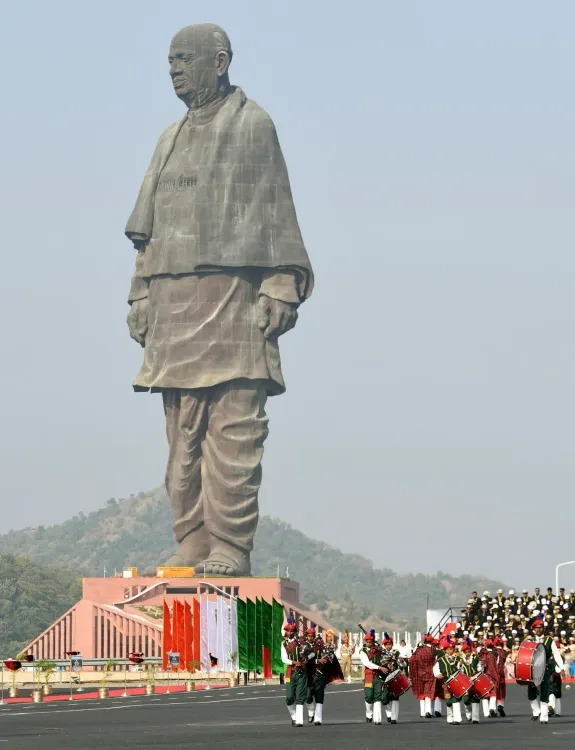
Ekta Nagar, the planned tourism hub built around the Statue of Unity in Narmada district, Gujarat, has emerged as a globally recognised model for green and sustainable tourism — marked on World Environment Day by a stocktake of five years of eco-focused development. The transformation traces back to 5 June 2021, when Prime Minister Narendra Modi called for the area to be developed into a pollution-free, electric-vehicle-only zone.
Five Years of Green Growth
The Statue of Unity Area Development and Tourism Regulatory Authority has worked in what officials describe as 'mission mode' to realise that vision. Over the past five years, approximately 459 electric vehicles have been introduced for tourist mobility within the zone. A solar power plant with a capacity of over 5.5 MW has been installed to meet the area's energy needs sustainably.
The greening drive has delivered significant results on paper: around 60 lakh trees have been planted across the region, comprising 2.25 lakh Keshuda trees, 2 lakh Krishna Kamal plants, 30 trees across various eco-tourism projects, and 15 lakh trees planted along roadsides as part of beautification efforts.
What the Authority Has Built
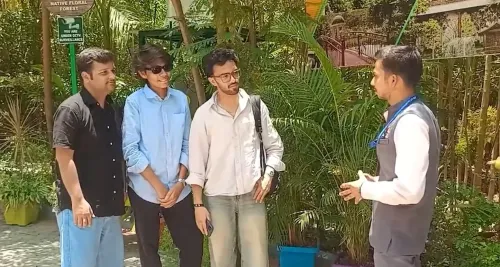
Beyond tree-planting, the Authority has developed a Miyawaki forest, a Valley of Flowers, and a Bonsai garden — all designed to deepen the eco-tourism experience and draw visitors seeking a connection with nature. Roadside beautification has been given special emphasis under the Ekta Nagar Greening Project.
Amit Arora, Chief Executive Officer of the Statue of Unity, said the administration had undertaken numerous initiatives since the Prime Minister's 2021 call to action. 'Our endeavor has been to provide tourists from India and abroad with an experience of green and sustainable tourism, allowing them to connect with nature and enjoy a clean, eco-friendly tourist destination,' Arora said.
EV Zone and Sustainable Infrastructure
The area surrounding the Statue of Unity has been formally developed as an EV-only zone, with electric vehicles introduced by the Narmada Statue of Unity Authority for all internal transit. The 5.5 MW solar installation reduces grid dependence, while the Miyawaki forest — a dense, fast-growing urban forest technique — adds a biodiversity layer that goes beyond ornamental planting.
This comes amid a broader national push to align major tourism corridors with India's net-zero commitments and the government's stated target of 500 GW of renewable energy capacity by 2030.
Global Recognition and What Comes Next
Ekta Nagar has reportedly gained international recognition as a model for 'Green Tourism and Sustainable Development,' according to officials at the Statue of Unity Authority. The Statue of Unity itself remains one of India's highest-footfall tourist sites since its inauguration in 2018.
As the zone matures, attention will turn to whether the EV-only model can be scaled to other high-traffic heritage and nature tourism sites across India — and whether visitor numbers, currently unspecified in official releases, justify the infrastructure investment.
Point of View
Yet the official narrative sidesteps visitor footfall data, carbon accounting, or independent verification of the tree-survival rate, which is the standard weak point of large-scale plantation drives in India. The EV-only zone is genuinely progressive for a high-traffic tourist site, but scaling it required a captive geography that most heritage corridors do not enjoy. The deeper question is whether this model is replicable or whether it is a showcase enabled by the Statue of Unity's unique political salience and funding access — something the government's own rollout plan for other sites will eventually have to answer.
NationPress
21 Oct 2026
Frequently Asked Questions
What is Ekta Nagar's green tourism model?
Ekta Nagar is a planned tourism zone around the Statue of Unity in Narmada district, Gujarat, developed as an EV-only, eco-friendly destination. Over five years it has planted 60 lakh trees, deployed 459 electric vehicles, and installed a 5.5 MW solar plant, earning recognition as a global model for sustainable tourism.
When did the Ekta Nagar green initiative begin?
The initiative was formally launched on 5 June 2021, when PM Narendra Modi called for Ekta Nagar to be developed into a pollution-free green city. The Statue of Unity Area Development and Tourism Regulatory Authority has been implementing it in mission mode since then.
How many trees have been planted at Ekta Nagar?
Around 60 lakh trees have been planted, including 2.25 lakh Keshuda trees, 2 lakh Krishna Kamal plants, 15 lakh roadside trees, and 30 trees across various eco-tourism projects such as the Miyawaki forest and Valley of Flowers.
What makes Ekta Nagar an EV zone?
All tourist mobility within the Ekta Nagar area is handled by approximately 459 electric vehicles introduced by the Narmada Statue of Unity Authority, with private petrol and diesel vehicles restricted. A 5.5 MW solar plant supports the zone's energy needs.
Who oversees the green development of Ekta Nagar?
The Statue of Unity Area Development and Tourism Regulatory Authority manages the zone, with Amit Arora serving as its Chief Executive Officer. The Authority reports progress against targets set under PM Modi's 2021 green city declaration.