Electoral transparency symposium in Ahmedabad on July 21: Parties as auditors
Synopsis
An international symposium in Ahmedabad on 21 July will reframe how political parties are understood in elections — not just as contestants, but as concurrent auditors of the entire process. With officials from Gujarat, Rajasthan, Chhattisgarh and the Philippines in the room, the event could shape evidence-based policy on electoral accountability across India.
Key Takeaways
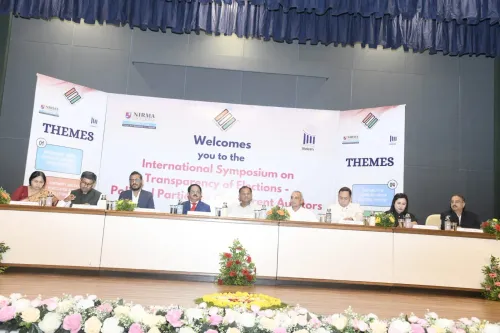
An international symposium titled 'Electoral Transparency: Political Parties as Concurrent Auditors' will be held at Nirma University, Ahmedabad on 21 July .
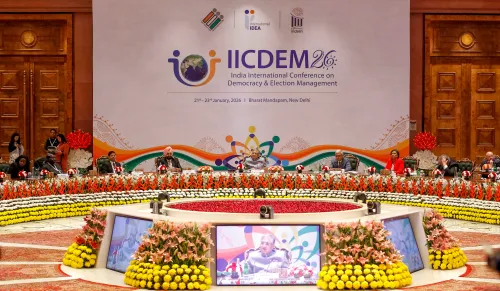
Organised by the Office of the Chief Electoral Officer of Gujarat in collaboration with IIIDEM, New Delhi .
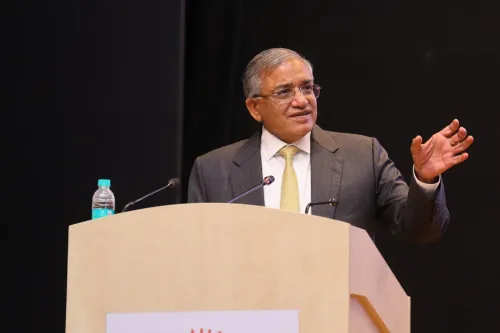
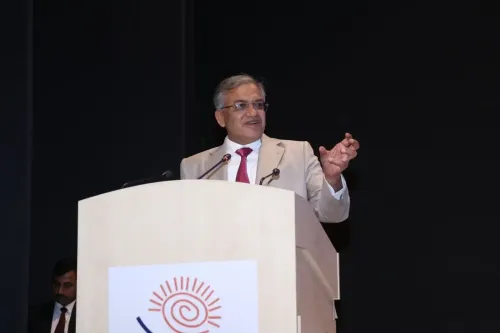
Gujarat CEO Sandeep Sagale , Rajasthan CEO Naveen Mahajan , Chhattisgarh election officials and delegates from the Philippines will attend.
Discussions span five thematic sessions covering oversight frameworks, technology-driven auditability, public trust and accountability mechanisms.
Outcomes are expected to include best-practice documentation and evidence-based policy recommendations for strengthening electoral transparency.
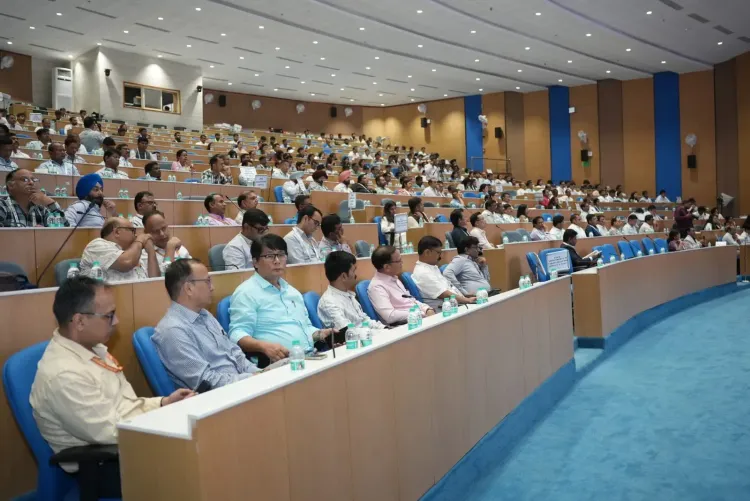
Ahmedabad will host an international symposium on electoral transparency on 21 July, bringing together election officials, legal scholars, academics and international delegates to examine how political parties function as continuous overseers of the democratic process. The event, titled 'Electoral Transparency: Political Parties as Concurrent Auditors', will be held at Nirma University and is organised by the Office of the Chief Electoral Officer (CEO) of Gujarat in collaboration with the India International Institute of Democracy and Election Management (IIIDEM), New Delhi.
What the Symposium Covers
The central theme frames political parties not merely as contestants in elections but as active stakeholders and real-time monitors throughout the electoral cycle. Officials noted that party representatives and polling agents are present at every critical stage — from the preparation of electoral rolls to polling, vote counting and the declaration of results — making them de facto concurrent auditors of electoral procedures.
Discussions will be structured across five thematic sessions: institutional frameworks and neutrality in party-based oversight; continuity of scrutiny across the electoral cycle and existing gaps; transparency, public trust and the risk of politicisation; auditability in technology-driven election management; and mechanisms for strengthening accountability through effective election observation.
Key Participants and Delegates
Gujarat Chief Electoral Officer Sandeep Sagale and Rajasthan Chief Electoral Officer Naveen Mahajan are confirmed attendees, along with representatives from the election administration of Chhattisgarh. Notably, delegates from the Philippines' election management sector will bring an international comparative dimension to the proceedings.
Vice-chancellors, registrars, legal scholars, researchers and experts from leading law universities across India are also expected to participate, broadening the event's academic and policy reach.
Why This Matters for Indian Democracy
The symposium arrives at a time when questions around electoral credibility and institutional accountability are under heightened public scrutiny. By positioning political parties as concurrent auditors — rather than passive participants — the framework attempts to institutionalise a layer of oversight that operates independently of formal election commission mechanisms.
According to the CEO's office, the dialogue is designed to identify emerging challenges, document best practices from varied electoral systems, and support evidence-based policy recommendations aimed at reinforcing transparency and public confidence in elections. The inclusion of international experience from the Philippines alongside perspectives from multiple Indian states is intended to facilitate cross-system comparison.
Expected Outcomes
Organisers expect the symposium to produce a clearer understanding of existing electoral transparency mechanisms, surface gaps in current oversight frameworks, and generate practical recommendations for strengthening accountability. The participation of both state-level election officials and international delegates is seen as a foundation for sharing operational experiences across different democratic contexts.
The event represents one of the more structured attempts in recent years to formalise the role of political parties within the broader architecture of electoral integrity — and its recommendations could inform policy discussions at the national level.
Frequently Asked Questions
What is the electoral transparency symposium being held in Ahmedabad?
It is an international thematic symposium titled 'Electoral Transparency: Political Parties as Concurrent Auditors', scheduled for 21 July at Nirma University, Ahmedabad. The event is organised by the Office of the Chief Electoral Officer of Gujarat in collaboration with IIIDEM, New Delhi, and will bring together election officials, legal experts, academics and international delegates.
Who are the key participants at the Ahmedabad election symposium?
Gujarat CEO Sandeep Sagale and Rajasthan CEO Naveen Mahajan are among the confirmed participants, along with election administration representatives from Chhattisgarh and delegates from the Philippines' election management sector. Vice-chancellors, legal scholars and researchers from leading Indian law universities are also expected to attend.
What does 'political parties as concurrent auditors' mean?
The concept positions political parties as active, real-time monitors of the electoral process — not just contestants. Their authorised representatives and polling agents are present at every stage, from electoral roll preparation to vote counting, effectively providing a continuous layer of oversight alongside formal election commission mechanisms.
What topics will the symposium discuss?
The symposium will cover five thematic areas: institutional frameworks and neutrality; continuity of electoral scrutiny and existing gaps; transparency, public trust and the risk of politicisation; auditability in technology-driven election management; and mechanisms for strengthening accountability through election observation.
What outcomes are expected from the symposium?
Organisers expect the event to produce a better understanding of existing transparency mechanisms, identify emerging challenges, document best practices from different electoral systems, and generate evidence-based policy recommendations to strengthen accountability and public confidence in elections.