CEC Gyanesh Kumar at ECI Media Conference 2026: Key poll transparency practices
Synopsis
At ECI's All India Media Conference 2026, Chief Election Commissioner Gyanesh Kumar laid out how India manages elections for 95 crore voters — through a concurrent audit model involving over 27 lakh ground-level officers and agents. The session, attended by 380 journalists from across India, is a rare behind-the-curtain look at the machinery of the world's largest democracy.
Key Takeaways
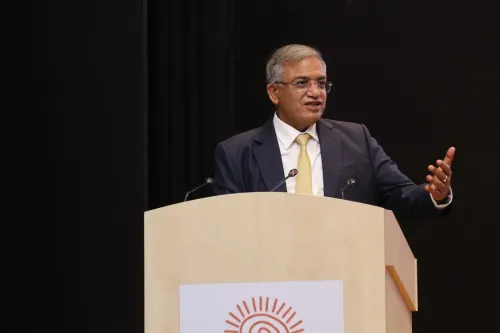
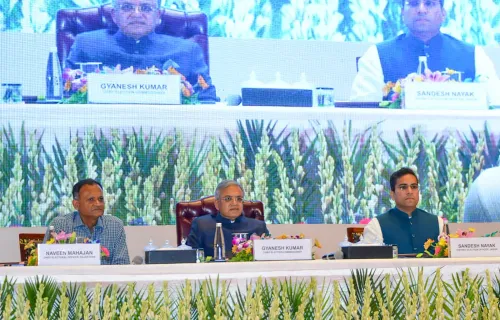
CEC Gyanesh Kumar addressed 380 media professionals at the ECI All India Media Conference 2026 in New Delhi on 17 July 2026 .
India's Electoral Rolls cover nearly 95 crore registered voters and are described as a dynamically evolving 'living document'.
Over 12 lakh Booth Level Officers (BLOs) and 15 lakh Booth Level Agents (BLAs) act as concurrent auditors of the electoral process.
The conference covered the ECINET platform , legal media provisions during elections, and hands-on demonstrations of roll preparation, polling, and counting processes.
Highest-ever turnout in recent Assembly elections was cited as proof of voter trust in India's electoral system.
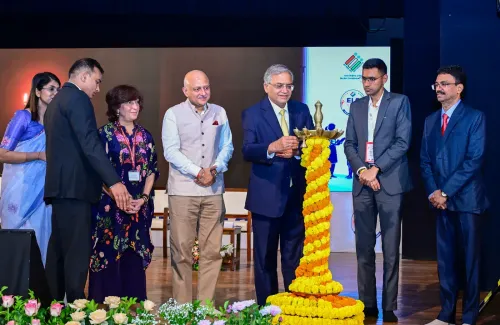
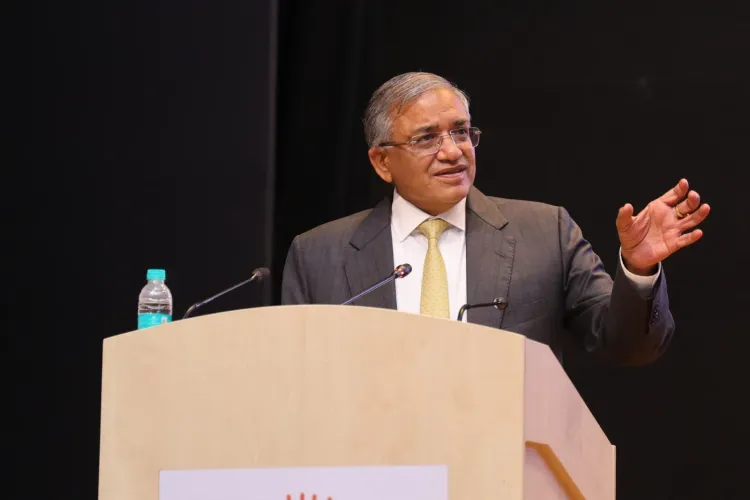
Chief Election Commissioner Gyanesh Kumar on Friday, 17 July 2026 addressed 380 media professionals from across India at the Election Commission of India's All India Media Conference 2026 in New Delhi, outlining the constitutional and statutory framework that underpins transparent elections in the country. The conference, themed 'Connecting Stakeholders, Strengthening Democracy: Role of Media in Elections', brought together representatives from all States and Union Territories.
Electoral Rolls as a Living Document
Gyanesh Kumar described India's Electoral Rolls — covering nearly 95 crore registered voters — as a 'living document' that evolves continuously. He highlighted the statutory safeguards built into the roll preparation process, noting that over 12 lakh Booth Level Officers (BLOs) and more than 15 lakh Booth Level Agents (BLAs) function as concurrent auditors at the ground level. This layered verification system, he argued, ensures that the rolls remain accurate and inclusive.
Concurrent Audit Model and Stakeholder Participation
A central theme of Kumar's address was the Election Commission's reliance on concurrent auditing by multiple stakeholders — political parties, candidates, and their agents — at every stage of the electoral process. He emphasised that India's elections are conducted strictly in accordance with the Constitution of India, the Representation of the People Act, 1950 and 1951, and ECI instructions issued periodically. Participants at the conference were briefed on the distinct roles of Polling Agents and Counting Agents alongside BLAs, underscoring how each layer reinforces transparency.
Record Poll Participation as a Trust Indicator
Kumar pointed to the highest-ever voter turnout recorded in recent Assembly elections as evidence of public confidence in India's electoral system. He also expressed gratitude to electors who participated in the Special Intensive Revision (SIR) process, which is designed to update and cleanse the rolls before each election cycle. This comes amid ongoing national debate about electoral roll accuracy and the role of technology in voter verification.
Technology, ECINET, and Media's Role
The conference sessions covered the ECINET platform — ECI's digital infrastructure for election management — and the role of technology in modernising poll administration. Legal provisions governing media conduct during elections were also discussed, giving journalists a clearer understanding of the regulatory boundaries they operate within. Notably, media professionals were given group demonstrations of the Electoral Roll Preparation, Polling Process, and Counting Process, offering hands-on exposure to the statutory forms that form the basis of concurrent audits.
Interactive Session and Broader Objectives
The programme concluded with a question-and-answer session between participants and CEC Gyanesh Kumar, allowing media professionals to seek direct clarifications. The broader aim of the conference, according to ECI, is to foster an informed understanding of electoral processes among journalists who serve as critical intermediaries between the Commission and the public. With general elections and several state polls on the horizon, the Commission's outreach to media is being read as part of a wider effort to pre-empt misinformation and build institutional credibility.
Point of View
Rather than serving as a post-hoc legitimacy shield. With 95 crore voters on the rolls and questions about SIR accuracy still circulating in public discourse, the Commission needs more than goodwill from journalists — it needs a verifiable, publicly accessible audit trail that the media can independently interrogate.
NationPress
16 Oct 2026
Frequently Asked Questions
What was the ECI All India Media Conference 2026?
It was a national-level conference organised by the Election Commission of India on 17 July 2026 in New Delhi, attended by 380 media professionals from all States and Union Territories. The event aimed to build informed understanding of India's electoral processes among journalists who cover elections.
What did CEC Gyanesh Kumar say about India's Electoral Rolls?
Kumar described India's Electoral Rolls, covering nearly 95 crore voters, as a 'living document' that is continuously updated. He noted that over 12 lakh Booth Level Officers and 15 lakh Booth Level Agents serve as concurrent auditors to maintain roll accuracy.
What is the concurrent audit model in Indian elections?
It is a system where political parties, candidates, and their designated agents — including Polling Agents, Counting Agents, and Booth Level Agents — participate at every stage of the electoral process to independently verify its integrity. The Election Commission frames these stakeholders as real-time auditors of the process.
What is the Special Intensive Revision (SIR) process?
The Special Intensive Revision is an ECI-mandated exercise to update and clean voter rolls before election cycles, removing ineligible entries and adding new voters. CEC Kumar thanked electors for their participation in the most recent SIR drive.
What was demonstrated at the conference?
Media professionals received group demonstrations of Electoral Roll Preparation, the Polling Process, and the Counting Process. They were also shown the statutory forms underpinning concurrent audits, giving journalists direct exposure to election administration mechanics.