ECI media conference: CEC Gyanesh Kumar says every action guided by Constitution
Synopsis
The Election Commission of India used its third national media officers' conference to send a pointed message: every ECI action is Constitution-backed, and the era of AI-driven electoral disinformation demands proactive — not passive — institutional pushback. With 200 officers from 10 states trained on deepfakes, press notes, and voter outreach in a single day, the ECI is quietly building a district-level communication firewall ahead of upcoming polls.
Key Takeaways
ECI held its third one-day media and communication officers' conference in New Delhi on 8 July .
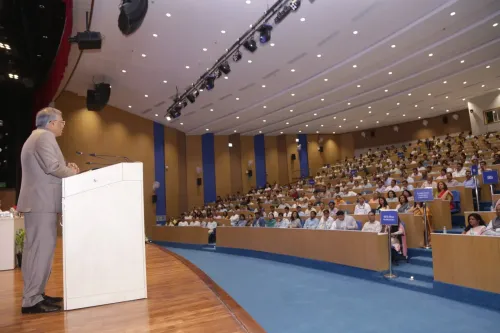
Around 200 officials from 10 states and Union Territories participated, including MNOs, SMNOs, and District PROs.
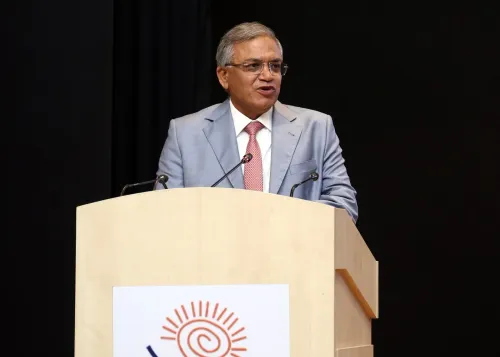
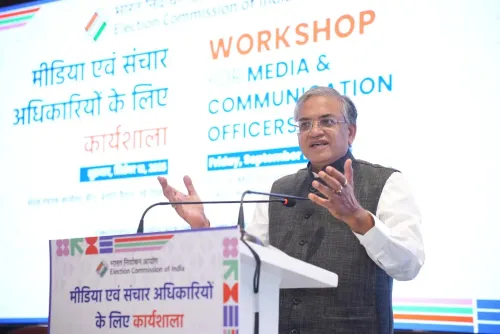
CEC Gyanesh Kumar stated that all ECI actions are guided by the Constitution of India and electoral laws, conducted transparently.
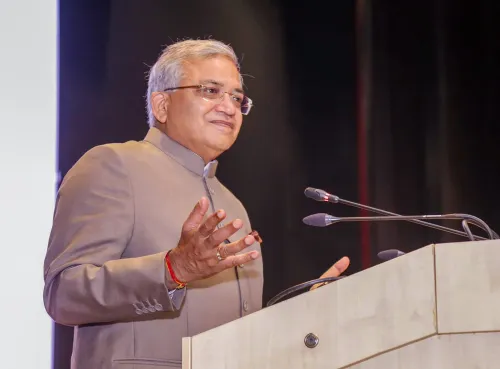
Election Commissioner Dr Vivek Joshi flagged AI, deepfakes, and synthetic media as growing threats to public trust in democratic institutions.
Training covered ECINET , press note drafting, social media amplification, misinformation response, and voter outreach via Electoral Literacy Clubs .
Record voter turnout in recent Assembly elections was cited by the CEC as proof of sustained public confidence in India's electoral institutions.
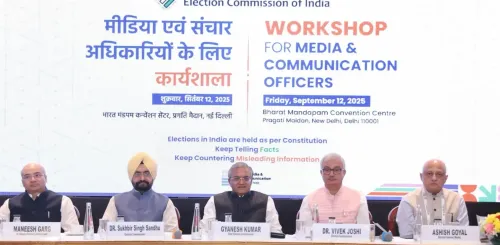
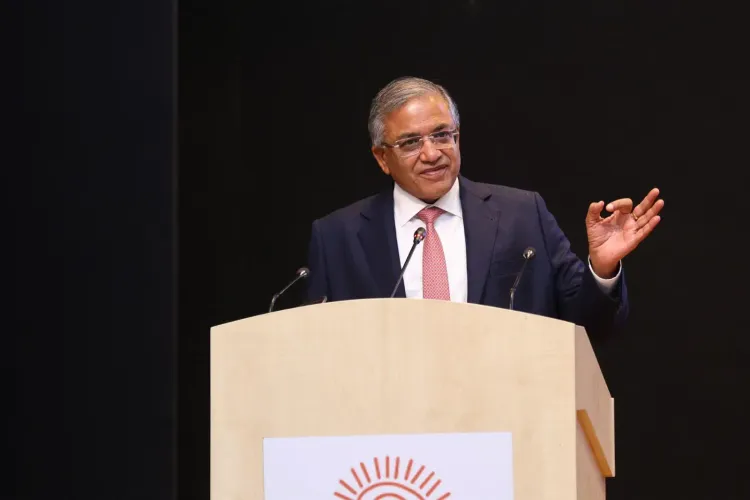
The Election Commission of India (ECI) on Wednesday, 8 July convened its third one-day national conference for media and communication officers in New Delhi, bringing together around 200 officials from 10 states and Union Territories to sharpen election-related communication and combat the rising tide of digital misinformation.
CEC's Core Message
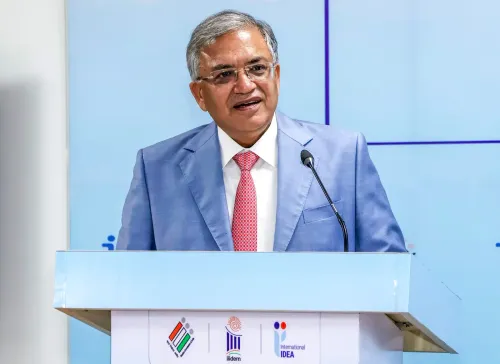
Chief Election Commissioner (CEC) Gyanesh Kumar, addressing the gathering alongside Election Commissioner Dr Vivek Joshi, underscored that every action of the Commission is grounded in the Constitution of India, electoral laws, and written instructions issued in a transparent manner. He emphasised the need for transparent, accurate, and timely communication at every stage of the electoral process.
Kumar cautioned the assembled officers against the proliferation of false narratives on social media, urging them to engage proactively rather than reactively to neutralise misinformation before it spreads. Highlighting the health of India's democratic institutions, he pointed to record voter turnout in recent Assembly elections as evidence of the trust Indian electors continue to place in the electoral system.
AI, Deepfakes, and the Digital Threat
Election Commissioner Dr Vivek Joshi focused on what he described as a growing and sophisticated threat: artificial intelligence, deepfakes, synthetic media, and other forms of misleading digital content deliberately designed, in his words, to undermine public trust in democratic institutions. He called on participating officers to counter such content effectively by strictly adhering to the Commission's rules, instructions, and established communication guidelines.
This comes amid a broader global concern over AI-generated electoral disinformation, with regulators and election bodies worldwide scrambling to build institutional responses ahead of major polls.
What the Conference Covered
The day-long programme featured comprehensive sessions spanning the full election cycle — from electoral roll management to polling and counting procedures. Participants were briefed on ECINET, key constitutional provisions, and the legal framework governing media conduct during elections.
Practical training covered drafting effective press notes, amplifying official communication across traditional and social media platforms, and countering misleading narratives. Officers were also trained to engage younger voters through Electoral Literacy Clubs (ELCs) and to communicate ECI initiatives more effectively to the public.
Who Attended
The conference drew Media Nodal Officers (MNOs), Social Media Nodal Officers (SMNOs), District Media Nodal Officers, District Public Relations Officers (PROs), and senior officials from State Departments of Public Relations (DPRs) across the participating states and Union Territories. Demonstrations of electoral roll preparation, polling procedures, and the counting process were also conducted, along with a guided walkthrough of an exhibition and media corner.
Significance and What Comes Next
The conference is the third in a series, signalling that the ECI is institutionalising its communication training rather than treating it as a one-off exercise. With several state elections on the horizon, the Commission's push to build a more responsive and misinformation-resilient communication network at the district level will be closely watched by political observers and civil society alike.
Point of View
Not episodic. Yet the real test is whether district-level officers, often resource-constrained, can operationalise these guidelines in real time during a fast-moving election cycle. Dr Joshi's explicit call-out of deepfakes and synthetic media is notable: it is rare for a sitting Election Commissioner to name the technology so directly, suggesting the Commission sees AI-generated disinformation as an imminent, not hypothetical, threat. The question mainstream coverage skips is whether the ECI's communication framework has the legal teeth — not just the training modules — to act swiftly when false narratives go viral hours before polling day.
NationPress
7 Oct 2026
Frequently Asked Questions
What was the ECI media and communication officers' conference about?
The Election Commission of India held a one-day conference on 8 July in New Delhi to train around 200 media and communication officers from 10 states and Union Territories on election communication strategies, countering misinformation, and using platforms like ECINET. It was the third such conference in the series.
What did CEC Gyanesh Kumar say at the conference?
CEC Gyanesh Kumar stated that every action of the Election Commission is guided by the Constitution of India, electoral laws, and written instructions, all conducted transparently. He also cautioned officers against false narratives on social media and urged proactive engagement to curb misinformation.
Why did Election Commissioner Dr Vivek Joshi highlight deepfakes?
Dr Vivek Joshi raised concerns about artificial intelligence, deepfakes, and synthetic media being used to undermine public trust in democratic institutions. He urged officers to counter such content by strictly following the Commission's communication rules and guidelines.
Who attended the ECI conference on 8 July?
The conference was attended by Media Nodal Officers, Social Media Nodal Officers, District Media Nodal Officers, District Public Relations Officers, and senior officials from State Departments of Public Relations across 10 states and Union Territories — approximately 200 officials in total.
What training did the ECI provide at the conference?
Officials received training on drafting press notes, amplifying communication through traditional and social media, tackling misinformation, engaging young voters through Electoral Literacy Clubs, and understanding ECINET, constitutional provisions, and media-related legal aspects during elections.