CEC Gyanesh Kumar directs officers to actively counter social media misinformation
Synopsis
India's Chief Election Commissioner has put the ECI's entire communication machinery on notice: passive monitoring of social media is no longer enough. With AI-generated deepfakes and synthetic content now a recognised threat to electoral trust, the Commission is training over 260 officers across 16 states to actively push back — a significant escalation in how India's poll body fights the information war.
Key Takeaways
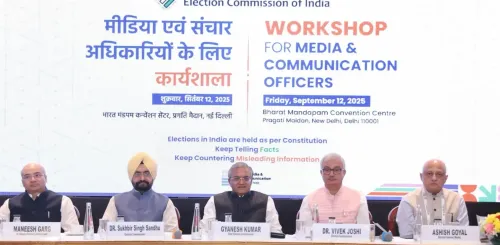
CEC Gyanesh Kumar addressed over 260 Media and Communication Officers at the ECI's Second One-Day Conference in New Delhi on 4 July 2025 .
Officers were directed to proactively counter social media misinformation rather than respond reactively.
Election Commissioner Vivek Joshi flagged AI, deepfakes, and synthetic content as active threats to institutional trust in elections.
Participants included MNOs, SMNOs, and DPROs from 16 States and Union Territories .
Officers were urged to engage young voters through Electoral Literacy Clubs (ELCs) .
The conference featured live demonstrations of Electoral Roll preparation , the Polling Process , and the Counting Process .
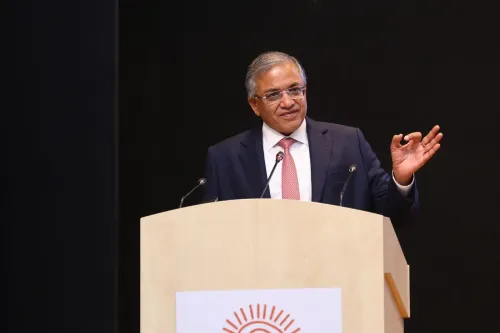
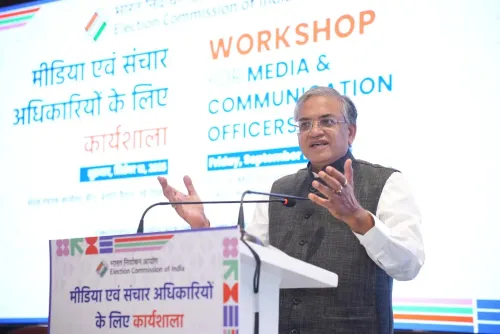
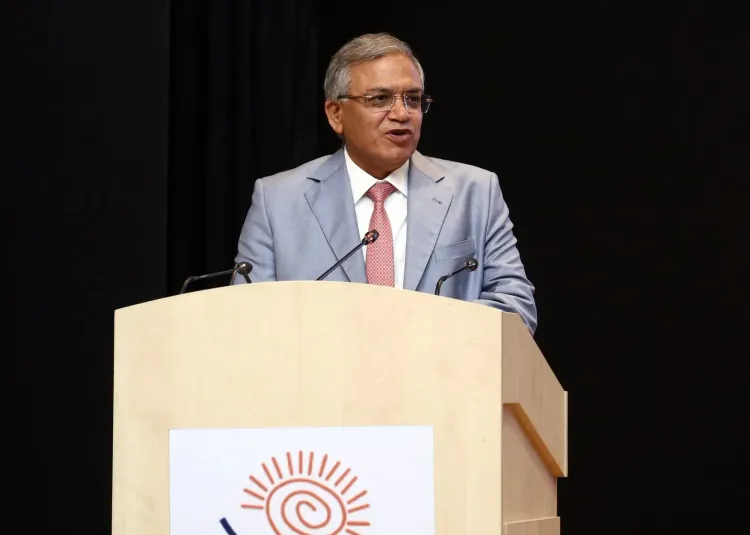
Chief Election Commissioner Gyanesh Kumar on Friday, 4 July 2025, directed the Election Commission of India's (ECI) Media and Communication Officers to proactively engage against false narratives spreading on social media platforms, warning that motivated actors are systematically working to erode public trust in democratic institutions.
What the Conference Covered
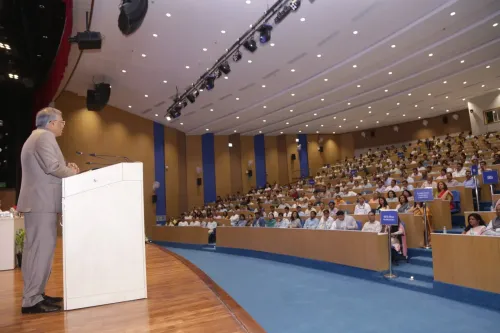
Addressing the ECI's Second One-Day Conference for Media and Communication Officers in New Delhi, CEC Gyanesh Kumar spoke to over 260 officers, outlining strategies to spread awareness and blunt coordinated attempts to undermine institutional credibility. The conference brought together Media Nodal Officers (MNOs), Social Media Nodal Officers (SMNOs), and District Media Nodal Officers/District Public Relations Officers (DPROs) from various districts across 16 participating States and Union Territories, alongside senior officers from respective State Departments of Public Relations.
According to an official statement, the sessions covered communication strategies across the full election cycle — from electoral roll preparation to polling day — as well as key constitutional provisions and laws relating to media matters.
What the CEC Said
CEC Gyanesh Kumar emphasised that every action of the Commission is grounded in the Constitution of India, electoral laws, and written instructions issued in a transparent manner. He pointed to the highest-ever voter turnouts recorded in recent Assembly Elections as evidence of the trust Indian electors continue to place in the country's electoral system.
Kumar urged officers not to remain passive in the face of misinformation, calling for active, rule-based engagement to correct false narratives before they gain traction.
AI, Deepfakes, and the Digital Threat
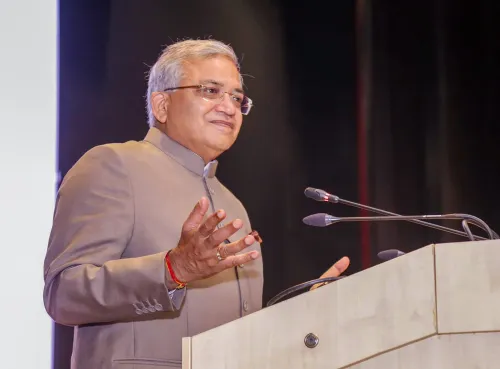
Election Commissioner Vivek Joshi addressed the growing challenge of synthetic content in the digital information environment. He warned that AI-generated material, deepfakes, and mischievous content are increasingly deployed by motivated actors with the explicit intent of misleading voters and eroding trust in institutions.
Joshi urged officers to counter such attempts strictly within the framework of the Commission's rules, instructions, and guidelines. He also called upon officers to engage young voters through Electoral Literacy Clubs (ELCs) as a proactive trust-building measure.
Practical Sessions and Demonstrations
The conference included hands-on sessions on drafting and amplifying press notes through media and social media channels, tackling misinformation narratives, and communicating ECI initiatives to the public. Participants were also taken through live demonstrations of the preparation of Electoral Rolls, the Polling Process, and the Counting Process, followed by a guided walkthrough of the Exhibition and Media Corner.
The programme also facilitated experience-sharing by officers from states that recently went to the polls, enabling the dissemination of best practices across the network. The conference concluded with a question-and-answer session between participants and the Commission.
What This Signals
This is the second such dedicated conference for ECI's communication officers, reflecting a growing institutional recognition that election integrity now extends beyond the physical polling booth into the digital information space. With state elections on the horizon, the Commission's push to equip its communication cadre against AI-driven misinformation marks a significant operational shift in how India's electoral body approaches the information war around elections.
Point of View
Especially given that fact-checks routinely reach far fewer people than the original false claim. The Commission's credibility on this front will ultimately be judged not by the conferences it holds, but by the speed and reach of its corrections when the next election cycle heats up.
NationPress
2 Oct 2026
Frequently Asked Questions
What did CEC Gyanesh Kumar say at the ECI Media Officers Conference?
CEC Gyanesh Kumar directed over 260 ECI Media and Communication Officers to proactively counter misinformation on social media rather than remain passive. He emphasised that all Commission actions are grounded in the Constitution and electoral law, and cited record voter turnouts as proof of public trust in the electoral system.
What is the threat of deepfakes and AI content to Indian elections?
Election Commissioner Vivek Joshi warned that AI-generated material, deepfakes, and synthetic content are being spread by motivated actors to mislead voters and erode trust in electoral institutions. Officers were directed to counter such content strictly within the ECI's established rules and guidelines.
Who attended the ECI's Second Media and Communication Officers Conference?
The conference was attended by over 260 officers, including Media Nodal Officers, Social Media Nodal Officers, and District Public Relations Officers from 16 States and Union Territories, as well as senior officers from State Departments of Public Relations.
What are Electoral Literacy Clubs and why did the ECI mention them?
Electoral Literacy Clubs (ELCs) are ECI-backed initiatives to engage and educate young, first-time voters about the electoral process. Election Commissioner Vivek Joshi called upon officers to use ELCs as a proactive tool to build trust and counter misinformation among younger demographics.
Why is the ECI holding dedicated conferences for its communication officers?
The ECI is holding these conferences to equip its communication cadre with strategies to counter digital misinformation, AI-generated content, and coordinated narrative attacks that threaten public confidence in India's electoral process. This is the second such conference, reflecting growing institutional concern about the information environment around elections.