ECI conference: CEC Gyanesh Kumar briefs 350+ media officers on communication strategy
Synopsis
The Election Commission of India brought together over 350 media and communication officers from all 36 states and UTs in New Delhi, with CEC Gyanesh Kumar personally directing them to prioritise timely, fact-based outreach. With poll-bound states in the room and misinformation on the rise, this was less a routine conference and more a pre-election communication drill at the national level.
Key Takeaways
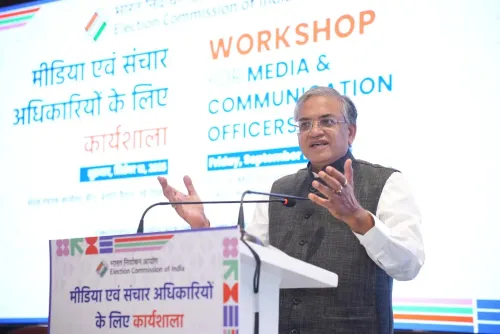
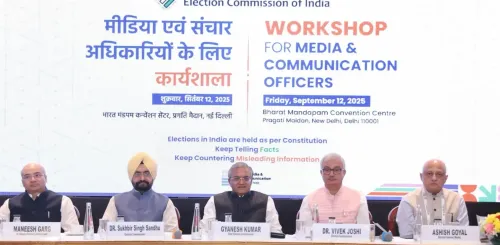
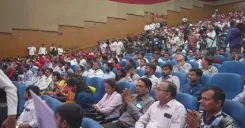
CEC Gyanesh Kumar addressed over 350 media and communication officers at an ECI one-day conference in New Delhi on 12 June .
Officers from all 36 states and Union Territories participated, including from poll-bound states and those under Phase-III Special Intensive Revision .
Election Commissioner Sukhbir Singh Sandhu called for communication to be measured by impact, not just input.
Election Commissioner Dr.
Vivek Joshi stressed the role of officers in making ECI guidelines publicly accessible.
Practical sessions covered press note drafting, social media amplification, misinformation management, and youth voter engagement via Electoral Literacy Clubs .
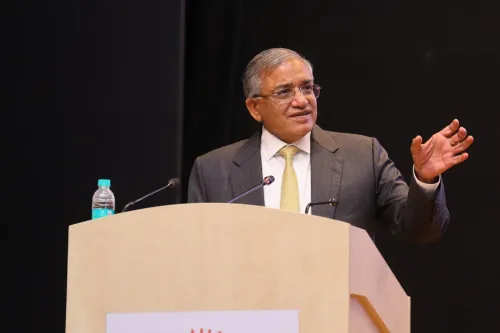
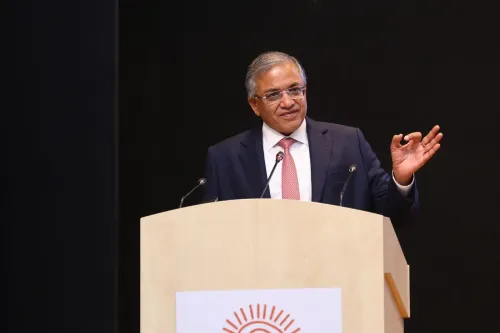
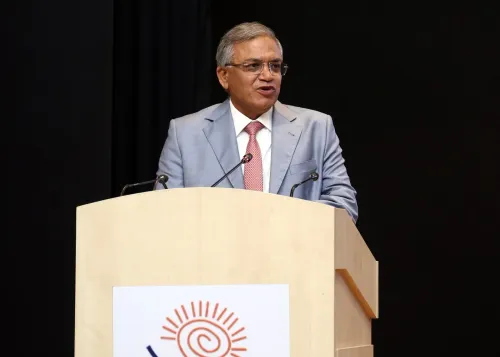
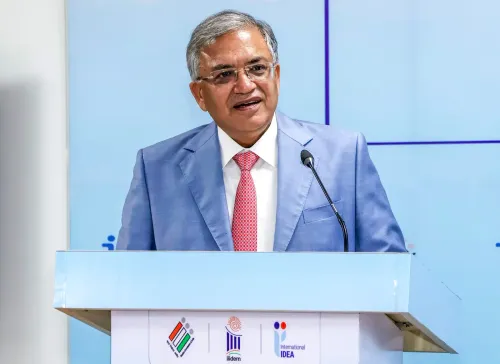
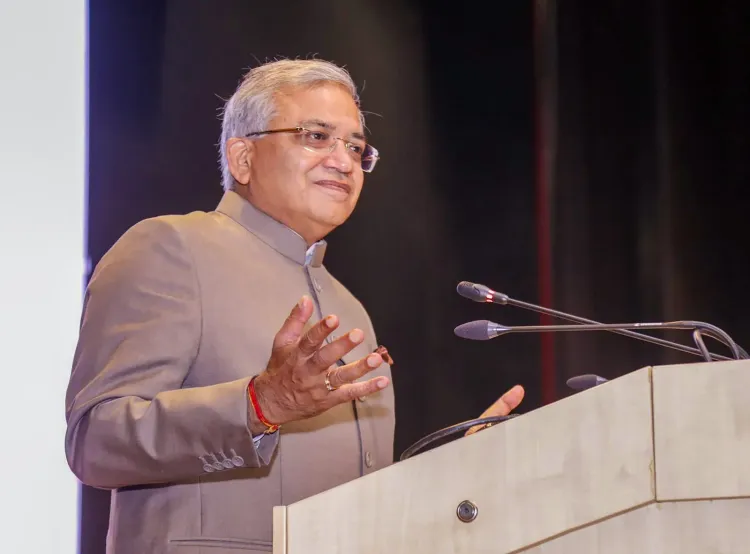
Chief Election Commissioner Gyanesh Kumar on Friday, 12 June emphasised the critical importance of timely, factual, and accessible communication while addressing over 350 media and communication officers of the Election Commission of India (ECI) at a one-day conference in New Delhi. The gathering brought together nodal officers from all 36 states and Union Territories to align on information dissemination strategies across the election cycle.
Key Directives from the Chief Election Commissioner
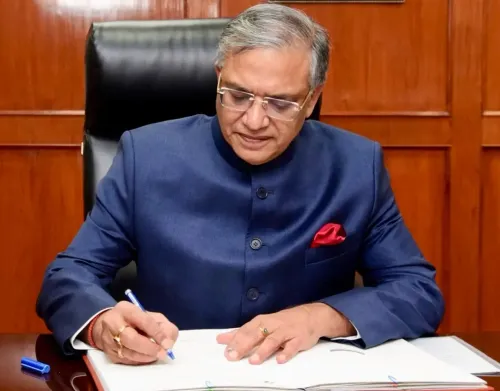
Addressing the conference, CEC Gyanesh Kumar told officers that their communications must be timely, easy to understand, and grounded in facts and law. He highlighted that the recently concluded elections in five states recorded an unprecedented level of public participation since independence, underscoring the stakes of effective public outreach by the Commission's communication machinery.
What the Other Election Commissioners Said
Election Commissioner Sukhbir Singh Sandhu stressed that communication efforts should be evaluated on impact rather than mere input — a shift from measuring volume of outreach to assessing whether citizens are actually informed. Election Commissioner Dr. Vivek Joshi noted that media and communication officers play a pivotal role in translating the Commission's rules, instructions, and guidelines into formats that are readily understandable to the general public.
Who Attended and What Was Covered
The conference drew Media Nodal Officers (MNOs), Social Media Nodal Officers (SMNOs), and District Media Nodal Officers/District PROs — particularly from states and UTs where Phase-III of Special Intensive Revision is currently underway, as well as poll-bound states. Sessions covered the full spectrum of electoral communication: from voter roll management to polling day, the ECINET platform, constitutional provisions, recent apex court orders, and their interface with media law.
Practical Sessions and Best Practices
Practical workshops addressed drafting and amplifying press notes through traditional and social media channels, countering misinformation and hostile narratives, and engaging young voters through Electoral Literacy Clubs (ELCs). Officers from states that recently conducted elections shared on-ground experiences, enabling the dissemination of best practices across the country. The conference concluded with a question-and-answer session between participants and the full Commission, chaired by CEC Gyanesh Kumar.
Broader Significance
This conference reflects the ECI's sharpened focus on proactive communication at a time when misinformation on social media platforms poses a growing challenge to electoral integrity. Notably, the inclusion of SMNOs from all 36 states and UTs signals an institutional acknowledgement that digital channels are now as consequential as traditional press outreach. With several states heading to polls, the timing of this capacity-building exercise carries direct operational relevance.
Point of View
The Commission is right to treat communication as an operational function, not a support role. The emphasis on 'impact over input' from Election Commissioner Sandhu is the right framing, but it only means something if the ECI builds a feedback mechanism to actually measure public comprehension. Historically, government communication exercises produce well-attended conferences and thin follow-through. The real test will be whether these 350 officers return to their districts with a changed playbook — or just a certificate of participation.
NationPress
24 Sept 2026
Frequently Asked Questions
What was the ECI media and communication officers conference about?
The Election Commission of India held a one-day conference in New Delhi on 12 June bringing together over 350 media and communication officers from all 36 states and UTs to discuss information dissemination strategies across the election cycle. Topics included countering misinformation, social media outreach, and engaging young voters.
Who addressed the ECI communication conference?
Chief Election Commissioner Gyanesh Kumar chaired the conference and addressed participants, joined by Election Commissioners Sukhbir Singh Sandhu and Dr. Vivek Joshi. All three commissioners also participated in a question-and-answer session with the officers.
Why was this conference held now?
The conference was held ahead of upcoming state elections and during Phase-III of the Special Intensive Revision of electoral rolls. The timing reflects the ECI's push to align its communication machinery before election season intensifies.
Who are Media Nodal Officers and Social Media Nodal Officers?
Media Nodal Officers (MNOs) and Social Media Nodal Officers (SMNOs) are designated officials within each state and UT responsible for disseminating ECI information to the public through press and digital channels respectively. District-level counterparts handle local outreach.
What did CEC Gyanesh Kumar instruct the officers?
CEC Gyanesh Kumar directed media and communication officers to ensure their communication is timely, easy to understand, and based on facts and law. He also highlighted the record public participation in the recently concluded elections in five states as evidence of the impact of effective outreach.