Why was ex-South Korean President Yoon sentenced to life imprisonment?
Synopsis
In a historic ruling, former South Korean President Yoon Suk Yeol has been sentenced to life imprisonment for his failed martial law attempt in 2024. This case raises critical questions about the balance of power and the integrity of democratic institutions in South Korea.
Key Takeaways
Yoon Suk Yeol sentenced to life imprisonment .
Court ruled martial law declaration as insurrection.
Yoon's actions aimed to incapacitate the National Assembly .
Indictment included conspiracy with former Defence Minister.
Significant implications for South Korea's democratic integrity.
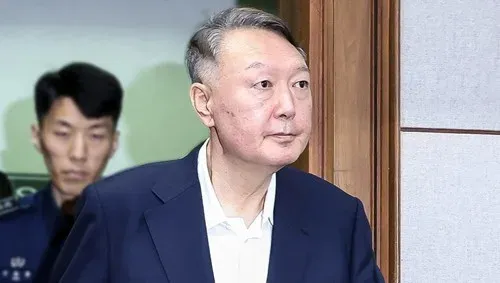
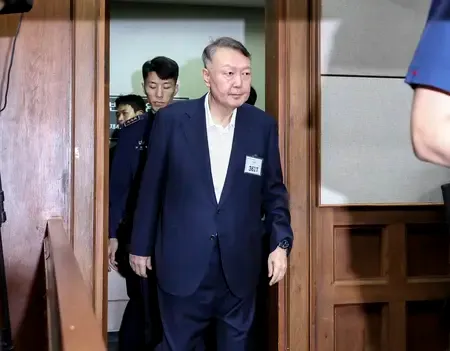
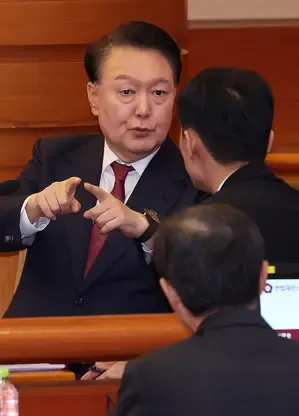
Seoul, Feb 19 (NationPress) On Thursday, a court sentenced the former President of South Korea, Yoon Suk Yeol, to life imprisonment following his unsuccessful attempt to enforce martial law in 2024.
This landmark ruling from the Seoul Central District Court found Yoon guilty of instigating an insurrection through his martial law proposal, although the penalty was less severe than the death sentence sought by special prosecutors, as reported by Yonhap News Agency.
The court emphasized that the martial law directive constituted an insurrection, as it aimed to incapacitate the National Assembly by deploying military forces to the parliamentary grounds.
Repeatedly, the court highlighted that Yoon's actions involved the mobilization of troops to the National Assembly.
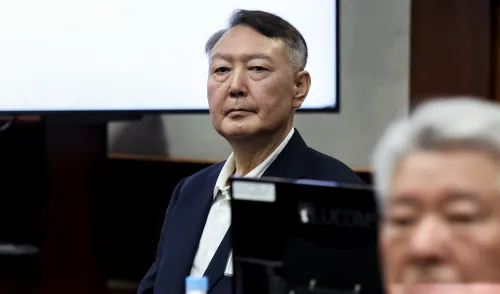
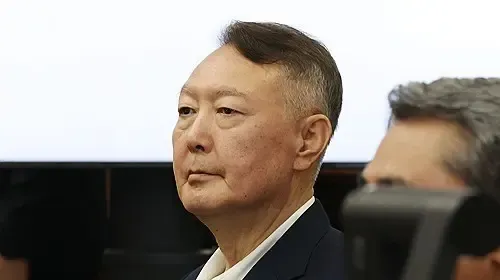
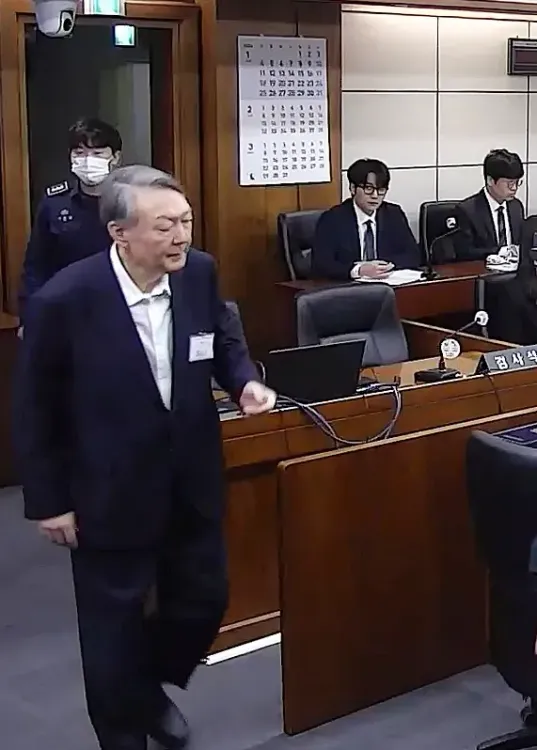
The proceedings were attended by the incarcerated former president and were broadcast live across the nation.
Yoon faced indictment in January of the previous year for leading an insurrection through his brief martial law declaration on December 3, 2024, which lasted for six hours.
The indictment stated that Yoon conspired with former Defence Minister Kim Yong-hyun and others to orchestrate a riot aimed at undermining the Constitution, declaring martial law without a war or equivalent national emergency.
During the final hearing last month, special counsel Cho Eun-suk argued for the death penalty, asserting that Yoon deserved the maximum sentence for his attempt to declare martial law “to remain in power by suppressing the judiciary and legislature.”
“The severity of the crime is significant, as he mobilized resources that should have been used for the benefit of the nation,” the counsel's team stated.
In his closing remarks, Yoon maintained his innocence, asserting that invoking a president's constitutional right to declare a state of emergency cannot be classified as insurrection.
“This was not a military dictatorship suppressing citizens, but a genuine effort to protect freedom and sovereignty, and restore constitutional order,” he argued.
Point of View
I believe this sentencing of Yoon Suk Yeol serves as a pivotal moment for South Korea's political landscape. It underscores the vital importance of upholding democratic values and the rule of law, while also reminding us of the potential consequences when leaders overstep their constitutional authority.
NationPress
9 Oct 2026
Frequently Asked Questions
What was Yoon Suk Yeol convicted of?
Yoon Suk Yeol was convicted of leading an insurrection through his attempt to impose martial law in 2024.
What was the length of the martial law declared by Yoon?
The martial law declared by Yoon lasted for six hours on December 3, 2024.
What sentence did the court impose on Yoon?
The court sentenced Yoon to life imprisonment.
Who was involved in the conspiracy with Yoon?
Former Defence Minister Kim Yong-hyun was among those who conspired with Yoon.
What was the recommendation by special prosecutors?
Special prosecutors recommended the death penalty for Yoon.