Are Foreign Maids Under South Korean Government's Pilot Project Overworked and Underpaid?
Synopsis
A recent survey reveals that foreign maids under a South Korean pilot project are not only underpaid but also often overworked beyond their agreed duties. This situation highlights the urgent need for reevaluation of labor practices and recognition of the value of housekeeping roles.
Key Takeaways
Foreign maids in South Korea are underpaid and overworked.
Average wage is significantly lower than local standards.
Participants reported performing tasks outside their job descriptions.
The program aimed to alleviate labor shortages and support women's careers.
Experts assert the need for reevaluation of housekeeping labor’s economic value.
Seoul, Jan 17 (NationPress) A recent survey has revealed that foreign housekeepers working under a government pilot initiative, which began two years ago, are facing significant challenges related to low pay and excessive work responsibilities beyond their initial agreements.
The Seoul metropolitan government introduced its foreign maid pilot program in September 2024, allowing 100 individuals, primarily from Southeast Asia, including the Philippines, to serve as housekeepers in over 150 households across the city.
Concluded in December of last year, this project aimed to address the local shortage of individuals willing to take on maid roles while providing support for women to maintain their careers, according to reports from Yonhap news agency.
The survey highlighted that participants reported an average monthly wage of 1.92 million won (approximately US$1,303) during the first six months of the initiative.
This amount represents less than half of the average monthly salary for South Koreans in 2024, which stood at 3.74 million won.
After accounting for expenses such as housing and insurance, the net monthly earnings for these workers dropped to only 1.18 million won, as indicated by the survey.
Some participants noted that they were often asked to perform tasks beyond their job descriptions, including washing dishes, pet care, and tutoring children in English.
Professor Lee Mi-ae from Jeju National University, who conducted this survey, stated, "We must reevaluate the value of childcare, acknowledge the economic worth of housekeeping labor, and cultivate a positive cycle of providing high-quality housekeeping services and employment opportunities."
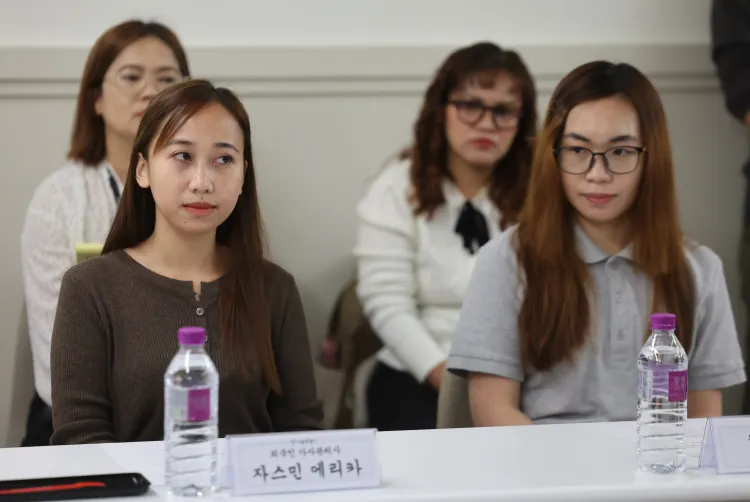
The survey involved 21 housekeepers from the Philippines, aged in their 20s and 30s, and two translators, conducted from April to May of last year, and was published in a journal by the Korea Association for Immigration Policy and Administration.
Point of View
It's crucial to recognize the complexities surrounding foreign labor in South Korea. This survey sheds light on the struggles faced by foreign housekeepers, indicating that while programs aim to address labor shortages, they must prioritize fair wages and reasonable working conditions. We stand by the need for systemic change to ensure dignity in all forms of work.
NationPress
4 Oct 2026
Frequently Asked Questions
What was the average wage for foreign maids under the pilot project?
The average wage reported by foreign maids during the first six months was 1.92 million won (approximately US$1,303).
Why was the pilot project initiated?
The pilot project was launched to address the shortage of local workers willing to take on maid roles and to support women in maintaining their careers.
What additional tasks were foreign maids asked to perform?
Some foreign maids reported being asked to wash dishes, care for pets, and tutor children in English, which were not part of their original job descriptions.
Who conducted the survey on foreign maids?
The survey was conducted by Professor Lee Mi-ae from Jeju National University.
How many housekeepers participated in the survey?
The survey included 21 housekeepers from the Philippines and two translators.