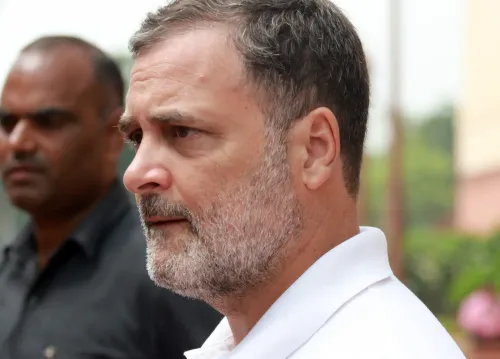
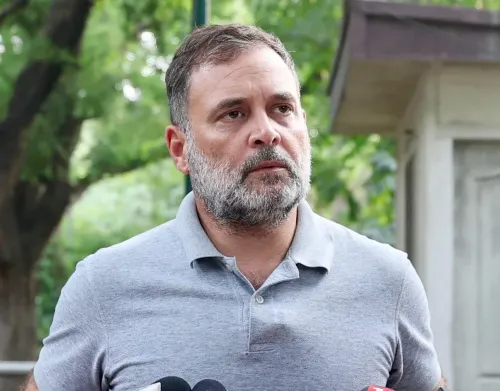
Rahul Gandhi gets Privileges Committee notice over Amit Shah remarks
Synopsis
The Lok Sabha Privileges Committee has formally served notice on Leader of the Opposition Rahul Gandhi over allegedly unparliamentary remarks against Home Minister Amit Shah — complaints filed by two BJP MPs within a day of each other. With a 28 August deadline to respond, the move sharpens the government-opposition fault line heading into the latter half of the Monsoon Session.
Key Takeaways
The Lok Sabha Privileges Committee issued a notice to Rahul Gandhi on 14 August over alleged unparliamentary remarks against Home Minister Amit Shah .
Gandhi must submit his response by 28 August .
The remarks were made during the debate on the Public Examination (Prevention of Unfair Means) Amendment Bill, 2026 .
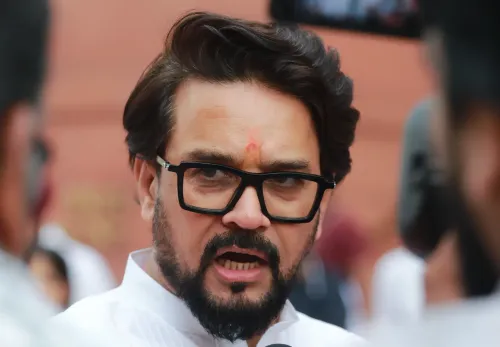
BJP MP Anurag Thakur filed a breach of privilege complaint with Lok Sabha Speaker Om Birla on 30 July .
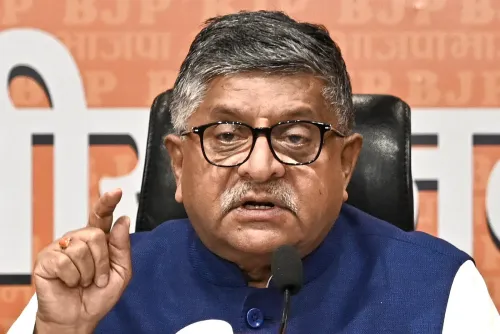
BJP MP Dr Sanjay Jaiswal separately wrote to the Speaker on 29 July seeking action under parliamentary rules.
The complaints allege violation of Rule 353 of the Rules of Procedure and Conduct of Business in the Lok Sabha.
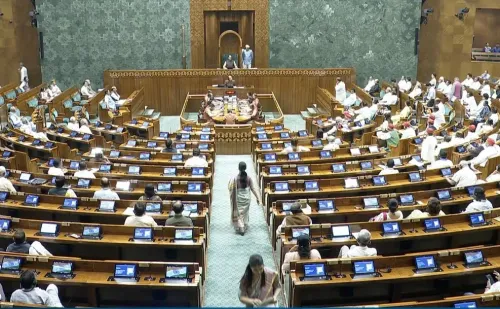
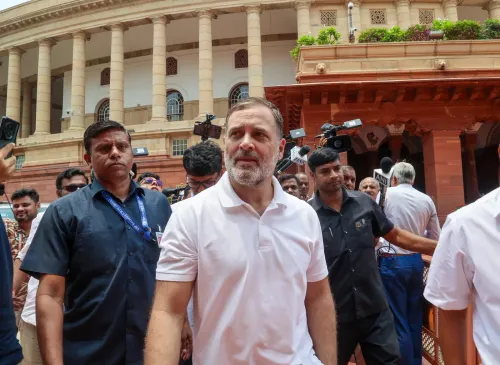
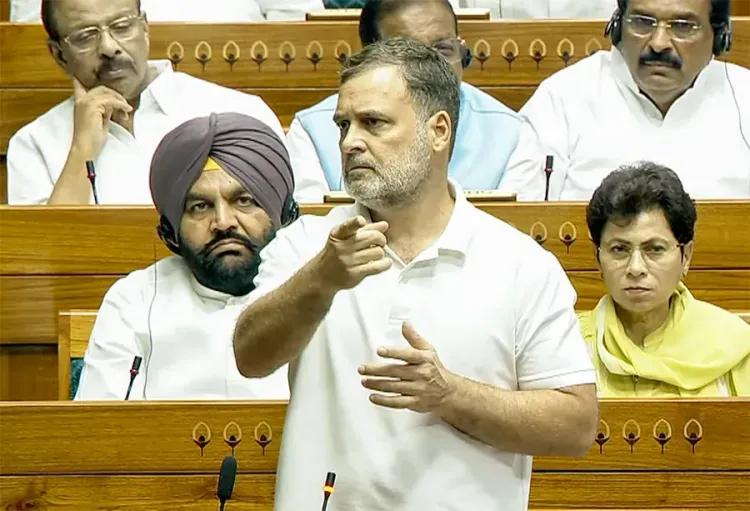
The Lok Sabha Privileges Committee on Friday, 14 August issued a formal notice to Leader of the Opposition Rahul Gandhi, seeking his response to a breach of privilege complaint over remarks he allegedly made against Union Home Minister Amit Shah during a debate in the House. Gandhi has been asked to submit his reply by 28 August.
What the Complaint Alleges
The notice follows complaints by Bharatiya Janata Party (BJP) members who allege that Gandhi used unparliamentary and derogatory expressions against Shah and levelled serious allegations without giving the advance notice required under Rule 353 of the Rules of Procedure and Conduct of Business in the Lok Sabha. The remarks in question were made during the House debate on the Public Examination (Prevention of Unfair Means) Amendment Bill, 2026.
Who Filed the Complaints
BJP MP Anurag Thakur submitted a breach of privilege complaint to Lok Sabha Speaker Om Birla on 30 July, alleging that Gandhi's remarks against the Home Minister were objectionable and violated parliamentary rules. Separately, BJP MP Dr Sanjay Jaiswal wrote to the Speaker on 29 July, urging him to take cognisance of Gandhi's alleged use of unparliamentary expressions during the same debate and requesting appropriate action under the relevant parliamentary provisions.
What Happens Next
The notice from the Lok Sabha Secretariat gives Gandhi a formal opportunity to respond before the committee proceeds further. His submission by the 28 August deadline is expected to form the basis of the committee's deliberation on the complaints. Should the committee find a prima facie case, the matter could be escalated within the parliamentary disciplinary framework.
Broader Political Context
The development comes amid sustained political friction between the National Democratic Alliance (NDA) government and the Opposition during the ongoing Parliament Monsoon Session, which has repeatedly witnessed sharp exchanges over contentious legislative and governance issues. Notably, privilege complaints against opposition leaders have become an increasingly common procedural tool in recent sessions, raising questions about the line between robust parliamentary debate and procedural compliance.
Point of View
And this notice fits a broader pattern of using committee mechanisms to put Opposition leaders on the defensive between sessions. What is notable here is the twin-complaint structure — two BJP MPs filing on consecutive days — which signals coordinated intent rather than individual grievance. The substantive question the committee will need to navigate is where vigorous parliamentary criticism ends and a breach of privilege begins; that line, historically, has been drawn inconsistently. Gandhi's response by 28 August will also be a political statement, not just a legal one, and both sides know it.
NationPress
29 Sept 2026
Frequently Asked Questions
Why has the Lok Sabha Privileges Committee issued a notice to Rahul Gandhi?
The committee issued the notice because two BJP MPs filed breach of privilege complaints alleging that Gandhi used unparliamentary and derogatory expressions against Home Minister Amit Shah during a Lok Sabha debate, without giving the advance notice required under Rule 353. Gandhi has been asked to submit his response by 28 August.
What debate triggered the privilege complaints against Rahul Gandhi?
The complaints relate to remarks Gandhi allegedly made during the Lok Sabha debate on the Public Examination (Prevention of Unfair Means) Amendment Bill, 2026. BJP MPs Anurag Thakur and Dr Sanjay Jaiswal both cited this debate in their separate complaints to Speaker Om Birla.
Who filed the breach of privilege complaints?
BJP MP Anurag Thakur filed a complaint with Lok Sabha Speaker Om Birla on 30 July, and BJP MP Dr Sanjay Jaiswal wrote to the Speaker on 29 July. Both alleged that Gandhi's remarks against Home Minister Amit Shah violated parliamentary rules and procedures.
What is Rule 353 of Lok Sabha procedures?
Rule 353 of the Rules of Procedure and Conduct of Business in the Lok Sabha requires a member to give advance notice before making allegations against another member or a minister during a debate. The BJP MPs allege Gandhi did not comply with this requirement before making remarks against Shah.
What happens if the Privileges Committee finds a case against Rahul Gandhi?
If the committee finds a prima facie breach of privilege, the matter can be escalated within the parliamentary disciplinary framework, which could include censure or other parliamentary action. Gandhi's 28 August response will be the first step in the committee's deliberation.