Rahul Gandhi writes to Amit Shah over Delhi student protest crackdown
Synopsis
Rahul Gandhi has formally written to Amit Shah demanding answers on who authorised pellet guns and plain-clothes personnel against student protesters in Delhi on 20 July — even as the CJP called off its Jantar Mantar agitation after the Centre accepted key demands. The letter puts the Home Ministry on notice with two sharp, unanswered questions.
Key Takeaways
Rahul Gandhi wrote to Amit Shah on 26 July 2026 over the alleged crackdown on student protesters in Delhi on 20 July 2026 .
Gandhi cited the use of pellet guns , tear gas, and plain-clothes personnel wielding lathis, alleging hundreds were injured.
He named 19-year-old student Sahil Lochab , who is reportedly at risk of losing an eye after being hit by a pellet gun.
Gandhi asked Amit Shah directly whether he authorised lethal force, and who deployed plain-clothes individuals against protesters.
The CJP called off its Jantar Mantar sit-in after the Centre agreed to withdraw FIRs and provide compensation for families of students who died in the alleged paper leak controversy.
Union Health Minister J.P.
Nadda confirmed the government's acceptance of the CJP's key demands at a joint press conference.
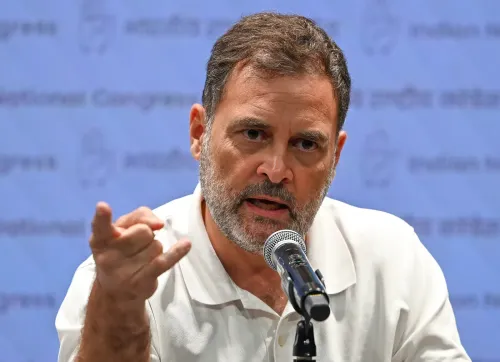
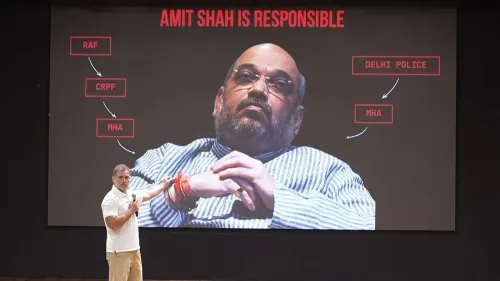
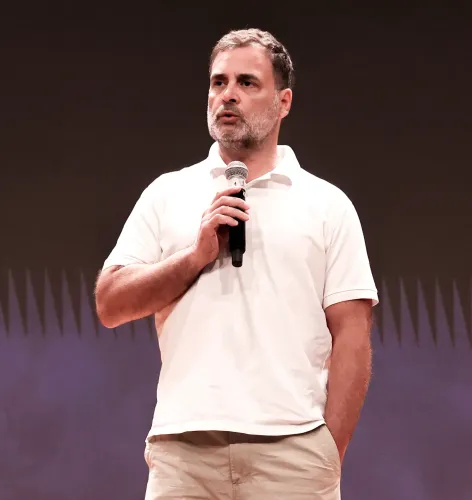
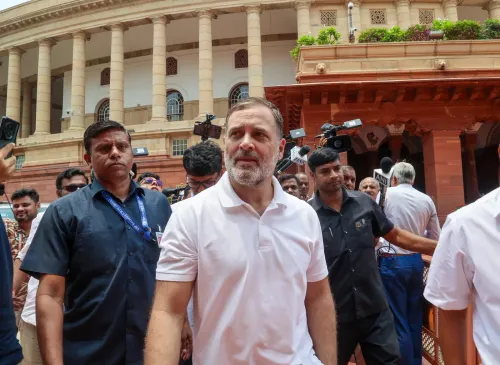
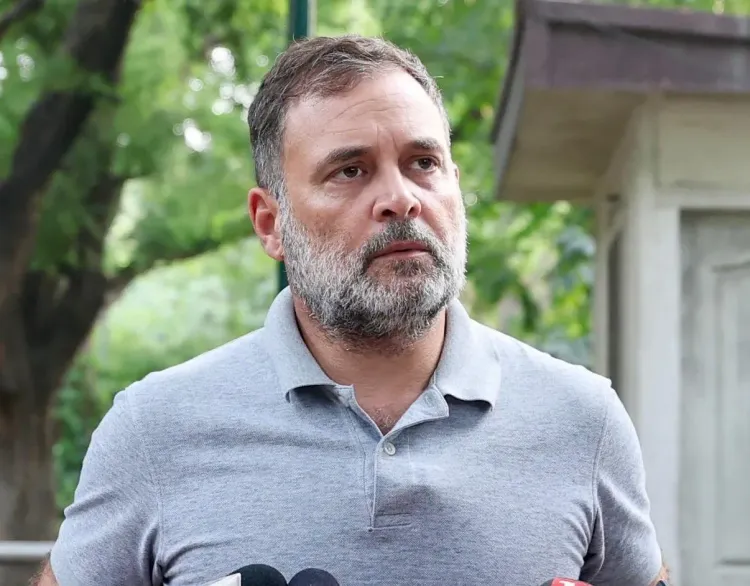
Leader of Opposition in the Lok Sabha, Rahul Gandhi, on Sunday, 26 July 2026, wrote to Union Home Minister Amit Shah, demanding accountability for the alleged assault on students who were peacefully demonstrating in Delhi on 20 July 2026. Gandhi described the security forces' response as excessive and called for urgent answers on who authorised the use of force.
What Gandhi Alleged in the Letter
In his letter, Gandhi stated that students had gathered to demand a fair and accountable education system but were met with what he called indiscriminate force. He wrote: 'I write to demand accountability for the barbaric assault on students who were peacefully protesting in Delhi on July 20, 2026. Our students were demanding a fair and accountable education system. Instead of being heard, security forces assaulted them with indiscriminate force, including lethal weapons and tear gas. Hundreds have suffered serious injuries. Women students have been assaulted by policemen, including by deliberately targeting their private parts.'
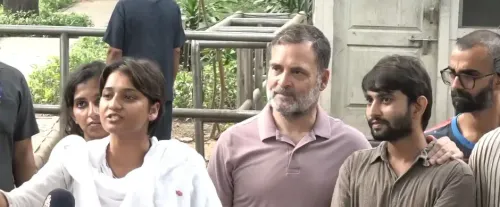
Gandhi also flagged the reported use of pellet guns, calling it the most alarming aspect of the crackdown. He wrote: 'Most shocking has been the use of lethal pellet guns. Reports in the media and social media clearly show people who have suffered grave injuries, including a journalist. I met 19-year old student Sahil Lochab, who is now in severe pain is likely to lose an eye because he was shot with pellet guns.'
Two Specific Questions Raised
Gandhi posed two direct questions to the Home Minister. First, he asked whether Amit Shah had personally approved the use of lethal force, including pellet guns, against the protesters — and if not, who had authorised it. Second, he sought clarity on whether individuals seen in plain clothes assaulting students with lathis were police personnel or volunteers, and under whose authority they had been deployed.
Underlining the constitutional right to peaceful protest, Gandhi said: 'Peaceful protest is crucial to any democracy. It is the government's responsibility to protect protesters and resolve their grievances through dialogue. Such brutal violence destroys every norm, and has outraged the country. Youth and students, the future of our country, are demanding answers and accountability. Their voice will be heard.'
Government Accepts Key Demands, CJP Calls Off Agitation
Separately, the Combined Junior Professionals (CJP) called off its sit-in at Jantar Mantar on Saturday after the Centre accepted its key demands, following the resignation of an official referred to as Pradhan. The decision was announced at a joint press conference in New Delhi after the third round of negotiations between Union Health Minister J.P. Nadda, Union Minister Jitendra Singh, and CJP representatives Saurav Das and Ashutosh Ranka.
Addressing the media, Nadda said the government had agreed to withdraw all police cases filed against protesting students, provide written confirmation of the FIR withdrawals, and ensure the highest possible compensation for families of students who died in incidents linked to the alleged paper leak controversy.
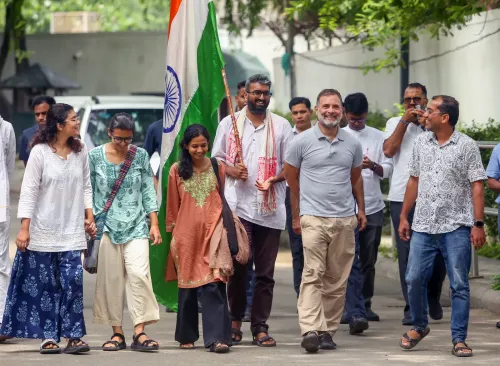
Saurav Das, speaking on behalf of the CJP, urged protesters to withdraw the agitation and return home, saying the government had accepted all demands raised during the sit-in and there was no further reason to continue.
What Happens Next
Gandhi's letter puts the Home Ministry under formal political pressure to account for the events of 20 July. With the CJP agitation suspended following government assurances, the focus now shifts to whether those assurances — including FIR withdrawals and compensation — are implemented, and whether the Centre responds to Gandhi's pointed questions on the chain of command during the crackdown.
Point of View
He forces either an admission of authorisation or an admission of a command-and-control failure. Neither answer is comfortable for the Home Ministry. The more significant gap in coverage is the identity and legal basis of the plain-clothes personnel — a question that goes to the heart of whether what happened on 20 July was a policing operation or something else entirely. The CJP calling off its protest after the Centre accepted demands is a partial resolution, but Gandhi's letter ensures the accountability question stays live regardless of whether the agitation continues.
NationPress
24 Oct 2026
Frequently Asked Questions
Why did Rahul Gandhi write to Amit Shah about the student protests?
Rahul Gandhi wrote to Amit Shah on 26 July 2026 to demand accountability for the alleged assault on students who were peacefully protesting in Delhi on 20 July 2026. He cited the use of pellet guns, tear gas, and plain-clothes individuals with lathis, and asked the Home Minister to clarify who authorised the use of force.
What specific questions did Rahul Gandhi raise in his letter?
Gandhi asked two questions: whether Amit Shah had personally approved the use of lethal force, including pellet guns, against the protesters, and if not, who had authorised it. He also asked whether the plain-clothes individuals seen assaulting students with lathis were police personnel or volunteers, and under whose authority they were deployed.
Who is Sahil Lochab and why is he mentioned?
Sahil Lochab is a 19-year-old student whom Rahul Gandhi says he met after the 20 July protest. According to Gandhi's letter, Lochab is in severe pain and is reportedly at risk of losing an eye after being struck by a pellet gun during the crackdown.
Why did the CJP call off its Jantar Mantar protest?
The CJP called off its sit-in at Jantar Mantar on Saturday after the Centre accepted its key demands following the resignation of Pradhan. The government agreed to withdraw all police cases against protesting students, provide written FIR withdrawal confirmations, and ensure the highest possible compensation for families of students who died in incidents linked to the alleged paper leak controversy.
What did Union Health Minister J.P. Nadda say at the press conference?
J.P. Nadda confirmed at a joint press conference in New Delhi that the government had agreed to withdraw all FIRs against protesting students and would ensure maximum compensation for families of deceased students linked to the alleged paper leak controversy. CJP representatives Saurav Das and Ashutosh Ranka were also present at the conference.