Why Do Over One Million People in Gaza Still Need Shelter Assistance?
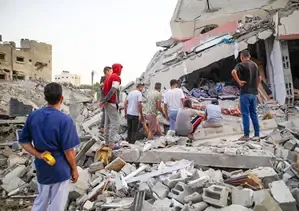
Synopsis
Over one million people in Gaza are in desperate need of shelter assistance due to harsh winter conditions, despite humanitarian efforts. This situation is exacerbated by waste management challenges and the potential restrictions on international NGOs. Explore the ongoing humanitarian crisis and the urgent need for support in this article.
Key Takeaways
Over 1 million people in Gaza require shelter urgently.
Humanitarian efforts continue but face significant challenges.
Harsh winter conditions are worsening living situations.
Waste management issues pose health risks.
International NGOs play a crucial role in delivering aid.
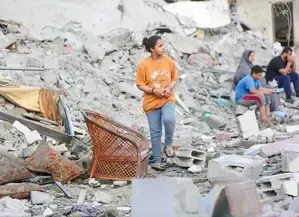
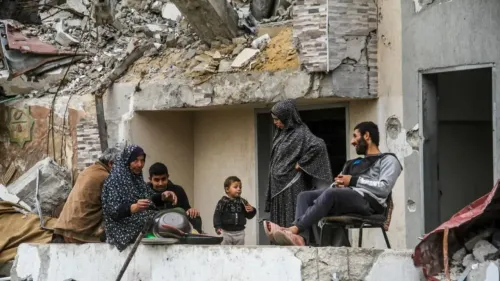
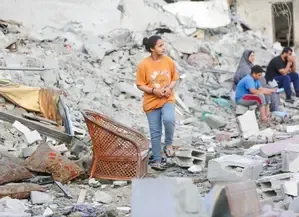
United Nations, Jan 3 (NationPress) More than 1 million individuals, which equates to nearly every other resident in Gaza, are in dire need of shelter assistance, as reported by the Office of the Spokesperson for the UN Secretary-General.
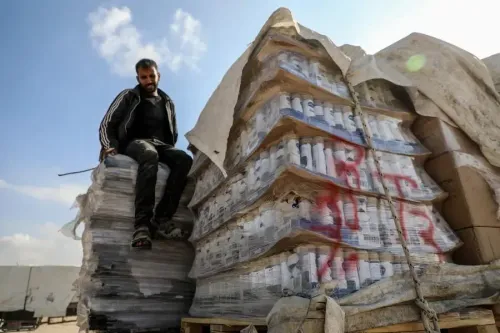
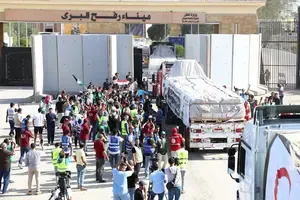
The office highlighted that the need for shelter persists despite the distribution of thousands of tents and hundreds of thousands of tarpaulins and other essentials across the region since the ceasefire, according to Xinhua.
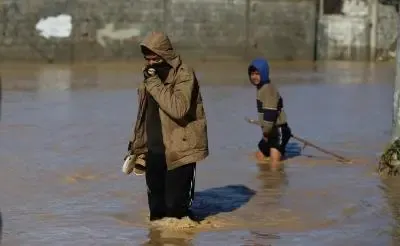
According to the UN Office for the Coordination of Humanitarian Affairs, humanitarian workers in Gaza are actively supporting the most vulnerable families; however, the severe winter conditions are forcing hundreds of thousands of Palestinians to endure life in makeshift tents that are increasingly compromised by rain, wind, and seawater.
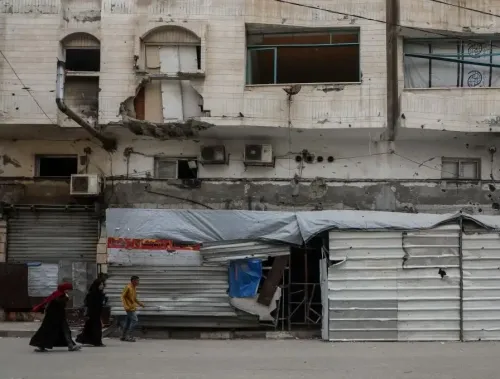
Additionally, partners of the UN working in water, sanitation, and hygiene are encountering significant challenges in waste management. The disparity between the waste collected and what accumulates is growing, primarily due to restricted access to landfills, damaged infrastructure, and fuel shortages, as stated by the spokesperson's office.
Notably, teams supported by the UN Children's Fund have successfully removed 1,000 tonnes of solid waste each month since the ceasefire, playing a crucial role in protecting the health and well-being of children and their families.
The UN Development Programme noted in December that solid waste management services are among the most severely impacted, with limited operational temporary dumping sites, which exacerbates both environmental and public health risks, according to the spokesperson's office.
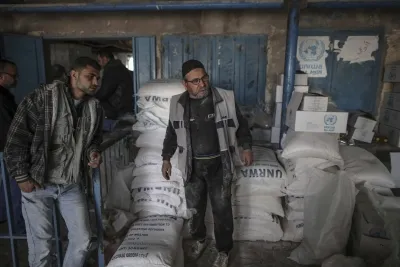
In a statement released on Wednesday, the Inter-Agency Standing Committee, which includes UN entities and their partners, urged Israeli authorities to reconsider their plan to restrict many international non-governmental organizations from operating, emphasizing the critical role these organizations play in humanitarian efforts in the occupied Palestinian territory.
Point of View
It is vital to remain focused on the humanitarian needs of the affected populations. The ongoing crisis in Gaza requires urgent attention and support from both local and international communities. It is crucial to prioritize the well-being of those in dire need and foster a dialogue that emphasizes cooperation and humanitarian aid.
NationPress
21 Sept 2026
Frequently Asked Questions
How many people in Gaza need shelter assistance?
Over one million people in Gaza urgently require shelter assistance.
What challenges do humanitarian workers face in Gaza?
Humanitarian workers are struggling with waste management and harsh winter conditions affecting vulnerable families.
How is the UN addressing the shelter crisis in Gaza?
The UN has distributed thousands of tents and tarpaulins, while also mobilizing partners for basic needs like water and sanitation.
What is the impact of the winter on the people in Gaza?
Harsh winter conditions leave many families in makeshift tents vulnerable to damage from rain and wind.
Why are international NGOs critical in Gaza?
International NGOs are vital for effective humanitarian operations and support for the affected populations.