CM Vishnu Deo Sai marks National Handloom Day, backs Atmanirbhar push
Synopsis
Chhattisgarh CM Vishnu Deo Sai marked National Handloom Day on 7 August 2026, invoking the Swadeshi movement's legacy and linking India's handloom traditions to the Atmanirbhar Bharat self-reliance push.
Key Takeaways
CM Vishnu Deo Sai posted a Hindi tribute on National Handloom Day, 7 August 2026 , connecting weaving heritage to national self-reliance.
National Handloom Day commemorates the launch of the Swadeshi movement on 7 August 1905 and was institutionalised in 2015 .
The post explicitly references Atmanirbhar Bharat , the central government's 2020 self-reliance initiative that includes the textiles sector.
Chhattisgarh has significant tribal weaving traditions and handloom clusters, giving the tribute local economic relevance.
Handloom remains one of India's largest employment sectors after agriculture, underpinning the policy stakes behind ceremonial recognition.
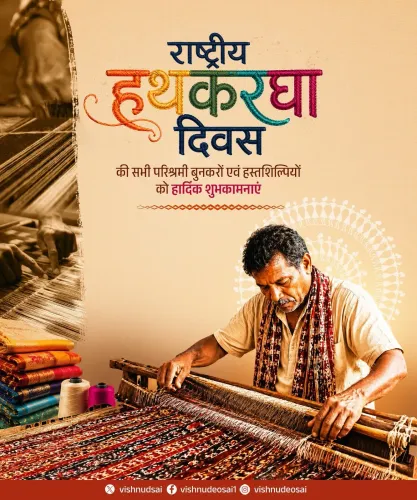
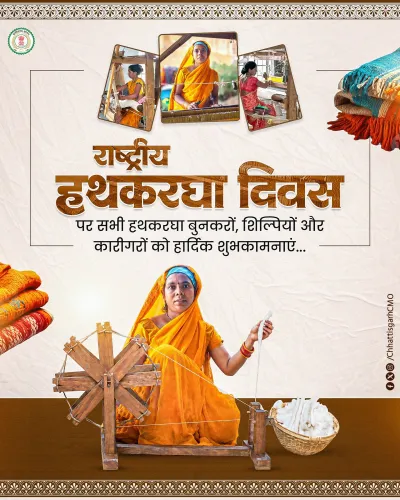
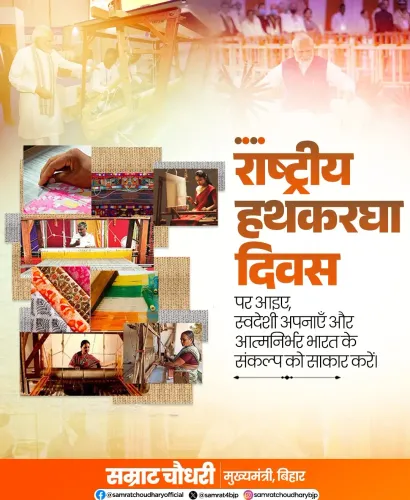
On a day that carries the echo of a century-old revolution, Chhattisgarh Chief Minister Vishnu Deo Sai used National Handloom Day, 7 August 2026, to reaffirm the link between India's weaving traditions and its modern self-reliance agenda.
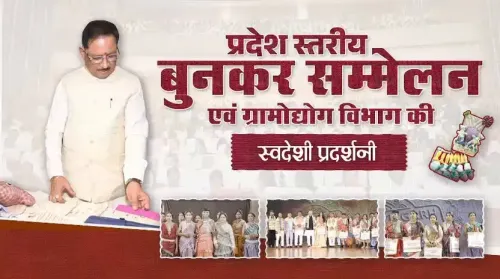
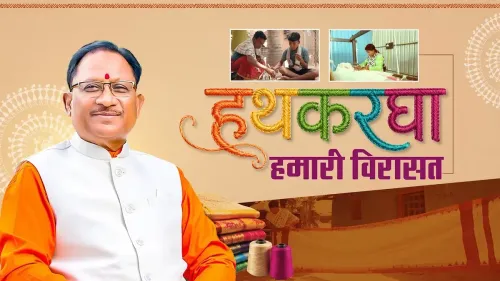
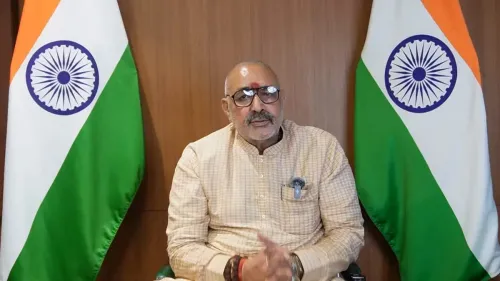
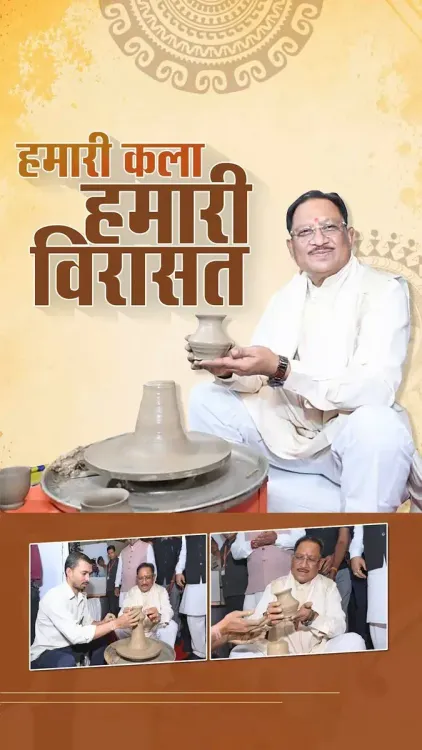
Posting in Hindi on the occasion, CM Sai wrote: 'हमारी कला, हमारी विरासत / स्वदेशी अभियान से आत्मनिर्भर बन रहा भारत' — 'Our art, our heritage / India is becoming self-reliant through the Swadeshi movement.' The message, paired with a video, frames handloom not as a relic but as a living instrument of economic sovereignty.
A date rooted in the Swadeshi movement
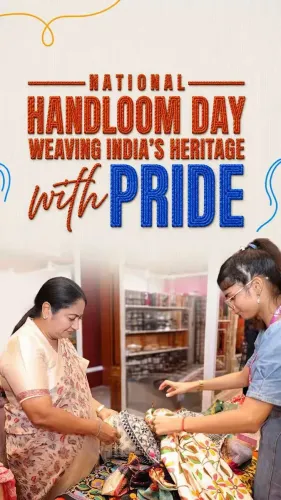
National Handloom Day is observed every year on 7 August — the anniversary of the formal launch of the Swadeshi movement on 7 August 1905, when Indian leaders called for a boycott of British goods and a turn toward indigenous production. The day was institutionalised in 2015 to mark the movement's 110th anniversary and to spotlight the millions of weavers whose livelihoods depend on the sector.Swadeshi thread, Atmanirbhar fabric
CM Sai's post explicitly ties the historical Swadeshi spirit to Atmanirbhar Bharat, the central government's self-reliance initiative launched in 2020 that covers indigenous manufacturing across sectors, including textiles. The framing — cultural pride as economic policy — is a recurring motif in state and central messaging around handloom promotion, and it lands with particular resonance in Chhattisgarh, a state with deep tribal weaving traditions and active handloom clusters. For the artisans at those clusters, the political salute translates into a broader question: whether ceremonial recognition will be matched by budget allocations, market linkages, and GI-tagging drives that protect and grow their craft. India's handloom sector remains one of the largest employers after agriculture — a fact that gives every August 7 tribute a very concrete weight.Point of View
Where tribal handloom is both livelihood and identity, this messaging carries more than symbolic weight. The real test will come in budget cycles: whether state allocations to handloom clusters, GI-tagging drives, and expo participation follow the rhetoric. Across handloom-intensive states, this August 7 messaging has become a reliable annual signal — the question analysts watch is whether it precedes policy action or substitutes for it.
NationPress
21 Sept 2026
Frequently Asked Questions
Why is National Handloom Day celebrated on 7 August?
National Handloom Day is observed on 7 August to mark the anniversary of the Swadeshi movement, formally launched on 7 August 1905 in response to the British partition of Bengal. The day was instituted in 2015 to honour the movement's 110th anniversary and promote India's handloom sector.
What is Atmanirbhar Bharat and how does it relate to handloom?
Atmanirbhar Bharat is a central government initiative launched in 2020 to promote self-reliance through indigenous production across sectors. Handloom and textiles are a key pillar, with the scheme encouraging domestic weaving, reducing import dependence, and supporting artisan livelihoods.
What handloom traditions does Chhattisgarh have?
Chhattisgarh has rich tribal weaving traditions, including distinct textile styles from its indigenous communities, and hosts active handloom clusters. The state's craft heritage makes it a significant player in India's broader handloom economy.
What did CM Vishnu Deo Sai post on National Handloom Day 2026?
CM Vishnu Deo Sai posted in Hindi on 7 August 2026 , writing 'Our art, our heritage / India is becoming self-reliant through the Swadeshi movement,' alongside a video, marking the occasion and linking it to the Atmanirbhar Bharat agenda.
How big is India's handloom sector?
India's handloom sector is one of the country's largest employers after agriculture, supporting millions of weavers and artisans, which is why policy attention — from GI tagging to budget allocations — on days like National Handloom Day carries real economic stakes.