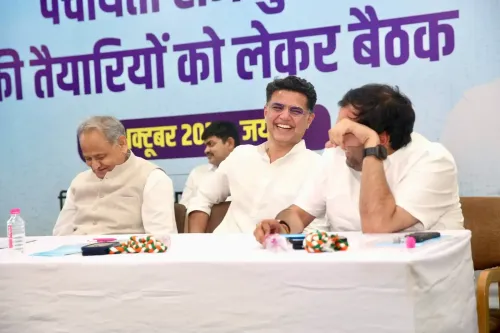
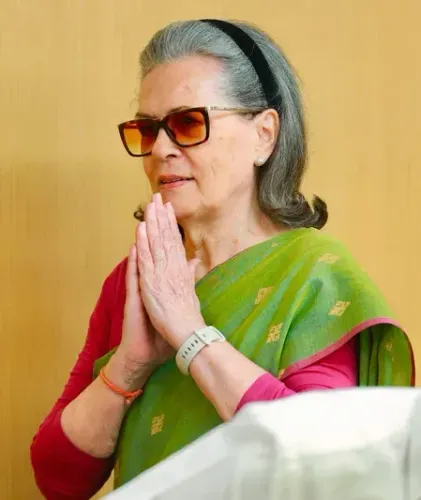
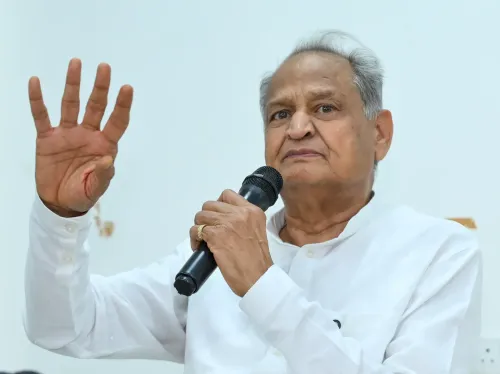
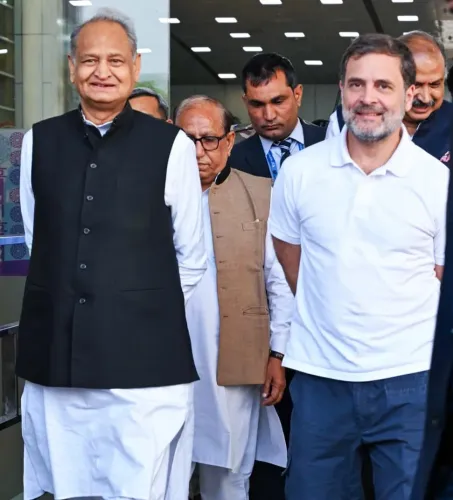
Ashok Gehlot recalls witnessing Sonia Gandhi decline PM post in 2004
Synopsis
Twenty-two years after Sonia Gandhi stunned Indian politics by declining the Prime Minister's post, her new autobiography has prompted Ashok Gehlot — an eyewitness in Parliament's Central Hall — to revisit that moment publicly. His account adds a rare firsthand dimension to one of the most consequential and contested decisions in Congress history.
Key Takeaways
Ashok Gehlot says he personally witnessed Sonia Gandhi decline the Prime Minister's post in Parliament's Central Hall in 2004 .
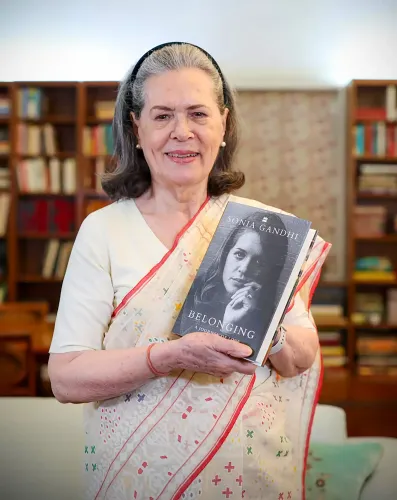
Gehlot's account was shared in a detailed post on social media platform X , prompted by the release of Sonia Gandhi's autobiography 'Belonging: A Journey of Love' .
He described her decision as rooted in ideological commitment rather than a desire for political power.
Gehlot asserted the Gandhi family remains at the forefront of ideological opposition to the BJP and the RSS .
The autobiography offers personal context around the 2004 decision and other significant moments in Sonia Gandhi's public career.
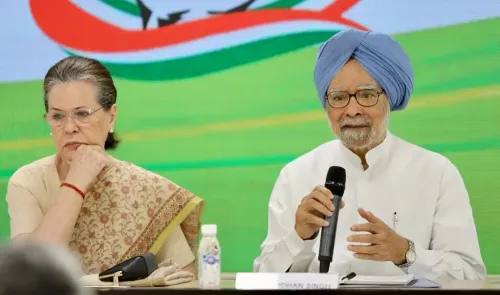
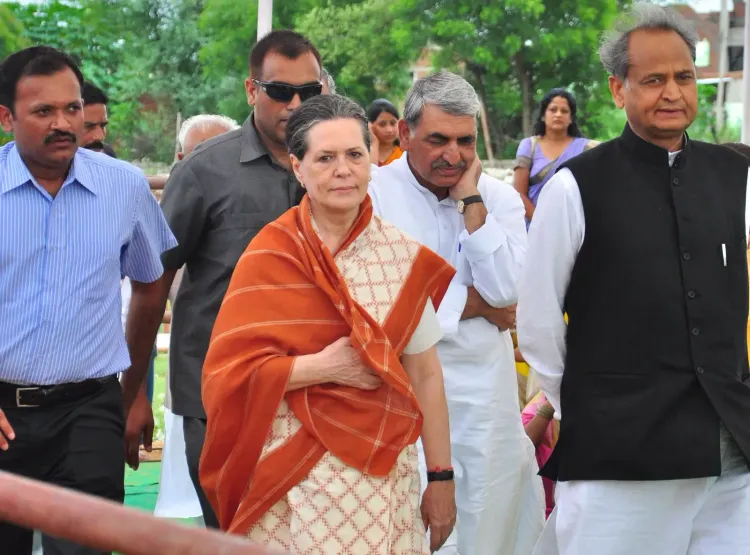
Former Rajasthan Chief Minister and senior Indian National Congress (INC) leader Ashok Gehlot has shared a personal account of one of the most debated political moments in modern Indian history — Sonia Gandhi's refusal to accept the post of Prime Minister in 2004 — following the release of her autobiography, 'Belonging: A Journey of Love'. Gehlot, who serves as a senior figure within the Congress party, said he was personally present in Parliament's Central Hall when the Congress Parliamentary Party (CPP) Chairperson declined the country's highest executive office despite overwhelming support from United Progressive Alliance (UPA) leaders and Members of Parliament.
An Eyewitness Account
Reacting to the autobiography's release, Gehlot took to social media platform X to offer a detailed reflection on what he described as one of the most remarkable acts of sacrifice in contemporary Indian politics. He wrote that all UPA MPs at the time had wanted Sonia Gandhi to assume the Prime Minister's post, yet she declined — a decision he said he witnessed firsthand in Parliament's Central Hall.
According to Gehlot, the autobiography provides context and circumstantial detail around that pivotal decision, offering readers an account of the pressures and convictions that shaped it.
Sacrifice Over Power: Gehlot's Characterisation
Gehlot described Sonia Gandhi's decision as driven not by a desire for power but by ideological commitment — specifically, he said, to strengthen what he called the ideological fight against the politics of the Rashtriya Swayamsevak Sangh (RSS) and the Bharatiya Janata Party (BJP). He added that her choice demonstrated political conviction, a spirit of sacrifice, and deep organisational commitment to the Congress.
Notably, the former Chief Minister characterised her life as an example of sacrifice, dedication and struggle — qualities he said are increasingly rare in contemporary politics.
The Gandhi Family's Political Journey
Gehlot also addressed the political challenges faced by the Gandhi family over the decades. He said numerous conspiracies had been directed against the family, yet its members had faced difficult circumstances and personal attacks with dignity. He asserted that even today, the Gandhi family remains at the forefront of ideological opposition to the BJP and the RSS.
According to Gehlot, despite sustained political pressure, the family has continued its struggle to protect the Constitution, democratic values, social harmony, and the country's unity and integrity.
About the Autobiography
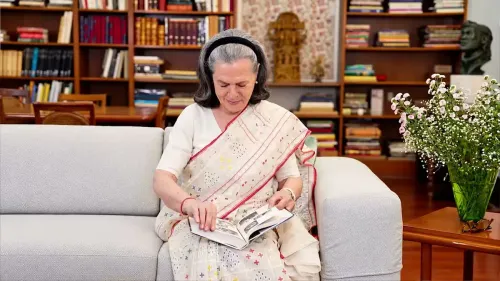
Sonia Gandhi's autobiography, 'Belonging: A Journey of Love', offers a personal account of her life, political journey, and the circumstances surrounding some of the most significant moments in her public career. The book has drawn fresh attention to the events of 2004, when the UPA swept to power but its leader chose not to occupy the chair she was widely expected to take.
Gehlot concluded that Sonia Gandhi's life demonstrates that politics should not be viewed merely as a means of acquiring power, and that her decision to decline even the highest office for the sake of ideology and principle stands as a lasting example in Indian political history. The autobiography's release is likely to reignite public debate around that decision and its long-term consequences for the Congress party.
Point of View
Providing the Congress a fresh narrative moment to contrast 'principled leadership' against its current opponents. What mainstream coverage underplays is the contested nature of that decision itself: critics have long argued the choice shaped India's governance architecture in ways that diluted accountability between the UPA Chairperson and the Prime Minister. The autobiography may force a more honest reckoning with that constitutional ambiguity. Meanwhile, Gehlot's continued centrality as a Congress voice — despite losing the Rajasthan chief ministership — signals the old guard's enduring grip on the party's public narrative.
NationPress
10 Nov 2026
Frequently Asked Questions
What is Sonia Gandhi's autobiography 'Belonging: A Journey of Love' about?
'Belonging: A Journey of Love' is Sonia Gandhi's autobiography covering her personal life, political journey, and the circumstances surrounding key moments in her public career, including her decision to decline the Prime Minister's post in 2004. The book has drawn renewed attention to the events that followed the UPA's election victory that year.
Why did Ashok Gehlot speak about Sonia Gandhi's 2004 decision now?
Gehlot was reacting to the release of Sonia Gandhi's autobiography, which prompted him to share his personal recollection of being present in Parliament's Central Hall when she declined the PM post. He posted his account on social media platform X following the book's publication.
What was the political context of Sonia Gandhi declining the PM post in 2004?
In 2004, the UPA coalition, led by the Congress, won the general election. Despite widespread support from UPA MPs for Sonia Gandhi to become Prime Minister, she declined the post. The decision eventually saw Manmohan Singh assume the office as Prime Minister.
How did Ashok Gehlot describe Sonia Gandhi's decision?
Gehlot described her decision as one of the most remarkable examples of sacrifice and political commitment in Indian politics, saying it was driven by ideological conviction rather than personal ambition. He added that she prioritised the fight against what he characterised as divisive politics over the allure of holding the country's highest office.
Who is Ashok Gehlot?
Ashok Gehlot is a senior Indian National Congress leader and former Chief Minister of Rajasthan, serving multiple terms in that role. He is considered one of the most prominent remaining figures of the Congress old guard and continues to be an active voice on party affairs and national politics.