Balochistan rights crisis: GHRD urges UN to press Pakistan on disappearances
Synopsis
A Hague-based rights body told the UN Human Rights Council in Geneva on 18 September that Pakistan is running a systematic campaign of enforced disappearances, secret trials, and collective punishment against Baloch activists and their families — including life sentences handed to BYC leaders Mahrang Baloch and Sibghatullah Shahji after what GHRD called a secret prison trial with no direct evidence of violence.
Key Takeaways
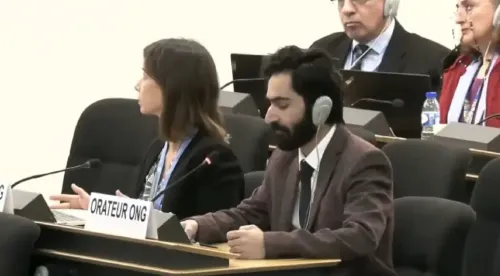
Global Human Rights Defence (GHRD) addressed the 63rd UN Human Rights Council session in Geneva on 18 September 2026 , flagging abuses in Balochistan .
BYC leaders Mahrang Baloch and Sibghatullah Shahji were sentenced to life imprisonment by a Pakistani anti-terrorism court on 22 June 2026 following what GHRD described as a secret trial with no direct evidence of violence.
UN Special Procedures had already raised concerns over the detention of Mahrang Baloch , Beebow Baloch , and Gulzadi Baloch , among others.
Families of accused individuals are reportedly being forced to sign declarations disowning relatives, with property confiscation threatened for non-compliance.
The BYC described mutilated bodies found on roadsides and characterised the situation as a “systematic policy of militarisation” rather than isolated incidents.
GHRD urged the Council and the High Commissioner for Human Rights to press Pakistan to end disappearances, disclose the fate of missing persons, and release detained defenders.
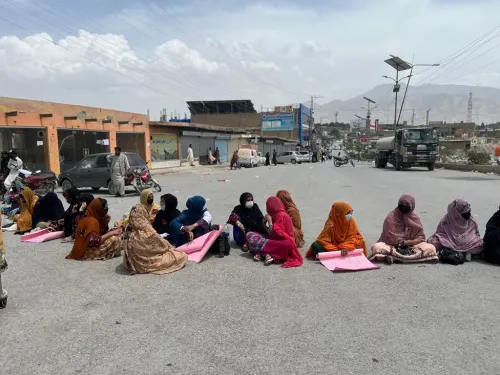
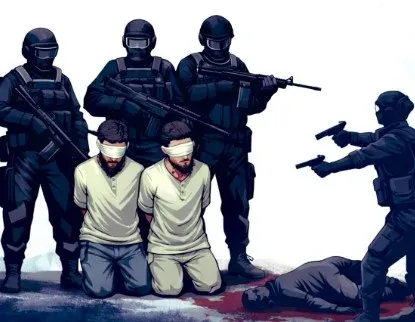
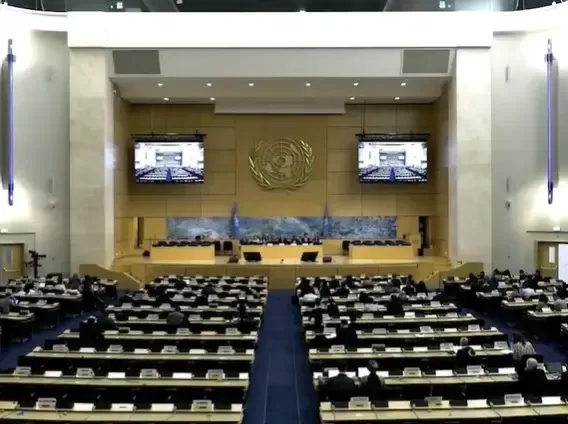
The Global Human Rights Defence (GHRD), a The Hague-based international rights organisation, on 18 September 2026 brought the human rights situation in Balochistan before the 63rd Session of the United Nations Human Rights Council in Geneva, accusing Pakistani authorities of systematically subjecting activists, students, and families of missing persons to enforced disappearances, arbitrary detention, and targeted reprisals.
The development marks a renewed push at the UN level to secure international scrutiny of conditions in the restive Pakistani province, where rights groups say abuses have escalated sharply in recent months.
What GHRD Told the UN Council
Addressing the Council, GHRD stated: “We draw the Council’s urgent attention to the human rights crisis in occupied Balochistan, where Baloch human rights defenders, students, and families of the disappeared faced enforced disappearance, arbitrary detention, and reprisals by Pakistani authorities.”
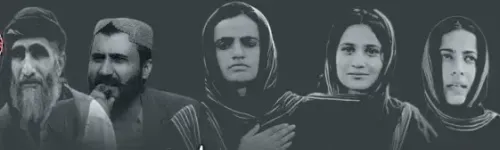
The organisation specifically highlighted concerns already raised by UN Special Procedures regarding the detention of Mahrang Baloch, Beebow Baloch, Gulzadi Baloch, and other leaders of the Baloch Yakjehti Committee (BYC). It noted that reprisals had extended beyond the detained individuals to their families.
Life Sentences After Secret Trial, GHRD Alleges
GHRD drew particular attention to the life imprisonment handed to BYC leaders Mahrang Baloch and Sibghatullah Shahji by a Pakistani anti-terrorism court on 22 June 2026. The organisation alleged the sentences followed an “expedited secret prison trial with no direct evidence presented linking them to violence.”
Pakistan has not publicly responded to the specific allegations raised at the Council session. The charges were brought under anti-terrorism statutes, according to earlier reports from the region.
Collective Punishment of Families
GHRD also flagged what it described as a practice of collective punishment targeting the relatives of those accused of militancy. According to the organisation, families are reportedly being coerced into submitting declarations that formally disown accused relatives, with anti-terrorism proceedings and property confiscation threatened for non-compliance.
“Families cannot be punished for their relatives’ alleged actions,” GHRD stated, calling the practice a violation of the principle of individual criminal responsibility.
BYC’s Account: Bodies on Roadsides, Systematic Militarisation
The GHRD statement came days after the BYC itself issued a detailed account of conditions in Balochistan, describing what it called a “systematic policy of militarisation, destroyed livelihoods, displacement, and violence against civilian life.”
The committee said mutilated bodies of Baloch civilians had been found abandoned along roadsides, calling it evidence of the “brutality and inhumanity” of ongoing violence. “Violence has become part of everyday life, with people forced to continue their daily routines around dead bodies as though they have become unnoticeable,” the BYC stated.
The BYC framed the situation not as a series of isolated incidents but as a coordinated state policy applied “together deliberately” against the civilian population.
What GHRD Is Asking the UN to Do
The organisation called on the UN Human Rights Council and the High Commissioner for Human Rights to press Pakistan to immediately end enforced disappearances and collective punishment, disclose the whereabouts and condition of all disappeared persons, guarantee fair trial standards, and release all Baloch human rights defenders detained for peaceful advocacy.
This is the latest in a string of efforts by civil society groups to internationalise the Balochistan issue at multilateral forums; whether the Council takes formal action or issues a statement will be closely watched in the weeks ahead.
Point of View
And now a formal Council address has put Pakistan’s conduct on a multilateral record. What mainstream coverage often underplays is the collective punishment angle — coercing families to sign disavowal declarations is a tactic that, if verified, would constitute a textbook violation of individual criminal responsibility under international law. The life sentences handed down in a reportedly secret trial with no direct evidence of violence will likely face scrutiny from treaty bodies. Whether Geneva translates concern into binding action, however, depends on bloc politics the Council has historically struggled to overcome where powerful allies of the accused state are involved.
NationPress
18 Sept 2026
Frequently Asked Questions
What did GHRD tell the UN Human Rights Council about Balochistan?
GHRD told the 63rd UN Human Rights Council session in Geneva on 18 September 2026 that Pakistani authorities had subjected Baloch activists, students, and families of missing persons to enforced disappearances, arbitrary detention, and reprisals. The organisation called on the Council to press Pakistan to end these practices immediately.
Why were Mahrang Baloch and Sibghatullah Shahji sentenced to life imprisonment?
Both BYC leaders were sentenced to life imprisonment by a Pakistani anti-terrorism court on 22 June 2026. GHRD alleged the sentences followed an expedited secret prison trial in which no direct evidence linking them to violence was presented; Pakistan has not publicly rebutted this specific claim.
What is collective punishment, and why is GHRD raising it in the Balochistan context?
Collective punishment refers to penalising a group for acts allegedly committed by individuals within it. GHRD alleges that Pakistani authorities are forcing families of accused militants to formally disown their relatives, threatening anti-terrorism proceedings and property confiscation for non-compliance — a practice that violates the principle of individual criminal responsibility under international law.
What has the Baloch Yakjehti Committee (BYC) said about conditions in Balochistan?
The BYC described the situation as a systematic policy combining militarisation, displacement, and violence against civilians. It reported that mutilated bodies of Baloch civilians have been found abandoned on roadsides, and said violence has become so routine that people carry out daily activities around dead bodies.
What action is GHRD asking the UN to take?
GHRD has urged the UN Human Rights Council and the High Commissioner for Human Rights to pressure Pakistan to immediately end enforced disappearances and collective punishment, disclose the fate of all disappeared persons, ensure fair trials, and unconditionally release Baloch human rights defenders detained for peaceful advocacy.