Gir lion deaths: Gujarat CM reviews crisis, 17 lions isolated amid Babesia fears

Synopsis
Four lion cubs are dead in Gujarat's Gir region, 17 lions are in isolation, and Babesia — a tick-borne parasite — is suspected in at least two deaths. With 891 Asiatic lions in the world's only wild habitat for the species, the Gujarat government is treating this as a high-alert conservation emergency, not a routine seasonal mortality event.
Key Takeaways
Gujarat CM Bhupendra Patel chaired a high-level review on 27 May over lion cub deaths in the Gir region .
Four lion cubs were found dead at different locations; 17 lions have been placed under precautionary isolation.
Babesia infection — a tick-borne parasitic disease — is suspected in two deaths ; others attributed to infighting and natural causes.
De-ticking and medical interventions have been initiated for more than 350 lions across Gir.
Veterinarians from Junagadh Veterinary College have joined the field operation; intensive monitoring covers a 10-km radius around affected areas.
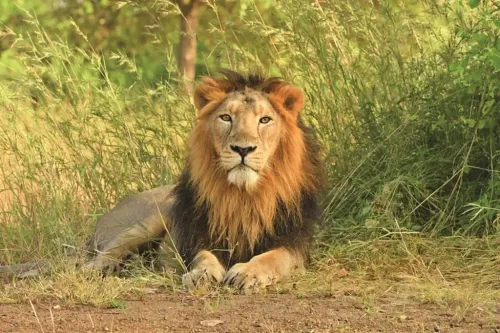
Gujarat's Asiatic lion population stands at 891 animals as per the 2025 state census — the world's only wild population of the species.
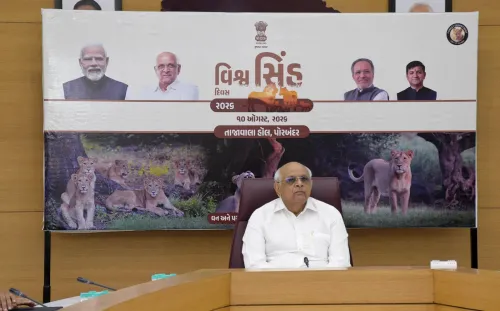
Gujarat Chief Minister Bhupendra Patel on Wednesday, 27 May chaired a high-level review meeting in Gandhinagar to assess the deaths of lion cubs in the Gir region and evaluate the Forest Department's response measures for protecting Asiatic lions — the world's only wild population of the species. The meeting came as officials confirmed four lion cub deaths at separate locations across the Gir landscape.
Key Developments
Principal Secretary, Forest and Environment, Vinod Rao, briefed the Chief Minister on the ground situation. He confirmed that 17 lions from affected areas had been placed under precautionary isolation and were under round-the-clock care by forest officials and veterinary teams. Intensive monitoring of all lions within a 10-km radius of the Gir Gadhada and Babariya areas is currently underway. Officials stated that no symptoms of any additional disease had been detected among the monitored animals so far.
Babesia Infection and Causes of Death
On Tuesday, state Forest Minister Arjun Modhwadia said two of the deaths were suspected to be linked to Babesia infection — a tick-borne parasitic disease that spreads through tick bites and is more prevalent during summer months. The remaining deaths were attributed to infighting and natural causes. Authorities have stated there is no indication of a widespread disease outbreak across the broader lion population.
Preventive Healthcare Measures
As part of seasonal preventive protocols, de-ticking operations and medical interventions have been initiated for more than 350 lions across the Gir region. Head of Forest Force and Principal Chief Conservator of Forests (Wildlife) Jaipal Singh noted that expert veterinarians from Junagadh Veterinary College had joined the operation to reinforce monitoring and treatment efforts. The Forest Department is also conducting extensive surveillance in the revenue areas of Amreli and Bhavnagar districts, with daily health reports being compiled and reviewed.
Scale of the Gir Landscape
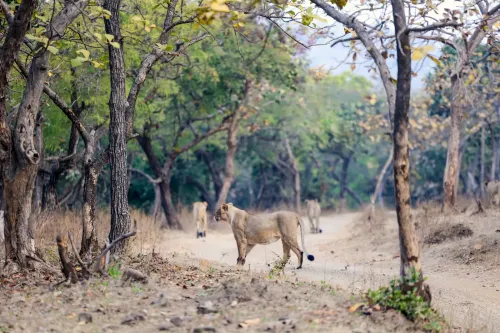
The Gir landscape, spanning the districts of Junagadh, Gir Somnath, Amreli, and Bhavnagar, is the sole natural habitat of Asiatic lions on Earth. According to the state government's latest lion census released in 2025, Gujarat's Asiatic lion population has grown to 891 animals — a figure that underscores both the conservation success and the high stakes of any disease threat. Forest officials have intensified health surveillance across Gir East and Gir West forest divisions and deployed multiple veterinary field teams.
What Comes Next
With summer conditions persisting, tick-borne disease risk remains elevated across the Gir landscape. The government's response — isolating affected animals, deploying specialist veterinarians, and scaling up de-ticking operations — signals a containment-first approach. Continued daily health reporting from Amreli and Bhavnagar districts will be critical to ruling out any wider spread beyond the currently monitored zones.
Point of View
But Gir is a single-site habitat — there is no backup population. Babesia is manageable if caught early, but the Gir landscape's tick load spikes every summer, and the 2018 canine distemper outbreak, which killed 23 lions in weeks, remains a cautionary benchmark. The government's rapid isolation and de-ticking response is the right instinct, but the real test is whether daily health surveillance can detect a cluster before it becomes a cascade. The absence of a second, geographically separate lion population — a conservation goal long recommended by wildlife experts — means every disease event in Gir carries outsized systemic risk.
NationPress
21 Oct 2026
Frequently Asked Questions
Why are lion cubs dying in Gujarat's Gir region?
Four lion cubs have been found dead at separate locations in the Gir region. Two deaths are suspected to be linked to Babesia infection, a tick-borne parasitic disease more common during summer, while the remaining deaths have been attributed to infighting and natural causes, according to state Forest Minister Arjun Modhwadia.
What is Babesia infection and why is it a threat to lions?
Babesia is a tick-borne parasitic disease transmitted through tick bites, with prevalence rising during summer months when tick activity increases. In big cats, it can cause fever, anaemia, and organ stress. Forest officials have responded with de-ticking operations for more than 350 lions across the Gir region as a preventive measure.
How many lions have been isolated and where?
17 lions from the affected areas around Gir Gadhada and Babariya have been placed under precautionary isolation and are being monitored and treated by forest officials and veterinary teams. Intensive surveillance covers all lions within a 10-km radius of those zones.
Is there a widespread disease outbreak among Gir lions?
Authorities have stated there is no indication of a widespread disease outbreak. No symptoms of additional disease have been detected among monitored animals, and daily health reports from Amreli and Bhavnagar districts are being reviewed to track the situation.
What is the current Asiatic lion population in Gujarat?
According to the state government's latest lion census released in 2025, Gujarat's Asiatic lion population has risen to 891 animals. The Gir landscape, spanning Junagadh, Gir Somnath, Amreli, and Bhavnagar districts, is the only natural habitat of Asiatic lions in the world.