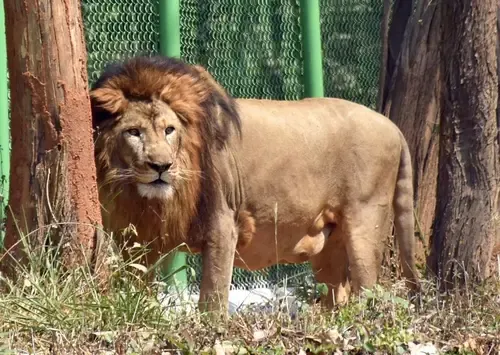
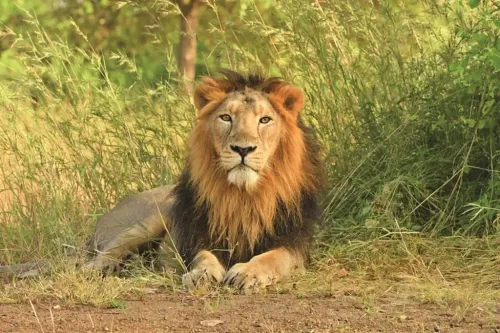
Gir lion cubs: 8 deaths in suspected babesiosis outbreak, no new cases in 48 hours
Synopsis
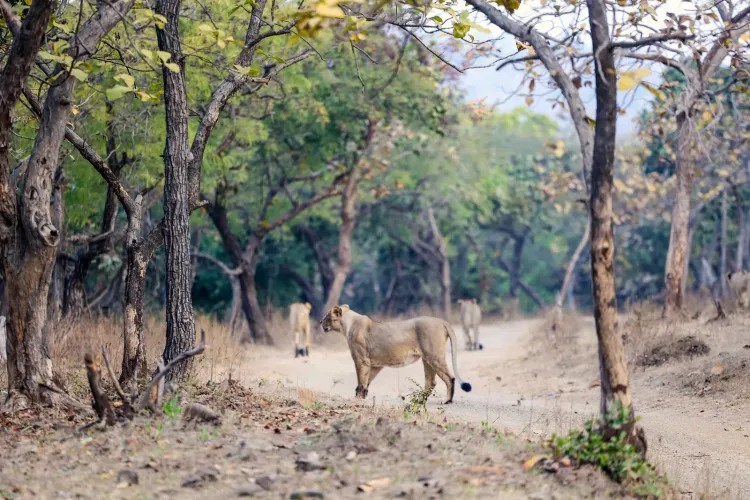
Eight lion cubs are dead in Gujarat's Gir landscape from a suspected babesiosis outbreak — the same tick-borne disease that killed more than 20 lions in 2018. With 891 Asiatic lions recorded in the 2025 census and a growing share living outside protected zones, this latest scare underlines how fragile the world's only wild Asiatic lion population remains.
Key Takeaways
Eight Asiatic lion cubs have died in suspected babesiosis cases in Gujarat's Gir landscape as of 29 May 2025 .
No new deaths linked to the suspected infection were reported in the preceding 48 hours , according to Minister Arjun Modhwadia .
Deaths occurred in revenue areas outside the protected sanctuary — in Gir Gadhada taluka and Babarkot, Amreli district .
Samples sent to the Gujarat Biotechnology Research Centre ; results expected in 3–4 days .
Lions within a 10-km radius of affected areas are isolated; de-ticking, vaccination, and treatment drives are under way.
In 2018 , more than 20 lions died in a Gir outbreak linked to canine distemper virus and babesiosis; Gujarat's 2025 census counted 891 Asiatic lions .
Eight Asiatic lion cubs in Gujarat's Gir landscape have died in suspected cases of babesiosis, state authorities confirmed on Friday, 29 May. No fresh deaths linked to the suspected tick-borne infection have been recorded in the preceding 48 hours, State Forest and Environment Minister Arjun Modhwadia said, as forest teams intensified surveillance, treatment, and de-ticking operations across the region.
Where the Deaths Occurred
The suspected cases have emerged from revenue areas outside the protected Gir sanctuary — specifically in Gir Gadhada taluka and the Babarkot area of Amreli district. These are part of the broader Greater Gir landscape, where a significant share of Gujarat's lion population now lives beyond the boundaries of formally protected forest zones.
Samples collected from the dead cubs have been dispatched to the Gujarat Biotechnology Research Centre, with laboratory results expected within three to four days.
What the Minister Said
'In the suspected Babesia-related cases, eight cub deaths have come to light. Whether these deaths occurred due to Babesia or some other reason can only be confirmed after the medical report is received,' Modhwadia said. He described the overall situation as 'under control' and confirmed that no new incident had been reported in the last two days.
'Forest department teams have been formed at the site and at other places, and all preventive measures that should be taken are being implemented,' he added. The minister also clarified that other recent lion deaths in the region were attributable to infighting, old age, or unrelated illnesses — not the suspected infection.
Response on the Ground
Veterinarians from Junagadh Veterinary College and forest department teams were deployed immediately after the deaths were reported. Lions within a 10-kilometre radius of the affected areas have been isolated and placed under observation. Active de-ticking operations are under way across Gir and surrounding regions.
Intensified disease-control measures — including vaccination, treatment, and de-ticking drives — were initiated following a high-level meeting chaired by Chief Minister Bhupendra Patel, according to forest department sources. Chief Minister Patel and the Chief Minister's Office are personally monitoring the situation, the minister noted. Expert assistance, including from the Union government and wildlife specialists associated with Vantara, would be sought if required, he said.
What Is Babesiosis
Babesiosis is a tick-borne parasitic disease that infects red blood cells, causing weakness, coughing, nasal discharge, and severe anaemia in animals. It poses a particular threat to large felids in landscapes where tick populations are high and animals range across unprotected revenue land with limited veterinary oversight.
Historical Context and Conservation Stakes
The suspected outbreak has revived serious concerns about wildlife disease management in the Gir ecosystem — the world's only natural habitat of the Asiatic lion. In 2018, more than 20 lions in the Gir region died following an outbreak linked to canine distemper virus (CDV) and babesiosis, a tragedy that prompted national-level scrutiny of the species' vulnerability to disease.
The 2025 lion census recorded 891 Asiatic lions in Gujarat, a population milestone — but one that also reflects the growing pressure of lions spilling into unprotected revenue areas where disease surveillance is harder to maintain. Round-the-clock monitoring has now been extended to vulnerable forest ranges and adjoining revenue zones.
Point of View
The same geography and the same pathogen are back in the frame. The 2025 census figure of 891 lions is a conservation headline, but it masks a structural risk: more lions in revenue areas means more exposure to ticks, livestock, and limited veterinary reach. The real question authorities must answer is not whether this outbreak is 'under control' today, but whether the disease-response architecture has genuinely improved since 2018 — or whether the response is again reactive rather than preventive.
NationPress
25 Sept 2026
Frequently Asked Questions
How many Gir lion cubs have died in the babesiosis outbreak?
Eight lion cubs in Gujarat's Gir landscape have died in suspected babesiosis cases, according to State Forest and Environment Minister Arjun Modhwadia. The deaths occurred in revenue areas outside the protected Gir sanctuary, particularly in Gir Gadhada taluka and Babarkot in Amreli district.
Has the cause of death been confirmed as babesiosis?
No. As of 29 May, babesiosis is only suspected. Samples from the dead cubs have been sent to the Gujarat Biotechnology Research Centre, with laboratory confirmation expected within three to four days.
What is babesiosis and why is it dangerous to lions?
Babesiosis is a tick-borne parasitic disease that infects red blood cells, causing weakness, coughing, nasal discharge, and severe anaemia. It is particularly dangerous to Asiatic lions, which are a single, geographically concentrated population — making any infectious outbreak a species-level risk.
Has Gir seen a similar disease outbreak before?
Yes. In 2018, more than 20 lions in the Gir region died in an outbreak linked to canine distemper virus (CDV) and babesiosis. That episode prompted national scrutiny of disease management in the ecosystem and led to calls for better surveillance infrastructure.
What steps are authorities taking to contain the outbreak?
Forest department teams and veterinarians from Junagadh Veterinary College have been deployed. Lions within a 10-kilometre radius of affected areas are isolated and under observation. De-ticking, vaccination, and treatment drives are under way, and round-the-clock surveillance has been extended to vulnerable forest ranges and adjoining revenue areas.