NEET paper leak: Gaurav Gogoi demands Centre's accountability on exam row
Synopsis
Congress MP Gaurav Gogoi has escalated the NEET paper leak row, accusing the Centre of democratic silence on a crisis that has shaken student confidence in India's biggest medical entrance exam — and widening the attack to include UPSC and CBSE. With no credible government response in sight, the controversy is fast becoming a broader referendum on institutional accountability.
Key Takeaways
Gaurav Gogoi , Assam Pradesh Congress Committee President and Lok Sabha MP, attacked the Centre on 25 June over the alleged NEET paper leak .
Gogoi alleged the government had provided no satisfactory answers to students and families affected by the controversy.
He broadened his criticism to include alleged accountability failures at UPSC and CBSE .
Groups cited as affected include farmers , Agniveers , women students , and exam-controversy candidates.
Congress said it would continue pressing for transparent and credible mechanisms to restore public trust in examination systems.
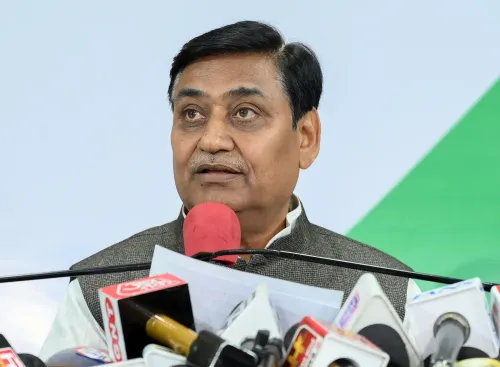
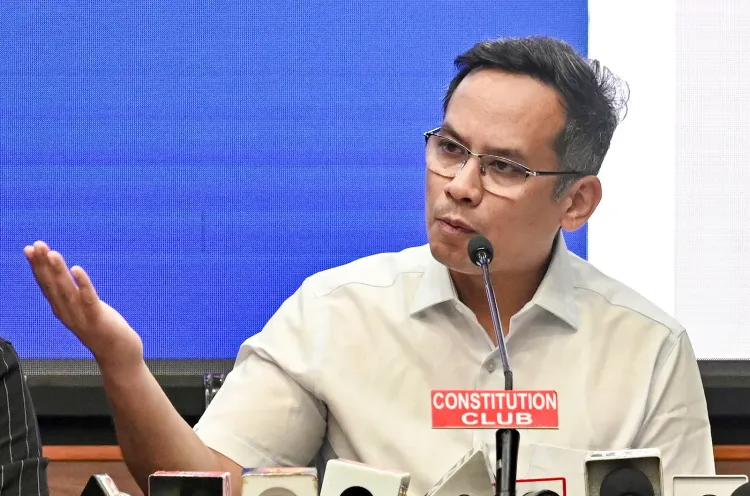
Gaurav Gogoi, President of the Assam Pradesh Congress Committee and Lok Sabha MP, on Thursday, 25 June launched a sharp attack on the Centre over alleged irregularities in the National Eligibility-cum-Entrance Test (NEET), accusing the government of failing to answer legitimate concerns raised by students and their families across the country.
What Gogoi Said
Addressing reporters in New Delhi, Gogoi alleged that the Centre had not provided satisfactory responses to questions surrounding the alleged NEET paper leak and the broader handling of the controversy. He argued that accountability is a foundational requirement in any functioning democracy.
'If the government is unwilling to respond to genuine public concerns, it must explain its commitment to democratic accountability,' Gogoi said.
He maintained that the Congress would continue pressing the government on examination integrity and recruitment processes until credible answers were forthcoming.
Broader Concerns Beyond NEET
Gogoi widened his criticism beyond NEET, alleging that repeated lapses in competitive examinations had eroded public confidence in the institutions responsible for conducting them. He cited concerns related to the Union Public Service Commission (UPSC) and the Central Board of Secondary Education (CBSE), arguing that institutional accountability had been absent in addressing aspirants' grievances.
The Congress leader also flagged what he described as unresolved challenges facing farmers, Agniveers, women students, and candidates affected by exam-related controversies — groups he said required greater government responsiveness rather than, in his words, 'silence on matters of public importance.'
Congress's Stated Position
Reiterating the party's stand, Gogoi said the opposition would persist in raising issues concerning examination integrity, recruitment processes, and democratic accountability. He urged the Centre to address student and public concerns through what he called 'transparent and credible mechanisms.'
He stressed that governments must remain answerable to citizens, particularly on matters directly affecting students' futures and employment opportunities.
Context and Background
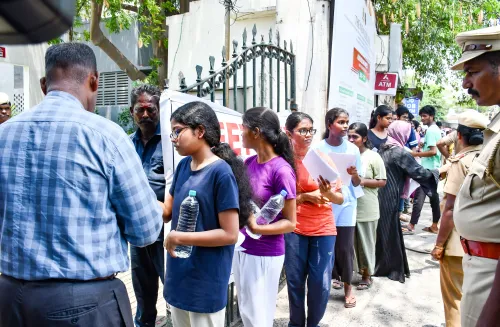
The NEET controversy has drawn sustained political and public attention, with allegations of paper leaks and procedural lapses triggering protests by students and demands for a Central Bureau of Investigation (CBI) probe from multiple opposition parties. This comes amid a wider pattern of scrutiny over the integrity of high-stakes national examinations, with similar concerns having surfaced around other competitive tests in recent years. The government has previously stated that it is taking steps to address irregularities, though critics argue those assurances have not been backed by sufficient transparency.
With the academic calendar and medical admissions cycle under pressure, the coming weeks are likely to see continued political and judicial attention on the NEET dispute.
Point of View
CBSE, Agniveer, and farmer grievances, Congress is constructing a unified 'institutional failure' narrative ahead of any electoral cycle. But the opposition's credibility on this issue depends on specificity: demands for 'accountability' without a concrete legislative or judicial ask risk sounding performative. The deeper problem is structural — India's high-stakes exam architecture, built for a different era, is under enormous scale pressure, and no party has yet offered a systemic fix. The NEET row is a symptom; the disease is an examination infrastructure that has not kept pace with the number of aspirants it now serves.
NationPress
24 Sept 2026
Frequently Asked Questions
What did Gaurav Gogoi say about the NEET paper leak?
Gogoi alleged that the Centre had failed to provide satisfactory answers on the NEET paper leak controversy and accused the government of lacking democratic accountability. He said Congress would continue to raise the issue until transparent and credible responses were forthcoming.
Which institutions did Gogoi criticise beyond NEET?
Beyond NEET, Gogoi alleged accountability failures at the Union Public Service Commission (UPSC) and the Central Board of Secondary Education (CBSE), arguing that aspirants' grievances had gone unaddressed across multiple examination bodies.
Who are the groups Gogoi says are affected?
Gogoi cited farmers, Agniveers, women students, and candidates affected by exam-related controversies as groups facing unresolved challenges that require greater government responsiveness.
What is Congress's demand from the Centre on NEET?
Congress has urged the Centre to address student and public concerns through transparent and credible mechanisms, with Gogoi stressing that governments must remain answerable to citizens on matters affecting students' futures and employment.
What is the background to the NEET controversy?
The NEET controversy centres on allegations of paper leaks and procedural lapses in India's premier medical entrance examination, triggering student protests and opposition demands for a CBI probe. The dispute has intensified scrutiny of the integrity of high-stakes national examinations more broadly.