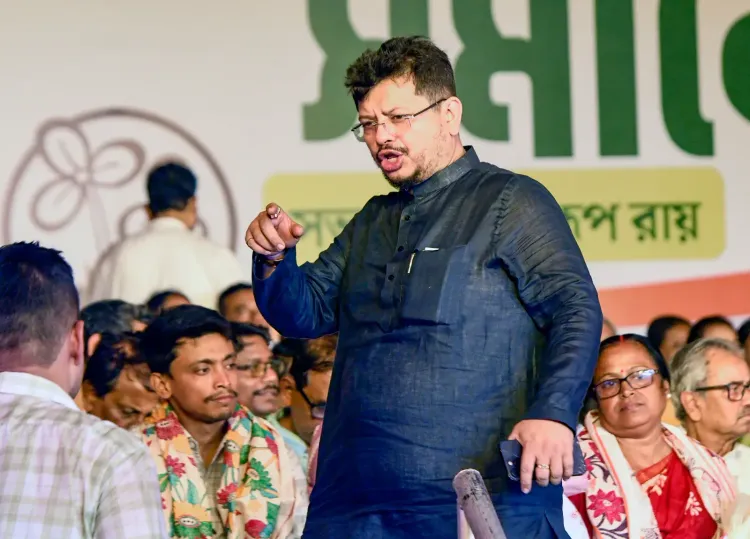
Bengal LoP Ritabrata Banerjee backs exam bill, demands NEET leak probe
Synopsis
West Bengal's LoP Ritabrata Banerjee crossed political lines to back the Centre's tough new exam-integrity bill — but paired his support with a pointed demand: explain why the NEET-UG leak happened at all. With ₹10 crore penalties and fast-track courts on the table, Parliament still couldn't debate the bill, adjourned over a separate row on police action in Delhi.
Key Takeaways
Ritabrata Banerjee , West Bengal LoP and TMC rebel faction leader, backed the Public Examinations (Prevention of Unfair Means) Amendment Bill, 2026 on 27 July .
He urged the BJP -led Centre to explain why the NEET-UG paper leak occurred and triggered mass protests.
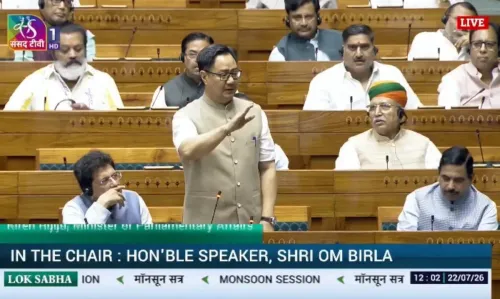
Union Minister Jitendra Singh introduced the Bill in the Lok Sabha ; 91 amendments were moved.
The Bill imposes penalties of up to ₹10 crore on organised paper-leak networks and mandates two-month investigation deadlines .
Special Fast Track Courts are designated under the amended legislation.
No debate took place as the Lok Sabha was adjourned over Opposition protests on police action in Delhi .
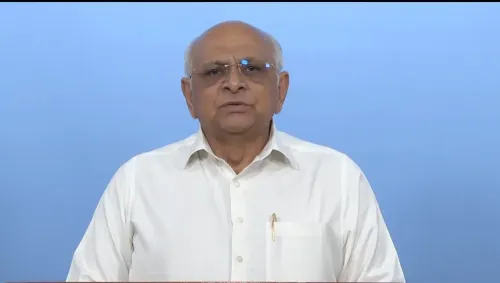
West Bengal Leader of the Opposition Ritabrata Banerjee, who heads the rebel but majority faction of the All India Trinamool Congress (TMC), on Monday, 27 July voiced support for the Public Examinations (Prevention of Unfair Means) Amendment Bill, 2026, while pressing the Centre to explain why the NEET-UG question paper leak occurred in the first place.
Banerjee's Position on the Bill
Banerjee said the legislation was framed in the right spirit and welcomed its stringent provisions. However, he argued that the Bharatiya Janata Party (BJP) government at the Centre must introspect on the circumstances that allowed such a large-scale leak to happen and triggered a massive public movement. He emphasised that the government must ensure a robust law is enacted with strong deterrents so that similar crises do not recur, making future use of stringent measures unnecessary.
What the Amendment Bill Proposes
Union Minister Jitendra Singh introduced the Bill in the Lok Sabha on Monday. The legislation significantly toughens penalties established under the 2024 Act, introduces mandatory two-month investigation deadlines, designates Special Fast Track Courts for trial, and imposes steep financial penalties of up to ₹10 crore on organised crime networks involved in paper leaks.
Parliament Proceedings Disrupted
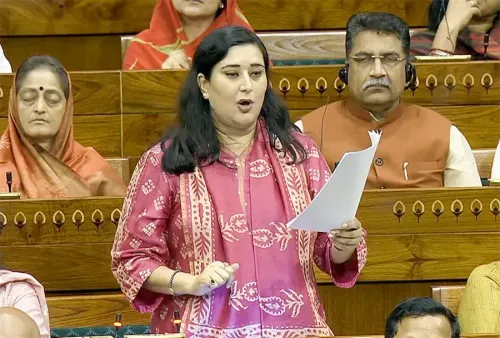
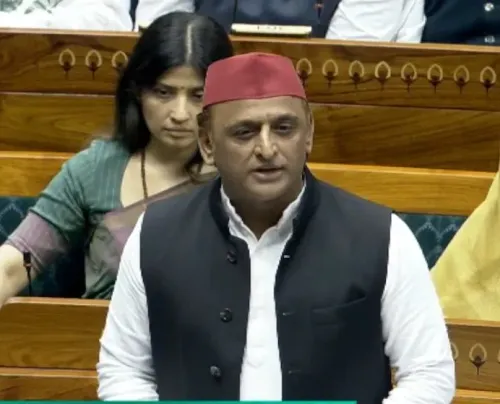
Lok Sabha Speaker Om Birla had offered a dedicated six-hour window for comprehensive debate, noting that 91 amendments had been moved to the Bill. However, no discussion took place as the House was adjourned for the day amid Opposition protests demanding a government statement on the use of police force against demonstrators in Delhi.
Context: NEET Controversy and Public Anger
The Bill comes in the wake of the NEET-UG 2024 paper leak scandal, which triggered widespread student protests across India and raised serious questions about the integrity of centrally conducted competitive examinations. Banerjee's support is notable given that he leads a faction at odds with the mainstream TMC leadership, and his backing crosses party lines on what he described as a matter of national importance. This is not the first time exam irregularities have prompted legislative action — the original 2024 Act was itself a response to recurring malpractice — but the 2026 amendment represents a sharper escalation in penal provisions.
With the Bill yet to be debated in Parliament, its passage and eventual implementation will be closely watched by students, educators, and examination bodies across the country.
Point of View
He is demanding accountability for the disease. The NEET-UG leak exposed systemic failure in examination infrastructure, and a tougher penalty regime, while necessary, does not answer how organised networks penetrated a centrally administered process in the first place. Parliament's failure to even debate the bill on its introduction day — adjourned over an unrelated row — underscores how legislative urgency and political theatre continue to work at cross-purposes on issues that directly affect millions of students.
NationPress
26 Oct 2026
Frequently Asked Questions
What is the Public Examinations (Prevention of Unfair Means) Amendment Bill, 2026?
It is a legislation introduced in the Lok Sabha on 27 July by Union Minister Jitendra Singh that toughens penalties under the 2024 Act. Key provisions include financial penalties of up to ₹10 crore for organised paper-leak networks, mandatory two-month investigation deadlines, and the designation of Special Fast Track Courts.
Why did Ritabrata Banerjee support the bill despite being from the Opposition?
Banerjee said the bill was framed in the right spirit and welcomed its stringent provisions. He argued that strong legislation is necessary to prevent future paper leaks, though he simultaneously demanded the Centre explain how the NEET-UG leak was allowed to happen.
What is Ritabrata Banerjee's political position in West Bengal?
Ritabrata Banerjee is the Leader of the Opposition in the West Bengal Assembly and leads the rebel but majority faction of the All India Trinamool Congress (TMC), placing him in a distinct political position from the mainstream TMC leadership.
Why was the Lok Sabha unable to debate the exam bill on 27 July?
The House was adjourned for the day due to Opposition protests demanding a government statement on the use of police force against demonstrators in Delhi. Speaker Om Birla had set aside a six-hour window for debate, but proceedings could not proceed.
What triggered the push for this legislation?
The bill follows the NEET-UG 2024 paper leak scandal, which sparked widespread student protests across India and exposed serious vulnerabilities in the conduct of centrally administered competitive examinations. The 2026 amendment builds on the earlier 2024 Act with significantly steeper penalties.