Anti-paper leak bill 2026: Gujarat CM Bhupendra Patel backs Parliament's passage
Synopsis
Parliament's passage of the anti-paper leak Amendment Bill 2026 is a direct legislative response to the NEET-UG 2026 crisis. With fast-track courts, stiffer jail terms, and tech-based safeguards now on the statute books, the government is betting that deterrence — not just process reform — can restore credibility to India's battered public examination system.
Key Takeaways
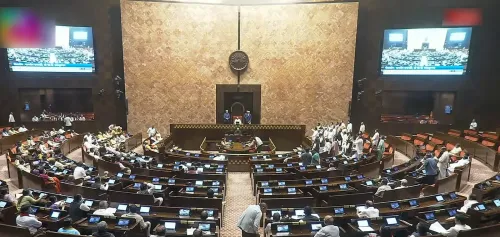
Parliament passed the Public Examinations (Prevention of Unfair Means) Amendment Bill, 2026 on 31 July .
The Bill was introduced in the Lok Sabha on 27 July , partly triggered by the cancellation of NEET-UG 2026 .
The law introduces special fast-track courts , time-bound trials, higher fines, and stiffer imprisonment terms for examination fraud.
It covers exams conducted by UPSC, SSC, RRBs, IBPS, NTA and other notified authorities.
Gujarat CM Bhupendra Patel and PM Narendra Modi both welcomed the legislation, citing a 'Merit First' commitment.
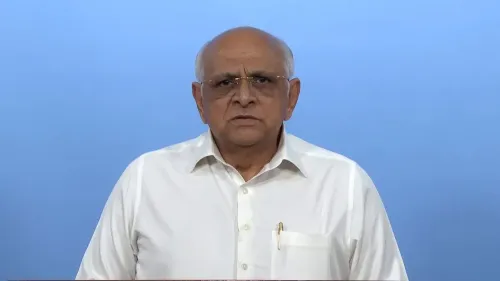
Gujarat Chief Minister Bhupendra Patel on Friday, 31 July welcomed Parliament's approval of the Public Examinations (Prevention of Unfair Means) Amendment Bill, 2026, calling it a landmark step in defending the futures of millions of students and job aspirants across India. Patel said the law embodies Prime Minister Narendra Modi's conviction that the country's youth are the 'true architects of a New India' and will anchor a merit-first examination ecosystem.
What the Amendment Bill Introduces
The legislation strengthens the Public Examinations (Prevention of Unfair Means) Act, 2024, which was enacted following a wave of paper leak scandals. The amended law introduces stricter imprisonment terms, substantially higher financial penalties, special fast-track courts, and time-bound trials to expedite justice in examination fraud cases. Technology-driven security measures have also been mandated to harden the integrity of public examinations against organised malpractice networks.
The Bill was first introduced in the Lok Sabha on 27 July, partly in response to the cancellation and re-conduct of the NEET-UG 2026 examination — an episode that triggered widespread student protests and political scrutiny over the robustness of national-level testing infrastructure.
Agencies Covered Under the Law
The amended Act covers major competitive examinations conducted by the Union Public Service Commission (UPSC), Staff Selection Commission (SSC), Railway Recruitment Boards (RRBs), Institute of Banking Personnel Selection (IBPS), National Testing Agency (NTA), and all other notified examination authorities. This effectively places the country's most high-stakes public recruitment tests under a unified, tightened legal shield.
What Gujarat's Chief Minister Said
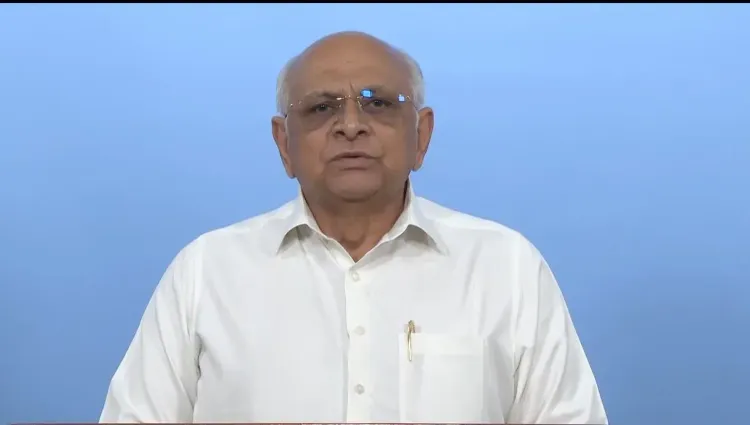
In a video message issued after the Bill's passage, Chief Minister Patel said the law would impose 'strict punishment on those involved in paper leak rackets through stringent penalties, hefty fines, speedy trials by fast-track courts and technology-driven safeguards.' He added that 'these provisions are expected to make the public examination system more transparent, secure, and trustworthy.'
Patel also framed the legislation within the broader national vision, stating that it aligns with 'Viksit Bharat @ 2047' and the spirit of the 'Amrit Kaal', ensuring equal, merit-based opportunities for every aspirant. He reaffirmed Gujarat's commitment to the 'Merit First' principle, pledging continued state-level efforts to build a transparent recruitment system.
PM Modi's Response and the Broader Context
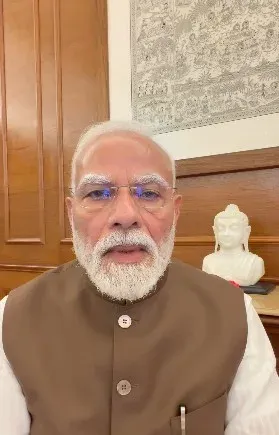
Prime Minister Narendra Modi separately welcomed Parliament's approval, saying the legislation would help build a 'more credible examination system' and ensure that 'paper leak mafias are dealt with firmly.' This comes amid persistent public concern over examination integrity — the NEET-UG 2026 controversy being the most recent and politically charged instance, following earlier disruptions to examinations conducted by the NTA and SSC in preceding years.
Critics and opposition parties have argued that legislative amendments alone are insufficient without systemic reform of the agencies that conduct these examinations. The real test of the new law, observers note, will be the speed and consistency with which fast-track courts are operationalised and penalties enforced. With the next round of major competitive examinations approaching, the government faces pressure to demonstrate that the amended framework delivers tangible deterrence.
Point of View
Following the NEET-UG 2026 debacle, signals political urgency more than systemic planning. Fast-track courts are a welcome addition on paper, but India's experience with such courts across other domains shows uneven operationalisation. The deeper problem — structural vulnerabilities within agencies like the NTA — remains unaddressed by penal provisions alone. Tougher punishment deters only if prosecution is swift and certain; neither has historically been guaranteed in examination fraud cases.
NationPress
15 Sept 2026
Frequently Asked Questions
What is the Public Examinations (Prevention of Unfair Means) Amendment Bill, 2026?
It is a parliamentary amendment to the 2024 anti-paper leak law, passed on 31 July 2026, introducing stricter jail terms, higher financial penalties, special fast-track courts, and technology-based security measures to combat examination fraud. It was introduced in the Lok Sabha on 27 July, partly in response to the NEET-UG 2026 controversy.
Which examinations does the new anti-paper leak law cover?
The law covers major public examinations conducted by the UPSC, SSC, Railway Recruitment Boards, IBPS, NTA, and all other notified examination authorities. This includes most high-stakes national recruitment and entrance tests.
What new punishments does the amendment introduce?
The amendment substantially increases imprisonment terms and financial penalties for individuals and organised groups involved in examination malpractice. It also mandates special fast-track courts and time-bound trials to ensure speedier justice.
Why was the NEET-UG 2026 examination cancelled?
The NEET-UG 2026 examination was cancelled and re-conducted following concerns over examination malpractices, according to official statements cited in Parliament during the Bill's introduction. The episode was one of the key triggers for the legislative amendment.
What did Gujarat CM Bhupendra Patel say about the new law?
Chief Minister Patel described the legislation as a historic step, saying it would impose strict punishment on paper leak rackets through hefty fines, fast-track courts, and technology-driven safeguards. He reaffirmed Gujarat's commitment to a 'Merit First' examination and recruitment system.