Rajya Sabha passes Anti-Paper Leak Bill with ₹10 crore penalty
Synopsis
Parliament has completed its approval of India's toughest anti-paper-leak law yet — one that raises financial penalties to ₹10 crore and mandates fast-track courts. With 52 FIRs already filed under the original 2024 Act, the amended Bill is the government's sharpest legislative response to a crisis that has shaken student confidence in India's entire public examination system.
Key Takeaways
The Rajya Sabha passed the Public Examinations (Prevention of Unfair Means) Amendment Bill on 30 July , completing Parliamentary approval.
The financial penalty for examination malpractice has been raised to ₹10 crore , with provisions for imprisonment and fast-track trials.
52 FIRs have been registered since the original 2024 Act came into force, according to Union Minister Jitendra Singh .
The Lok Sabha had passed the Bill on Wednesday after a nearly seven-hour debate.
A task force under Nandan Nilekani has been constituted to address structural issues at the National Testing Agency (NTA) .
The Bill now awaits presidential assent before its provisions can be notified and enforced.
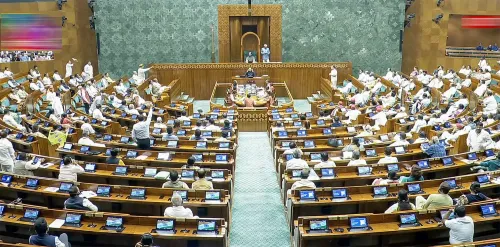
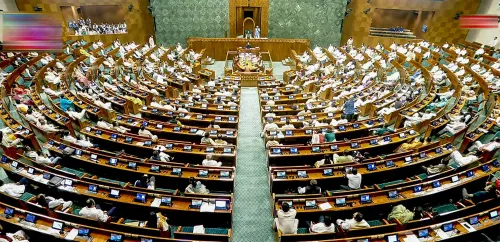
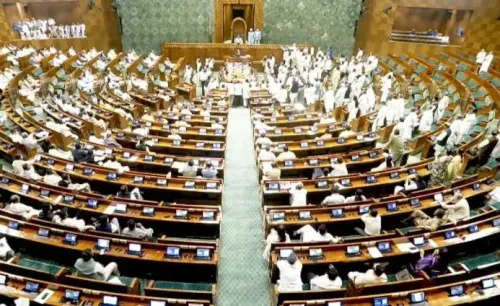
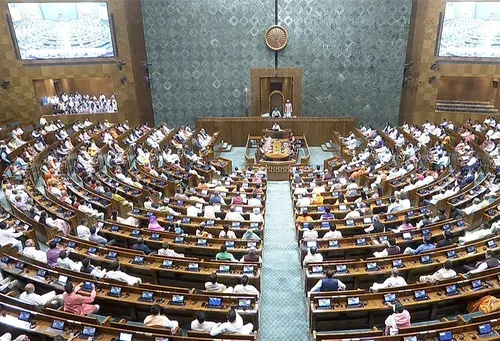
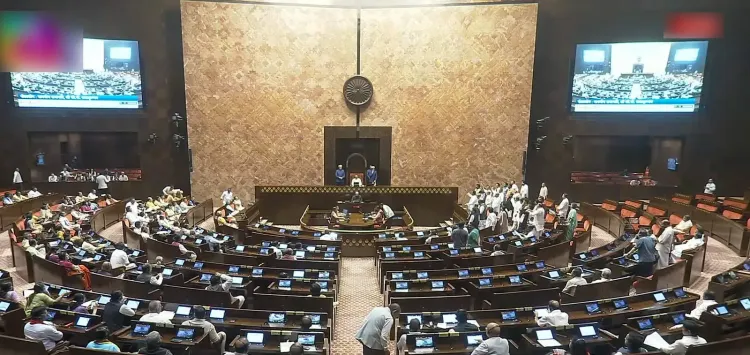
The Rajya Sabha on Thursday, 30 July passed the Public Examinations (Prevention of Unfair Means) Amendment Bill, completing Parliament's approval of legislation designed to crack down on paper leaks in public examinations through steeper penalties, designated courts, and time-bound trials. The Bill now awaits presidential assent before becoming law.
Key Provisions of the Amended Bill
The most significant change in the amended legislation is the enhancement of the financial penalty to ₹10 crore, alongside provisions for imprisonment and fast-track judicial proceedings. The government has framed these measures as a direct assault on what it describes as the 'paper-leak mafia' — organised networks that compromise high-stakes national examinations.
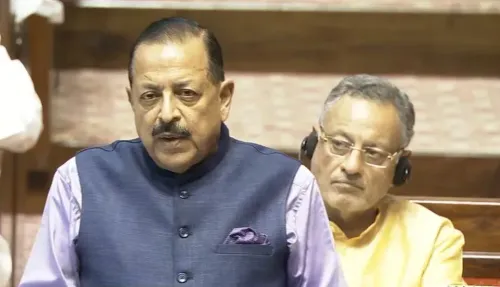
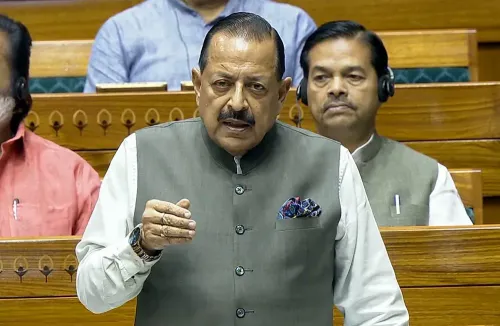
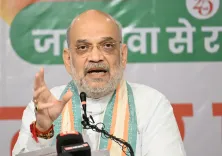
Union Minister Jitendra Singh, who holds charge of Personnel, Public Grievances and Pensions, introduced and piloted the Bill in the Upper House. He informed the House that 52 FIRs had been registered since the original Act came into force and that suicides linked to paper leaks had reportedly declined since then.
Parliamentary Debate and Opposition Criticism
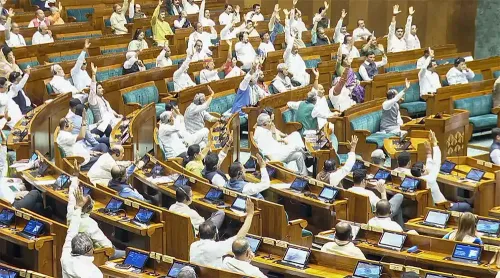
The Bill had already cleared the Lok Sabha on Wednesday following a nearly seven-hour debate. In the Rajya Sabha, the discussion drew sharp exchanges from both sides of the aisle. Opposition members trained their criticism on the National Testing Agency (NTA), demanding structural reforms and greater accountability from examination-conducting bodies.
Treasury benches, in response, pointed to a series of corrective steps taken by the government: the resignation of the former Education Minister, the constitution of a task force under technology entrepreneur Nandan Nilekani, and the swift cancellation and re-conduct of examinations found to be compromised.
Why This Bill Matters
The legislation is an amendment to the 2024 Public Examinations (Prevention of Unfair Means) Act, itself a response to a wave of paper-leak scandals that rattled competitive examination systems across India. Minister Singh noted that the amendments reflect the government's willingness to learn from the experience of administering the original law.
Notably, paper leak controversies — spanning medical entrance tests, railway recruitment, and state-level exams — have in recent years triggered student protests, court interventions, and a broader crisis of confidence in India's examination infrastructure. This is the government's most comprehensive legislative response to date.
What Happens Next
With both Houses having cleared the Bill, the government is expected to notify the amended provisions at the earliest after presidential assent. The ruling side is projecting the legislation as a comprehensive answer to recurring examination malpractices, while the Opposition continues to press for broader systemic reforms in how public examinations are designed, conducted, and audited.
Point of View
But the harder question is whether higher penalties alone can fix a systemic failure. Paper leaks in India have persisted across governments, examination bodies, and states — suggesting the rot is structural, not merely penal. The Nilekani task force is a credible signal, but its mandate and timelines remain undefined in the public domain. Until the NTA's internal audit trail, question-paper printing protocols, and third-party oversight are overhauled, a ₹10 crore fine risks being a deterrent on paper only — much like the original 2024 Act, which registered 52 FIRs but did not prevent fresh controversies.
NationPress
14 Sept 2026
Frequently Asked Questions
What is the Public Examinations (Prevention of Unfair Means) Amendment Bill?
It is an amendment to the 2024 Public Examinations (Prevention of Unfair Means) Act, passed by both Houses of Parliament in July 2025, that strengthens India's legal framework against paper leaks in public examinations. Key changes include raising the financial penalty to ₹10 crore and introducing designated courts for fast-track trials.
What penalty does the new anti-paper leak law impose?
The amended law raises the financial penalty for examination malpractice to ₹10 crore. It also provides for imprisonment and mandates time-bound trials through designated courts, making it significantly stricter than the original 2024 legislation.
Why did the Opposition criticise the Bill?
Opposition members criticised the National Testing Agency (NTA) and demanded broader structural reforms in how public examinations are conducted and audited. They argued that higher penalties alone are insufficient without deeper accountability mechanisms for examination-conducting bodies.
What steps has the government already taken on paper leak issues?
The government cited the resignation of the former Education Minister, the constitution of a task force under Nandan Nilekani, and the cancellation and re-conduct of compromised examinations as corrective measures taken ahead of and alongside the legislative changes.
When will the amended law come into effect?
The Bill must first receive presidential assent. Once assented to, the government is expected to notify the amended provisions at the earliest, after which the enhanced penalties and fast-track court provisions will become enforceable.