Anti-paper leak Amendment Bill introduced in Rajya Sabha, debate begins
Synopsis
Just a year after India's first anti-paper leak law, the Centre is back in Parliament with amendments — citing 52 FIRs and a reported decline in exam-linked suicides as proof of early impact. The speed of the follow-up legislation signals the government knows the 2024 framework had gaps, even as students and Opposition demand more accountability.
Key Takeaways
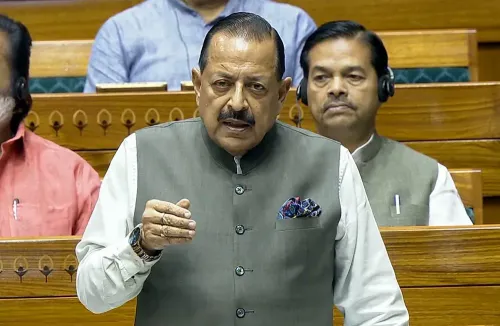
Jitendra Singh introduced the Public Examinations (Prevention of Unfair Means) Amendment Bill in the Rajya Sabha on 30 July .
The Lok Sabha had passed the bill on Wednesday after approximately nine hours of debate.
52 FIRs have been registered since the original 2024 anti-paper leak law came into force, according to the minister.
The government says suicides linked to paper leaks declined after the 2024 legislation.
Congress President Mallikarjun Kharge is leading the Opposition's response in the Upper House debate, expected to run approximately seven hours .
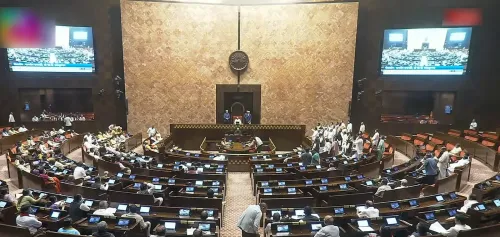
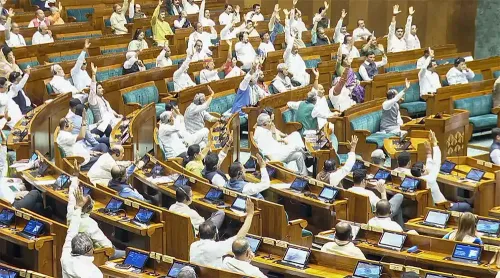
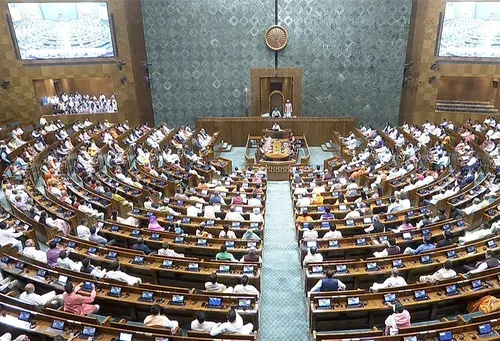
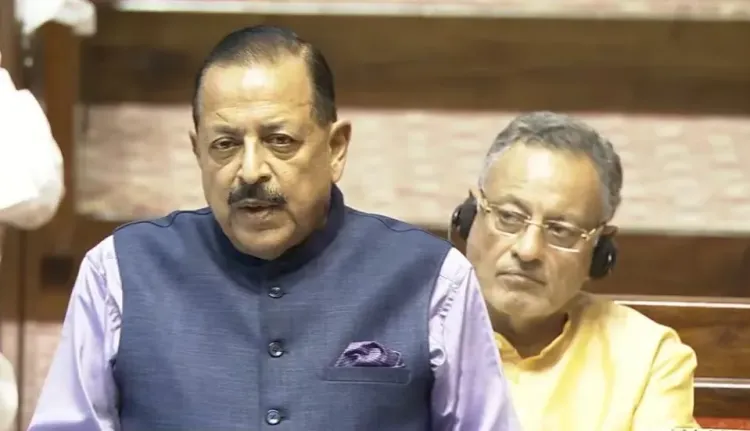
Union Minister Jitendra Singh on Thursday, 30 July introduced the Public Examinations (Prevention of Unfair Means) Amendment Bill in the Rajya Sabha, taking the legislation a step closer to becoming law after the Lok Sabha passed it the previous day following a debate of approximately nine hours. The bill seeks to tighten the existing legal framework against paper leaks in public examinations.
Key Provisions and Government's Stand
Introducing the bill, Jitendra Singh said the proposed amendments reflected the government's willingness to 'learn from experience' following the implementation of the 2024 anti-paper leak law. He informed the Upper House that 52 FIRs had been registered since the original legislation came into force, and noted that suicides linked to paper leaks had declined after the earlier law's enactment.
The government has positioned the amendments as a direct response to practical challenges encountered during the rollout of the 2024 law, with the stated aim of making the anti-cheating framework more effective and enforceable.
Rajya Sabha Debate Underway
A discussion on the bill in the Upper House is expected to last approximately seven hours, with members from multiple parties set to present their views on the proposed amendments and the broader question of examination integrity. Congress President Mallikarjun Kharge was participating in the debate on behalf of his party.
Before formal discussion progressed, Rajya Sabha Chairman Radhakrishnan cited Rules 235 and 238, urging members to avoid 'running commentary' during proceedings and calling for disciplined debate. A brief procedural exchange over time allocation for the Leader of Opposition was resolved after the Chairman assured that additional time would be provided if genuinely required. Minister of Parliamentary Affairs Kiren Rijiju noted that the Leader of Opposition and Leader of the House are always accorded due respect in such matters.
Legislative Background
The amendment builds on the original Public Examinations (Prevention of Unfair Means) Act, 2024, which was enacted in the wake of widespread public outrage over alleged irregularities in competitive examinations including NEET-UG and NET. The 2024 law introduced stringent penalties for paper leaks, impersonation, and other forms of malpractice in public examinations conducted by central agencies.
This is the second legislative intervention in roughly a year on examination integrity — a signal that the government acknowledges the original framework had gaps that required statutory correction rather than administrative adjustment alone.
What Happens Next
If passed by the Rajya Sabha, the bill will require Presidential assent before it becomes law. The detailed parliamentary debate is expected to surface Opposition concerns about the scope of provisions, enforcement mechanisms, and whether the amendments go far enough to protect students from systemic examination fraud. The government has maintained that the changes will meaningfully curb paper leaks going forward.
Point of View
Not a verdict; conviction rates and the nature of those cases matter far more. The government's claim that exam-linked suicides have declined is significant if verifiable, but no independent data has been cited. More fundamentally, paper leaks in India are a symptom of a broken examination infrastructure — outsourced printing, opaque logistics, underpaid invigilators — that amendments alone cannot fix without parallel administrative reform.
NationPress
13 Sept 2026
Frequently Asked Questions
What is the Public Examinations (Prevention of Unfair Means) Amendment Bill?
It is a legislative amendment to the 2024 anti-paper leak law, introduced in the Rajya Sabha on 30 July by Union Minister Jitendra Singh. The bill seeks to further tighten provisions against unfair means in public examinations, addressing gaps identified during the implementation of the original law.
Why has the government brought this amendment so soon after the 2024 law?
The government has stated the amendments reflect lessons 'learned from experience' during the rollout of the 2024 legislation. Practical challenges in enforcement prompted the statutory revision rather than administrative fixes alone.
How many FIRs have been filed under the 2024 anti-paper leak law?
According to Union Minister Jitendra Singh, 52 FIRs have been registered since the original Public Examinations (Prevention of Unfair Means) Act, 2024 came into force.
Who is leading the Opposition debate on the bill in the Rajya Sabha?
Congress President Mallikarjun Kharge is participating in the Rajya Sabha debate on behalf of the Congress party. The debate in the Upper House is expected to last approximately seven hours.
What happens after the Rajya Sabha debates the bill?
If the Rajya Sabha passes the bill, it will be sent for Presidential assent before becoming law. The bill had already been passed by the Lok Sabha on Wednesday after roughly nine hours of debate.