CM Bhupendra Patel backs fast-track courts for paper leaks
Synopsis
Gujarat Chief Minister Bhupendra Patel on 23 July 2026 backed PM Narendra Modi's decision to form fast-track courts for paper-leak cases, saying it will ensure swift punishment for those who compromise students' futures and restore faith in India's examination system.
Key Takeaways
CM Bhupendra Patel publicly endorsed PM Narendra Modi 's decision to constitute fast-track courts specifically for paper-leak cases.
Fast-track courts are intended to deliver swift and stringent punishment to those who leak or trade in examination papers.
The move builds on the Public Examinations (Prevention of Unfair Means) Act, 2024 , which already introduced strict penalties for exam malpractice.
Recurring paper-leak controversies in exams such as NEET and JEE had severely dented student trust in India's merit-based selection system.
The government's broader strategy also includes digitisation of exam processes and enhanced monitoring mechanisms across states.
State-level notifications for operationalising fast-track courts will be a key indicator of implementation speed and seriousness.
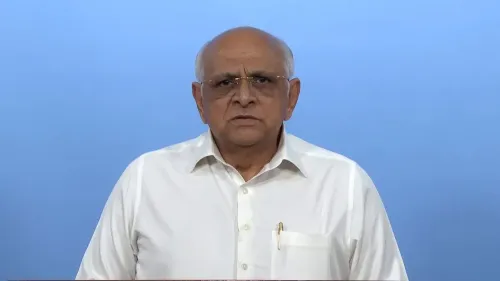
Gujarat Chief Minister Bhupendra Patel on Thursday, 23 July 2026, voiced strong support for Prime Minister Narendra Modi's decision to constitute fast-track courts for paper-leak cases, calling it a firm demonstration of the government's commitment to protecting students' hard work, talent, and aspirations.
Posting in Hindi on X, CM Patel said the move reflects the government's resolve to safeguard every student's future. He wrote: 'पेपर लीक के मामलों में फास्ट ट्रैक कोर्ट्स के गठन से विद्यार्थियों के भविष्य के साथ खिलवाड़ करने वालों को शीघ्र और कठोर दंड मिलेगा' — [The formation of fast-track courts for paper-leak cases will ensure swift and stringent punishment for those who play with the futures of students.] He added that the credibility of the examination system and students' confidence in it would be further strengthened as a result.
Context
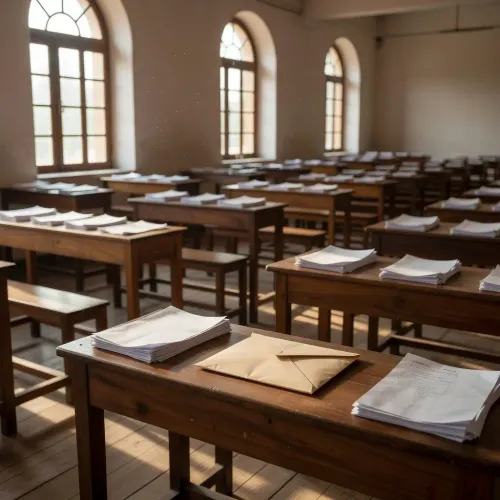
India has witnessed a series of high-profile examination paper-leak controversies in recent years, affecting national-level tests including NEET and JEE, as well as various state-level recruitment examinations. These incidents have triggered widespread protests by students and demands for systemic accountability. The recurring nature of leaks had eroded public trust in merit-based selection processes that millions of young aspirants depend on each year.
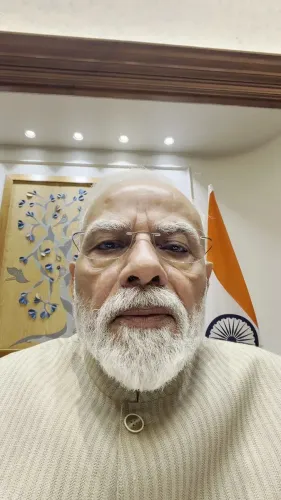
CM Patel's post comes in direct response to a decision by PM Modi's government to set up dedicated fast-track courts to handle paper-leak cases — a step aimed at delivering deterrence quickly rather than allowing cases to languish in the regular judicial pipeline.
Policy Backdrop
The legislative groundwork for this push was laid with the Public Examinations (Prevention of Unfair Means) Act, 2024, which introduced stringent penalties and specialised investigative mechanisms to address malpractice in public examinations. Fast-track courts represent the next layer of enforcement, translating legislative intent into judicial action with speed and severity.
These measures are part of a broader government effort that includes digitising examination processes, expanding surveillance and monitoring mechanisms, and coordinating with states to tighten the integrity of competitive tests. The aim is to make the examination ecosystem more tamper-proof from question-paper printing through to results declaration.
Stakeholders and Impact
The primary beneficiaries are crores of competitive exam aspirants across India — students preparing for medical, engineering, and government-service entrance tests who invest years of effort and significant financial resources. For many from smaller cities and rural backgrounds, these examinations represent the primary pathway to social and economic mobility.
Swift judicial proceedings through fast-track courts are expected to act as a strong deterrent for organised networks involved in paper leaks, which have in the past involved exam-conducting bodies, printing contractors, and coaching-industry middlemen. Convictions delivered within months rather than years would signal that the cost of malpractice is immediate and severe.
What's Next
Attention will now turn to state-level notifications for establishing and operationalising these fast-track courts, and to any follow-up parliamentary or regulatory updates on examination-conduct reforms. Gujarat, given its Chief Minister's vocal endorsement, may be among the early states to move on implementation. If fast-track proceedings result in high-profile convictions, they could set a national precedent and further consolidate the government's positioning on youth welfare ahead of upcoming electoral cycles.
Point of View
And the fast-track court announcement is a direct response to that electoral vulnerability. The move fits a wider pattern of the government layering judicial and legislative tools — the 2024 Act followed by dedicated courts — to demonstrate that exam integrity is a governance priority, not just a campaign promise. Whether the courts are operationalised quickly and deliver visible convictions will determine if the narrative shifts from intent to credibility.
NationPress
21 Oct 2026
Frequently Asked Questions
What are fast-track courts for paper leak cases in India?
Fast-track courts for paper-leak cases are dedicated judicial benches designed to hear and decide examination malpractice cases more quickly than regular courts, delivering swifter punishment to those found guilty of leaking or trading in question papers.
What did Gujarat CM Bhupendra Patel say about paper leak courts?
Gujarat CM Bhupendra Patel said that PM Modi's decision to form fast-track courts for paper-leak cases reflects the government's firm commitment to protecting students' hard work and dreams, and will ensure swift and stringent punishment for those who compromise students' futures.
What is the Public Examinations Prevention of Unfair Means Act 2024?
The Public Examinations (Prevention of Unfair Means) Act, 2024 is a central law that introduced strict penalties and investigative mechanisms to curb malpractice, including paper leaks, in national-level public examinations.
Which exams have been affected by paper leaks in India?
High-stakes national examinations such as NEET and JEE, along with several state-level government recruitment tests, have been affected by paper-leak controversies in recent years, triggering student protests and demands for accountability.
Will fast-track courts help stop paper leaks in India?
Fast-track courts are expected to act as a strong deterrent by ensuring that those involved in paper leaks face conviction within months rather than years. However, their effectiveness will depend on how quickly they are operationalised and whether they result in high-profile convictions.