Gotmar Mela 2024: Stone-pelting fair in Pandhurna set for Sep 11
Synopsis
One of India's most dangerous folk festivals returns on 11 September — Pandhurna's Gotmar Mela, where two villages hurl stones at each other across a river, has killed more than 18 people over the years. This time, the district administration is banning slingshots and stationing doctors on-site, hoping to preserve the tradition without adding to its death toll.
Key Takeaways
The Gotmar Mela between Pandhurna and Sawargaon in Madhya Pradesh is scheduled for 11 September 2024 .
The festival has claimed more than 18 lives over the years; up to 50 people are injured in a typical year.
Collector Neeraj Kumar Vashishtha has banned 'Gofun' (slingshots) and ordered medical standby at the venue.
The weekly market has been shifted to 8 September to manage crowd congestion.
Stone-throwing must cease once the flag in the river is broken before sunset, per official instructions.
Civil society groups have repeatedly called for the fair to be discontinued, but the tradition continues.
The world-famous Gotmar Mela, a centuries-old stone-pelting festival held between the villages of Pandhurna and Sawargaon on the banks of the Jam river in Madhya Pradesh, is scheduled for 11 September this year — with district authorities appealing for a safe, bloodshed-free celebration. The fair, which has claimed more than 18 lives over the years and left scores injured annually, continues despite sustained calls from civil society groups to end the tradition.
Administration's Safety Measures
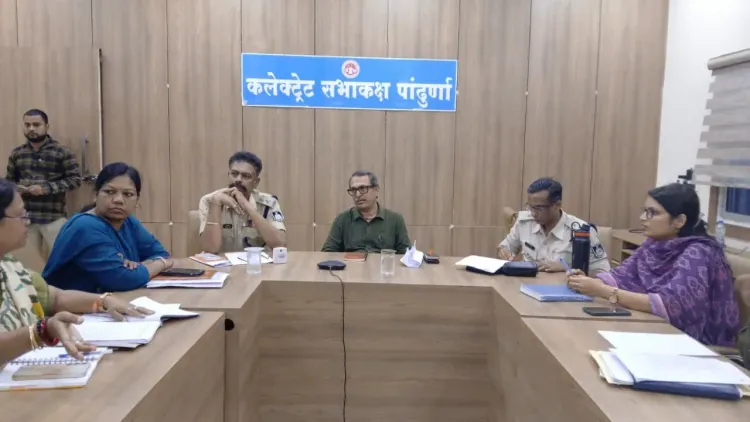
Collector Neeraj Kumar Vashishtha chaired a peace committee meeting at Laxmi Smriti Bhawan in Pandhurna on Thursday, making clear that the fair will proceed in its traditional format but under strict controls. Authorities have banned the use of 'Gofun' (slingshots), with firm action promised against violators. A doctor and ambulance will remain on standby at the venue, and extensive security and traffic management arrangements are being put in place.
To reduce public congestion around the fair date, the weekly market has been shifted to 8 September. The Collector urged participants from both villages to cease stone-throwing once the flag planted in the river is broken before sunset. 'People's life is precious to their family — stay safe and celebrate the festival responsibly,' he said.
The Legend Behind the Fair
No written record establishes the fair's precise age, but local legend offers a poignant origin. According to oral tradition, a young man from Pandhurna eloped with a woman from Sawargaon. When the couple reached the Jam river, members of both families attacked them with stones, and both died in the water. The annual stone-pelting is said to commemorate that tragedy, binding the two villages in a shared, if violent, act of remembrance.
How the Ritual Unfolds
The festival opens with the worship of Goddess Chandi. Villagers from Sawargaon plant a Palash tree in the middle of the river and tie a flag to it — the tree is regarded as a symbol of their daughter. Participants from both banks then hurl stones at each other across the river. The side that uproots and captures the Palash tree is declared the winner, and the victorious group carries the tree to the temple of Goddess Chandi for worship.
A Tradition Under Scrutiny
According to local accounts, as many as 50 people sustain minor to grievous injuries in a typical year — a figure that once reportedly exceeded 100. Multiple non-governmental and social organisations have called for the fair to be discontinued, citing the lives already lost. Yet the Gotmar Mela endures as a powerful, if dangerous, expression of local identity and collective memory. This year, authorities hope tighter safety protocols will allow the tradition to continue without adding to its grim toll.
Point of View
For years, chosen accommodation over prohibition — banning slingshots while permitting stone-throwing, deploying ambulances rather than calling a halt. That calculus reflects a genuine dilemma: suppressing the fair risks stoking resentment and driving it underground, but each iteration carries a non-trivial risk of death. What is missing is a credible long-term engagement with community leaders on harm reduction — not just a pre-event peace meeting, but a sustained dialogue that gives both villages ownership over a safer format. Until that happens, the administration's annual appeal will remain a ritual as predictable as the fair itself.
NationPress
19 Oct 2026
Frequently Asked Questions
What is the Gotmar Mela?
The Gotmar Mela is a traditional stone-pelting festival held annually between the villages of Pandhurna and Sawargaon in Madhya Pradesh on the banks of the Jam river. Participants from both sides hurl stones at each other across the river, with the side that uproots a Palash tree planted mid-river declared the winner.
When is Gotmar Mela 2024?
Gotmar Mela 2024 is scheduled for 11 September. The weekly market near the venue has been shifted to 8 September to ease congestion ahead of the event.
How dangerous is the Gotmar Mela?
The fair has claimed more than 18 lives over the years, according to local accounts. In a typical year, as many as 50 people sustain injuries ranging from minor to grievous — a number that once reportedly exceeded 100.
What safety measures has the administration put in place?
Collector Neeraj Kumar Vashishtha has banned the use of 'Gofun' (slingshots) and warned of firm action against violators. A doctor and ambulance will be on standby at the site, and security and traffic management arrangements have been strengthened.
Why do the two villages pelt stones at each other?
Local legend holds that a young man from Pandhurna eloped with a woman from Sawargaon; both families attacked the couple with stones at the Jam river, killing them. The annual stone-pelting is said to commemorate that tragedy, making it an act of collective remembrance rooted in oral tradition.