Government Increases Gas Supply, Boosts Urea Production by 23% Ahead of Kharif Season

Synopsis
With the Kharif 2026 season approaching, the Indian government has ramped up natural gas supplies to urea plants, resulting in a significant 23% increase in domestic urea production. This strategic move enhances fertilizer availability for farmers amid global supply challenges.
Key Takeaways
23% increase in domestic urea production.
Gas supply to urea plants boosted from 32 to 39.31 MMSCMD .
Current urea stocks exceed 61.14 lakh metric tonnes .
Proactive planning through early global tenders.
Diversified import strategy for steady supply.
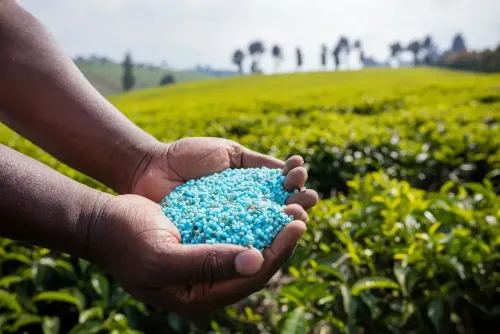
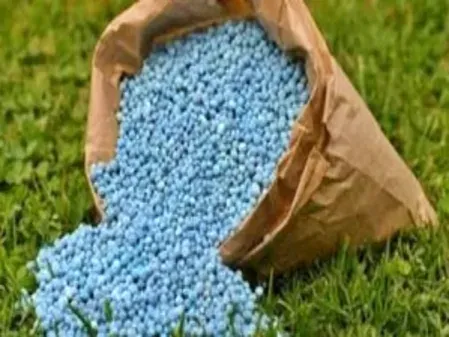
New Delhi, March 19 (NationPress) The Indian Government has made a substantial increase in the supply of natural gas to urea manufacturing facilities, resulting in a remarkable 23% surge in domestic urea output in preparation for the Kharif 2026 season, stated the Ministry of Chemicals and Fertilisers on Thursday.
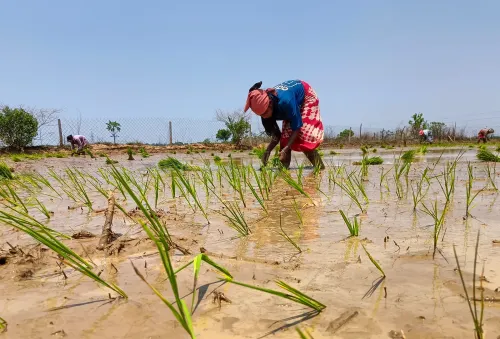
This initiative is part of a larger plan aimed at guaranteeing sufficient fertilizer access for farmers and protecting the agricultural sector from international supply disruptions, particularly given the ongoing instability in West Asia.
By augmenting gas supplies to urea plants and facilitating imports through global tenders, the government has successfully enhanced both production and inventory levels.
A vital component of this strategy involves increasing the availability of natural gas, which is essential for urea production.
The government, via the Empowered Pool Management Committee (EPMC), has secured an additional 7.31 MMSCMD of gas on a spot basis.
Consequently, the overall gas supply to urea plants has risen from 32 MMSCMD to 39.31 MMSCMD, representing an approximate 23% increase.
This enhancement in gas availability is anticipated to directly amplify domestic urea production. Official projections indicate that production is expected to escalate from 54,500 metric tonnes per day to about 67,000 metric tonnes per day, again showing a 23% boost.
Moreover, this strategy has improved the gas requirement fulfillment for urea plants from 62% to 76%, aiding plants in functioning more effectively.
Simultaneously, the government has established a robust stock position, with current urea reserves at 61.14 lakh metric tonnes, exceeding the 55.22 lakh metric tonnes recorded in March of the previous year.
Stocks of DAP (Di-Ammonium Phosphate) have experienced an even more significant increase, more than doubling to 24.24 lakh metric tonnes, providing an additional safety net for farmers during the sowing season.
Government representatives noted that proactive planning has been instrumental in this enhancement. The Department of Fertilisers initiated global tenders well in advance, anticipating potential disruptions due to geopolitical tensions.
These tenders received a positive response, and most imported quantities are expected to arrive in India by the end of March.
During a recent media briefing, Ministry of External Affairs spokesperson Randhir Jaiswal emphasized that India is currently well-positioned regarding fertilizer availability.
He stressed that India is employing a diversified import strategy and is in discussions with multiple nations to ensure steady supplies.
Point of View
This initiative prioritizes national agricultural stability.
NationPress
23 Sept 2026
Frequently Asked Questions
Why has the government increased gas supply to urea plants?
The government increased gas supply to enhance urea production ahead of the Kharif 2026 season and to ensure adequate fertilizer availability for farmers.
What is the expected increase in urea production?
Domestic urea production is expected to rise from 54,500 metric tonnes per day to about 67,000 metric tonnes per day, reflecting a 23% increase.
How does this affect farmers?
This initiative improves fertilizer availability for farmers, providing them with essential resources for the upcoming sowing season.
What is the current stock position of urea?
Current urea stocks stand at 61.14 lakh metric tonnes, which is higher than the 55.22 lakh metric tonnes recorded in March of the previous year.
What strategy is the government employing for fertilizer imports?
The government is following a diversified import strategy, engaging with multiple countries to ensure a consistent supply of fertilizers.