India's kharif 2026 fertiliser stocks at 195.71 LMT, over 50% of season need
Synopsis
India enters the kharif 2026 season with fertiliser stocks at over 50% of full-season need — well above the historical 33% benchmark — after aggressive global procurement triggered by the West Asia supply crisis. With 38.07 LMT of urea secured via tenders and fresh DAP and TSP tenders already floated, the government is running well ahead of schedule on farm input security.
Key Takeaways
India's fertiliser stocks for kharif 2026 stand at 195.71 LMT — over 50% of the total seasonal requirement of 390.54 LMT .
This is significantly above the historical norm of around 33% of seasonal requirement at this stage.
Urea availability is 62.28 LMT against a requirement of just 2.66 LMT as of 3 May 2025 .
Approximately 84 LMT of fertilisers was added after the West Asia supply disruption; India secured 38.07 LMT of urea via global tenders since late February.
Indian companies floated a global tender last week for 12 LMT DAP , 4 LMT TSP , and 3 LMT ammonium sulphate to cover peak-season demand.
Domestic urea production in April 2025 was 20.98 LMT , slightly below 21.89 LMT in April 2024.
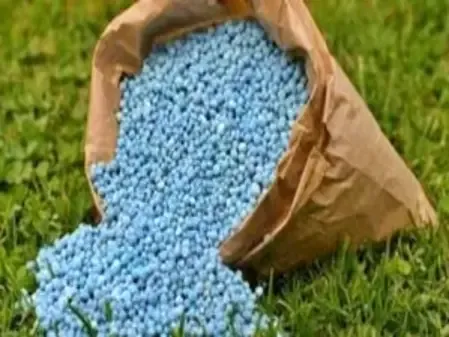
India's fertiliser stocks for the kharif 2026 season stand at 195.71 lakh metric tonnes (LMT) — more than 50% of the total seasonal requirement of 390.54 LMT — significantly ahead of the historical norm of around 33%, the Department of Fertilisers said on Monday, 4 May 2025. The government said availability is consistently exceeding requirements across all major fertiliser categories, signalling a strong opening for the ongoing sowing season.
Current Stock Levels Across Fertilisers
As of 3 May 2025, urea availability stands at 62.28 LMT against a requirement of 2.66 LMT. DAP availability is 20.32 LMT against a requirement of 0.85 LMT, while MOP availability is 7.60 LMT against 0.22 LMT required. NPK availability is 49.71 LMT against 1.16 LMT requirement, and SSP availability is 24.60 LMT against 0.55 LMT requirement. Across every category, stocks are running at multiples of immediate demand.
Response to West Asia Supply Disruption
The department noted that approximately 84 LMT of fertilisers has been added to availability following the supply disruption triggered by the crisis situation in West Asia. To shore up urea supplies specifically, India has secured 38.07 LMT of urea through global tenders since late February 2025. Additionally, around 6 LMT of NPK has been secured and is scheduled to arrive at Indian ports in May and June.
Domestic Production and New Procurement Tenders
Domestic urea production in April 2025 reached 20.98 LMT, slightly lower than the 21.89 LMT recorded in April 2024, according to the department's statement. Indian fertiliser companies have also issued an aggregated global tender last week for 12 LMT of DAP, 4 LMT of TSP, and 3 LMT of ammonium sulphate to ensure adequate availability during the peak demand period.
Government's Assessment and Outlook
The Department of Fertilisers attributed the robust stock position to improved planning, advance stocking, and efficient logistics management. The availability of raw material inputs for urea and phosphatic and potassic (P&K) fertiliser production is being regularly reviewed, the statement added. This comes amid heightened global supply-chain sensitivity, making the advance procurement strategy particularly consequential for India's 140 million-plus farming households dependent on the kharif crop cycle. With procurement tenders already in the market and inbound shipments confirmed for May–June, the government appears well-positioned to sustain supply through the peak season.
Point of View
The slight dip in domestic urea production in April 2025 versus April 2024 is worth watching: if import-led stocking is compensating for softer domestic output, the long-term cost to the fertiliser subsidy bill could be substantial. The real test will come during peak July–August demand, when logistics bottlenecks — not stock levels — have historically been the choke point for last-mile delivery to farmers.
NationPress
27 Sept 2026
Frequently Asked Questions
What are India's fertiliser stock levels for kharif 2026?
As of 3 May 2025, India's total fertiliser stock stands at 195.71 LMT, which is more than 50% of the full kharif 2026 seasonal requirement of 390.54 LMT. This is well above the historical norm of around 33% at this stage of the season.
Why are India's fertiliser stocks higher than usual this year?
The Department of Fertilisers attributes the higher stock levels to improved advance planning, aggressive global procurement, and efficient logistics management. Additionally, around 84 LMT of fertilisers was procured after a supply disruption caused by the crisis situation in West Asia.
How much urea has India secured through global tenders?
India has secured 38.07 LMT of urea through global tenders since late February 2025. Indian fertiliser companies have also recently floated a fresh aggregated global tender for 12 LMT of DAP, 4 LMT of TSP, and 3 LMT of ammonium sulphate.
What is India's domestic urea production status?
Domestic urea production in April 2025 was 20.98 LMT, slightly lower than the 21.89 LMT recorded in April 2024, according to the Department of Fertilisers statement issued on 4 May 2025.
When will the newly procured NPK fertilisers arrive in India?
Around 6 LMT of NPK secured through global procurement is scheduled to arrive at Indian ports in May and June 2025, in time to support peak kharif season demand.