India fertiliser stocks at 197.56 LMT, cover 51% of Kharif 2026 needs
Synopsis
India's fertiliser stockpile is running at more than 51% of Kharif 2026 needs — well above the seasonal norm of 33% — even as the West Asia conflict disrupts global supply chains. A threefold surge in organic manure procurement signals a quiet but significant shift in how Indian farmers are sourcing nutrients ahead of the sowing season.
Key Takeaways
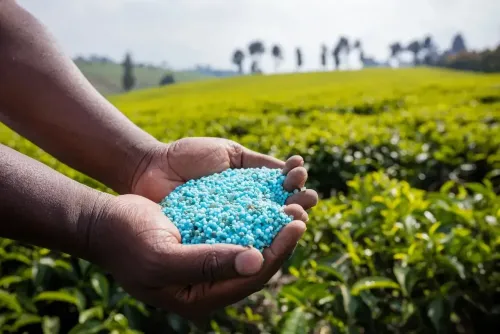
India's fertiliser stock stands at 197.56 LMT against a Kharif 2026 requirement of 383.9 LMT — over 51% coverage, well above the usual 33% at this stage.
Farmers had procured 86.65 LMT of chemical fertilisers as of 7 June 2026 , about 22.57% of total seasonal need.
Organic manure procurement jumped to 11.17 LMT post-Iran war, up from 3.20 LMT in the same period last year.
About 147.40 LMT of fertilisers added to availability since the West Asia conflict started on 28 February .
More than 25 LMT of urea, DAP, and NPKs expected at Indian ports in June ; a new global tender for 17 LMT of urea is in progress.
Fertiliser subsidy bills are being cleared weekly with adequate budget in place, the ministry confirmed.
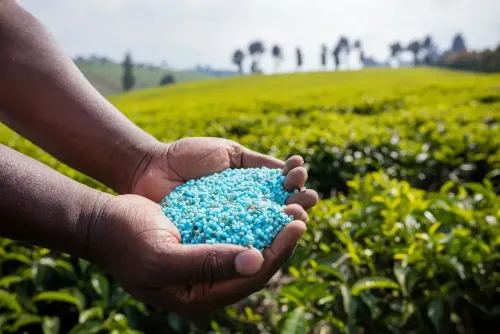
India's fertiliser stockpiles stand at 197.56 lakh metric tonnes (LMT) — covering over 51 per cent of the total Kharif 2026 requirement of 383.9 LMT — despite supply chain disruptions triggered by the West Asia conflict, the Ministry of Fertilisers confirmed on Monday, 8 June 2026. The current stock level is significantly above the typical 33 per cent held at this point in the season, signalling stronger advance planning by the government.
Current Stock and Farmer Purchases
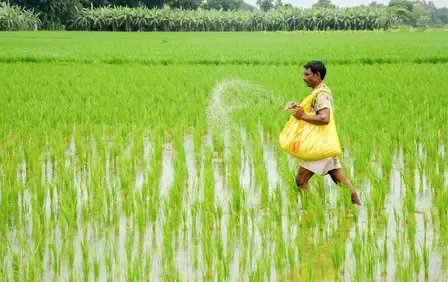
Indian farmers had already procured 86.65 LMT of chemical fertilisers in the ongoing Kharif 2026 season as of 7 June, accounting for approximately 22.57 per cent of the total seasonal requirement. The ministry attributed the comfortable availability to improved logistics management and advance stocking strategies.
Notably, organic manure procurement has surged sharply. Farmers purchased 11.17 LMT of organic manure after the Iran war began, compared to just 3.20 LMT during the corresponding period last year. Punjab led with 2.83 LMT, followed by Uttar Pradesh at 2.71 LMT, Haryana at 1.33 LMT, Madhya Pradesh at 1.25 LMT, Gujarat at 0.96 LMT, and Maharashtra at 0.84 LMT.
Impact of the West Asia Conflict on Supply
Since the West Asia conflict began on 28 February, approximately 147.40 LMT of fertilisers — through a combination of imports and domestic production — has been added to national availability. The government has actively worked to offset disruptions through advance procurement and diversified sourcing.
In June, more than 25 LMT of imported urea, DAP, and NPKs are expected to arrive at Indian ports. Additionally, India has floated a fresh global tender for the procurement of 17 LMT of urea, which is currently in progress.
Subsidy Payments and Input Availability
The Department of Fertilisers is conducting regular reviews of input availability for urea and P&K fertilisers. All subsidy bills raised by fertiliser companies are being cleared on a weekly basis, and the ministry confirmed that an adequate budget remains available for subsidy disbursement. This financial continuity is critical to keeping retail fertiliser prices stable for farmers ahead of the sowing season.
Shift Towards Organic Nutrients
The more than threefold rise in organic manure procurement — from 3.20 LMT to 11.17 LMT year-on-year — points to a meaningful behavioural shift among Indian farmers. The ministry described this as a 'gradual shift in farmers' preference from chemical fertilisers to organic alternatives,' a trend that aligns with the Centre's broader push for sustainable agriculture. This comes amid rising global fertiliser prices that have made chemical inputs costlier even after subsidy.
With the kharif sowing season gathering pace, the government has indicated that fertiliser security remains stable, with availability consistently exceeding requirement across all major fertiliser categories.
Point of View
And the government deserves credit for advance procurement in a disrupted market. But the headline comfort masks a structural question: how much of that buffer is priced at pre-conflict rates, and what happens to the subsidy bill if global urea prices stay elevated through the season? The threefold surge in organic manure uptake is the more underreported story — if it reflects genuine farmer preference rather than chemical fertiliser unavailability at the local level, it could mark the early stages of a structural input shift that policy has struggled to engineer for years.
NationPress
26 Sept 2026
Frequently Asked Questions
How much fertiliser stock does India have for Kharif 2026?
India's fertiliser stock stands at 197.56 LMT as of 8 June 2026, against a reassessed Kharif 2026 requirement of 383.9 LMT — covering over 51% of the seasonal need. This is significantly higher than the typical 33% stocked at this point in the year.
How has the West Asia conflict affected India's fertiliser supply?
The West Asia conflict, which began on 28 February, disrupted global fertiliser supply chains, but India has added approximately 147.40 LMT through imports and domestic production since then. More than 25 LMT of imported urea, DAP, and NPKs are expected at Indian ports in June alone.
Why has organic manure procurement increased so sharply?
Organic manure procurement by Indian farmers rose to 11.17 LMT after the Iran war, compared to 3.20 LMT in the same period last year — a more than threefold increase. The Ministry of Fertilisers attributed this to a gradual shift in farmer preference toward organic nutrient sources.
Which states are leading in organic manure procurement?
Punjab leads with 2.83 LMT, followed by Uttar Pradesh at 2.71 LMT, Haryana at 1.33 LMT, Madhya Pradesh at 1.25 LMT, Gujarat at 0.96 LMT, and Maharashtra at 0.84 LMT, according to the ministry's update.
Is India's fertiliser subsidy budget adequate for Kharif 2026?
Yes, the Department of Fertilisers has confirmed that an adequate budget is in place for fertiliser subsidy payments. All subsidy bills from companies are being cleared on a weekly basis to ensure uninterrupted supply ahead of the sowing season.