Piyush Goyal likely to visit US in September for G20, may meet USTR Greer
Synopsis
Commerce Minister Piyush Goyal's expected September trip to the US isn't just a G20 formality — a likely sideline meeting with USTR Jamieson Greer could prove pivotal as India and the US race to close a bilateral trade deal, with both sides still divided on tariffs and market access.
Key Takeaways
Commerce Minister Piyush Goyal is likely to visit the United States in late September for the G20 Trade Ministers' Meeting .
Goyal is expected to hold sideline talks with US Trade Representative Jamieson Greer on the bilateral trade agreement.
Key sticking points include tariffs , market access , and barriers affecting trade in goods and services.
India is seeking greater access to the US market for exports; Washington wants expanded entry for American goods and services into India.
The September discussions could offer clarity on the timeline and contours of the proposed India-US trade pact.
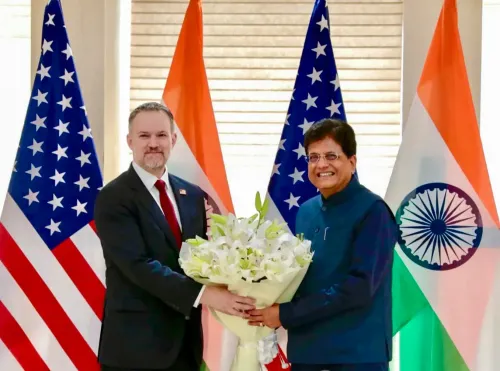
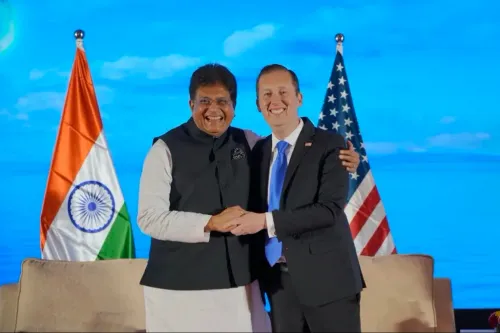
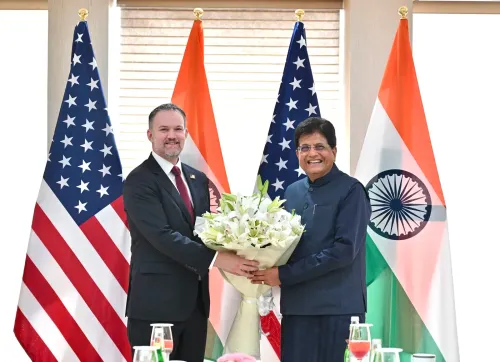
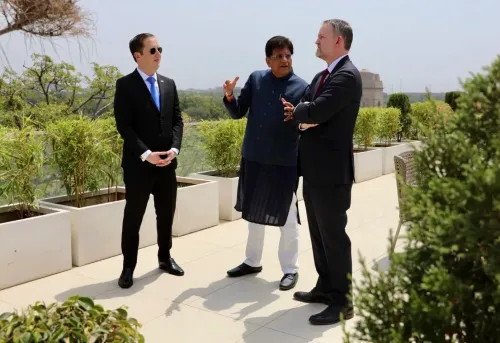
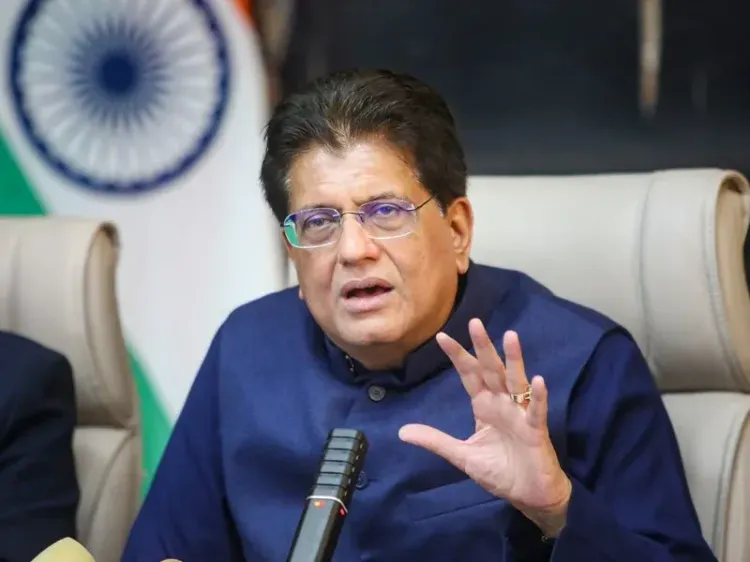
Commerce and Industry Minister Piyush Goyal is likely to travel to the United States in the last week of September to attend the G20 Trade Ministers' Meeting, a visit that could carry significant weight as India and the US push to resolve outstanding differences in their bilateral trade negotiations. On the sidelines of the G20 meeting, Goyal is also expected to hold talks with US Trade Representative Jamieson Greer, according to reports.
Why the September Visit Matters
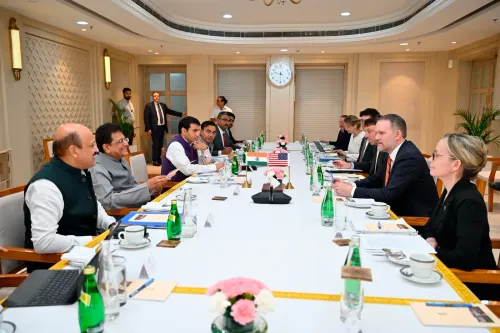
The proposed ministerial-level engagement comes at a critical juncture in India-US trade relations. Both sides have been working through a demanding set of issues — tariffs, market access, and barriers affecting trade in goods and services — as they seek to finalise a bilateral trade agreement. A face-to-face meeting between Goyal and Greer could help the two sides assess how close they are to bridging remaining gaps and determine the next steps toward concluding the pact.
Notably, this would be one of the most consequential bilateral trade engagements of the year, coming amid broader global uncertainty over trade policy and tariff regimes.
Key Issues on the Table
For India, securing improved access to the large US market remains a primary objective, particularly for sectors with strong export potential such as pharmaceuticals, textiles, and IT services. Washington, meanwhile, has been pressing for greater market access for American goods and services in India, including in areas like agriculture and digital trade.
The negotiations have been described as entering a crucial phase, with both governments keen to show tangible progress. Any clarity emerging from the Goyal-Greer conversation on timelines or specific concessions could accelerate the pace of talks at the technical level.
The G20 Platform
Beyond the bilateral agenda, the G20 Trade Ministers' Meeting will give Goyal an opportunity to engage with counterparts from other major economies on broader global trade concerns — including supply chain resilience, export controls, and the future of multilateral trade frameworks. India holds a strategic interest in shaping these conversations given its growing role in global supply chains.
What Comes Next
The outcome of the September discussions is expected to offer greater clarity on both the timeline and the contours of the proposed India-US bilateral trade agreement. Officials on both sides have signalled a desire to move beyond framework-level talks toward concrete commitments, though significant differences reportedly remain on several fronts. Whether the Goyal-Greer meeting can meaningfully narrow those differences will be closely watched by industry and trade observers in both countries.
Point of View
If it materialises, will be a temperature check — not a signing ceremony. India and the US have been in a prolonged holding pattern on their bilateral trade deal, with both sides talking progress while structural gaps on agriculture, digital trade, and tariff schedules remain unresolved. The G20 setting gives both ministers political cover to engage without the pressure of a bilateral summit, but it also limits what can realistically be agreed. The real question is whether New Delhi is prepared to move on US asks around market access — and whether Washington will offer anything substantive on India's longstanding demand for preferential tariff treatment for its export sectors.
NationPress
10 Oct 2026
Frequently Asked Questions
Why is Piyush Goyal visiting the US in September?
Commerce and Industry Minister Piyush Goyal is likely travelling to the United States in late September to attend the G20 Trade Ministers' Meeting. On the sidelines, he is also expected to meet US Trade Representative Jamieson Greer to discuss the ongoing India-US bilateral trade negotiations.
What will Goyal and USTR Jamieson Greer discuss?
The two are expected to assess progress in India-US bilateral trade negotiations, covering issues such as tariffs, market access, and barriers affecting trade in goods and services. The meeting could help determine the next steps toward finalising a trade agreement between the two countries.
Where do India-US trade talks currently stand?
The negotiations are reportedly in a crucial phase, with both sides working to bridge differences on market access and tariff-related issues. India is seeking better access to the US market for its exports, while Washington wants greater entry for American goods and services into India.
What is the G20 Trade Ministers' Meeting?
The G20 Trade Ministers' Meeting is a multilateral forum where trade ministers from the world's major economies convene to discuss global commerce issues, including supply chain resilience, trade barriers, and multilateral frameworks. It provides a platform for bilateral engagements on the sidelines.
What is the significance of a potential India-US bilateral trade agreement?
A bilateral trade agreement between India and the US would expand market access, reduce trade barriers, and strengthen economic ties between the world's largest democracy and its largest economy. For India, it could unlock new export opportunities particularly in pharmaceuticals, textiles, and IT services.