Green steel could save India $1 trillion in coal imports: UC Berkeley study
Synopsis
A UC Berkeley study puts a $1 trillion price tag on India's coal dependency risk — and argues that green hydrogen-based steel could reach cost parity with conventional production by 2030. With the EU's carbon border tax already live and India's steel capacity set to double, the window for a strategic pivot is narrow and closing fast.
Key Takeaways
A new IECC, UC Berkeley study finds India could avoid nearly $1 trillion in long-term coking coal import costs by shifting to green steel.
Conventional expansion could lock India into six billion tonnes of coking coal imports over 40 years , requiring 161 million tonnes annually at scale.
Green hydrogen-based steel is projected to cost around $562 per tonne by 2030 — only 5–10% above conventional steel from new plants.
The EU's Carbon Border Adjustment Mechanism (CBAM) , live since January 2026 , already covers steel and poses a growing risk to India's carbon-intensive exports.
India targets 300 million tonnes of steel capacity by 2030–31 and is currently the world's second-largest steel producer after China.
The report recommends long-term green steel procurement contracts, clean power access, and targeted risk-sharing to catalyse early projects.
India's transition to green steel production could spare the country nearly $1 trillion in long-term coking coal import expenditure and sharpen its competitive edge in global export markets, according to a new study published by the India Energy and Climate Center (IECC) at the University of California, Berkeley. The findings, released on 19 May, arrive at a moment when India is preparing to significantly scale up its steelmaking capacity over the next decade.
The Coal Dependency Risk
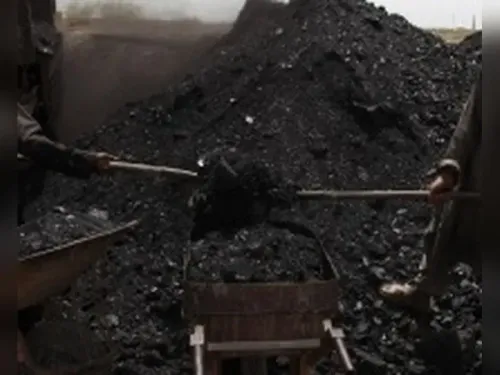
The IECC report warns that if India's next phase of steel expansion continues along conventional lines, the country could be locked into importing roughly six billion tonnes of coking coal over the next four decades. It estimates that 60–65 per cent of the planned capacity expansion under India's National Steel Policy could still follow the coal-intensive blast furnace-basic oxygen furnace route. Operating such capacity at scale would demand approximately 161 million tonnes of coking coal annually, with around 90 per cent of that likely sourced from overseas — predominantly from Australia and other global suppliers.
'If future capacity is built around imported coking coal, the country would hardwire currency and price volatility risks into one of its most important industrial sectors,' said Neelima Jain, Director for Industrial and Trade Policy at IECC. 'Green steel offers an alternative path.'
The Green Hydrogen Opportunity
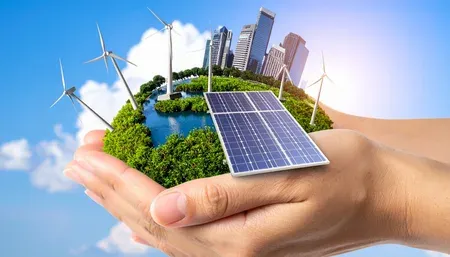
The study argues that India's abundant low-cost renewable energy resources provide a strong foundation for green hydrogen-based steelmaking, where hydrogen replaces imported coking coal in iron reduction. The IECC projects that by 2030, green hydrogen in India could be produced at approximately $3 per kilogram, enabling green steel output at around $562 per tonne — roughly 5 to 10 per cent above the cost of conventional steel from new plants.
Crucially, the report argues that a static cost comparison understates green steel's long-term advantage. Conventional steel production remains exposed to coking coal priced in US dollars, whereas green steel can be anchored to fixed-price, rupee-denominated renewable power contracts. 'Over time, that makes it far more resilient,' said Jose Dominguez, Research Manager at IECC. Once historical coking coal price increases and rupee depreciation are factored in, the study projects that green steel could reach cost parity with — or even undercut — conventional steel by around 2030.
Export Markets and Carbon Barriers
The report also flags a growing trade risk: India's carbon-intensive steel exports face mounting pressure from international carbon-related trade barriers, particularly in Europe. The European Union's Carbon Border Adjustment Mechanism (CBAM), which entered its definitive phase in January 2026, already covers steel imports and imposes additional costs linked to embedded carbon emissions. For Indian steelmakers targeting European buyers, this represents a structural headwind that green steel could neutralise.
'India's green hydrogen costs are among the lowest globally,' said Nikit Abhyankar, Co-Faculty Director of IECC. 'India could be one of the few countries where green steel becomes economically viable within this decade, giving domestic producers an edge in export markets. It could also strengthen competitiveness in downstream manufacturing sectors such as automobiles and machinery.'
What the Report Recommends
The IECC study calls for a structured market-creation framework to support early green steel projects. Its recommendations include long-term green steel procurement contracts, reliable access to clean power, emissions verification standards, and targeted risk-sharing mechanisms. 'India's experience scaling renewable energy and energy storage shows that well-designed public policy can accelerate cost reduction, unlock private investment, and speed early deployment,' said Amol Phadke, Faculty Director at IECC. 'Green steel will require a similarly deliberate market-creation effort.'
India is currently the world's second-largest steel producer after China and has set a target of reaching 300 million tonnes of installed steel capacity by 2030–31. Whether the country's next capacity wave locks in fossil fuel dependency or pivots toward green alternatives will shape both its industrial competitiveness and its trade relationships for decades to come.
Point of View
But the more consequential finding is structural: India is about to make a multi-decade bet on steel capacity, and the default path hard-codes dollar-denominated coal dependency into a strategically critical sector. The CBAM dimension is underappreciated — European carbon tariffs are not a future threat but a present reality, and Indian steelmakers without a credible decarbonisation roadmap will face a pricing disadvantage in their most valuable export market. The question is whether India's policy apparatus can move fast enough to make green steel the default choice for new capacity, rather than an aspirational footnote in the National Steel Policy.
NationPress
23 Sept 2026
Frequently Asked Questions
How could green steel save India $1 trillion?
The UC Berkeley IECC study estimates that if India's steel expansion continues on the conventional blast furnace route, the country would need to import roughly six billion tonnes of coking coal over four decades, costing nearly $1 trillion. Shifting to green hydrogen-based steelmaking would eliminate most of that import bill by replacing coal with domestically produced renewable energy.
When could green steel become cost-competitive in India?
The IECC report projects that green steel could reach cost parity with — or undercut — conventional steel by around 2030. At that point, green hydrogen is expected to cost approximately $3 per kilogram in India, enabling green steel production at around $562 per tonne, only 5–10% above conventional steel from new plants.
What is the EU's CBAM and how does it affect Indian steel?
The European Union's Carbon Border Adjustment Mechanism (CBAM) entered its definitive phase in January 2026 and imposes additional costs on steel imports based on their embedded carbon emissions. Indian steelmakers relying on coal-intensive production face higher costs when selling to European buyers, making a green steel transition increasingly important for export competitiveness.
What does the IECC report recommend for India's green steel transition?
The report calls for a market-creation framework that includes long-term green steel procurement contracts, reliable access to clean power, robust emissions verification standards, and targeted risk-sharing mechanisms to support early green steel projects and attract private investment.
What is India's current position in global steel production?
India is currently the world's second-largest steel producer after China. The country has set a target of reaching 300 million tonnes of installed steel capacity by 2030–31 and remains heavily dependent on imported coking coal, sourced mainly from Australia and other global suppliers.