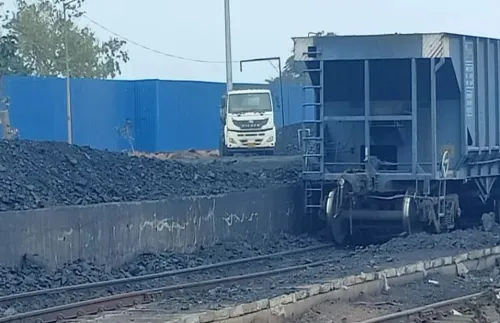
India coal output up 14.9% to 17.88 MT in June 2026, three new mines open
Synopsis
India's captive and commercial coal mines delivered a 14.9 per cent production surge in June 2026, hitting 17.88 MT — and three new mines, including the strategically critical Urtan coking coal block, came online in Q1 FY27 with a combined capacity of 7.51 MTPA. The Urtan mine's coking coal output could meaningfully cut India's steel sector import bill.
Key Takeaways
Coal production from captive and commercial mines reached 17.88 MT in June 2026 , up 14.9 per cent from 15.56 MT in June 2025.
Coal dispatch in June stood at 18.55 MT , exceeding production volumes.
Q1 FY27 cumulative production grew 5.35 per cent year-on-year; dispatch rose 1.70 per cent .
First-quarter output has grown at a CAGR of approximately 10.7 per cent between FY 2024–25 and FY 2026–27.
Three new mines — Urtan , Dhirauli , and Bikram — commenced production with a combined PRC of 7.51 MTPA .
Urtan , a coking coal block, is expected to reduce India's reliance on imported coking coal for the steel sector.
Coal production from captive and commercial mines in India rose 14.9 per cent year-on-year to 17.88 million tonnes (MT) in June 2026, up from 15.56 MT in June 2025, according to an official statement from the Ministry of Coal on 2 July 2026. Coal dispatch for the month reached 18.55 MT, outpacing production and signalling strong offtake from the energy and industrial sectors.
Q1 FY27 Performance
For the first quarter of FY 2026–27 (April to June), cumulative coal production grew by 5.35 per cent compared with the same period in the previous financial year. Dispatch volumes during the quarter also registered a year-on-year increase of 1.70 per cent, reflecting sustained demand from power plants and industrial consumers.
The sector has recorded a compound annual growth rate (CAGR) of approximately 10.7 per cent in first-quarter output between FY 2024–25 and FY 2026–27, pointing to a steady structural uptrend in domestic coal mining activity.
Three New Mines Commence Operations
During the first quarter, three coal mines — Urtan, Dhirauli, and Bikram — commenced production. Together, these mines carry a combined Peak Rated Capacity (PRC) of 7.51 million tonnes per annum (MTPA).
The operationalisation of Urtan is particularly significant: it is a coking coal block, and coking coal is an essential raw material for steel manufacturing. The mine is expected to bolster the availability of domestically sourced coking coal and reduce India's dependence on imports for the steel sector.
What the Government Said
The Ministry of Coal attributed the sector's progress to policy initiatives, regulatory facilitation, and sustained stakeholder engagement. 'The performance reflects continued improvements in mine operations, capacity utilisation and production planning,' the ministry's statement noted.
On the new mines, the ministry added: 'The operationalisation of these mines is expected to enhance domestic coal availability, strengthen supply security and support the growing requirements of the country's energy and industrial sectors, thereby contributing to economic growth.'
Why This Matters
India's push to scale up captive and commercial coal mining is central to its energy security strategy, particularly as electricity demand rises with industrial expansion and urbanisation. This comes amid ongoing efforts to reduce costly coal imports, which strain the current account. The commencement of the Urtan coking coal mine adds a strategic dimension — domestic coking coal availability directly influences steel production costs and, by extension, infrastructure project economics.
Notably, this is the third consecutive quarter in which first-quarter production has posted growth, suggesting the policy and regulatory reforms of recent years are translating into sustained operational output. How quickly the three new mines ramp to their rated capacities will be closely watched in the quarters ahead.
Point of View
But the more consequential development is the Urtan coking coal mine coming online. India imports the bulk of its coking coal — a dependency that inflates steel costs and pressures the current account. If Urtan ramps to rated capacity on schedule, it could offer a modest but meaningful offset. The broader Q1 CAGR of 10.7 per cent across three years also suggests that the captive and commercial mining reforms are compounding — not a one-quarter blip. The real test is whether dispatch growth, currently lagging production growth at 1.70 per cent versus 5.35 per cent, accelerates to keep pace, or whether logistical bottlenecks begin to cap the upside.
NationPress
1 Oct 2026
Frequently Asked Questions
How much did India's coal production increase in June 2026?
Coal production from captive and commercial mines in India rose 14.9 per cent year-on-year to 17.88 MT in June 2026, compared with 15.56 MT in June 2025, according to the Ministry of Coal.
What is the significance of the Urtan coal mine?
Urtan is a coking coal block that commenced production in Q1 FY27. Coking coal is a critical raw material for steel manufacturing, and Urtan's output is expected to strengthen domestic availability and reduce India's dependence on coking coal imports.
How did India's coal sector perform in Q1 FY27 overall?
Cumulative coal production in Q1 FY27 (April to June 2026) grew 5.35 per cent year-on-year, while dispatch rose 1.70 per cent. The sector has recorded a CAGR of approximately 10.7 per cent in first-quarter output between FY 2024–25 and FY 2026–27.
Which new coal mines began operations in Q1 FY27?
Three mines — Urtan, Dhirauli, and Bikram — commenced production during Q1 FY27. Together they have a combined Peak Rated Capacity of 7.51 MTPA, adding meaningfully to India's domestic coal supply pipeline.
Why is India scaling up captive and commercial coal mining?
India is expanding domestic coal production to strengthen energy security, meet rising electricity demand, and reduce costly coal imports that weigh on the current account. The Ministry of Coal attributes recent growth to policy reforms, regulatory facilitation, and improved mine operations.