India-EU CBAM: Green hydrogen can unlock clean industry growth, says report
Synopsis
A new report reframes the EU's CBAM — often cast as a trade threat for India — as a potential springboard for a clean-industry alliance. With India targeting 5 MTPA of green hydrogen by 2030 and the EU-India FTA concluded in January 2026, the conditions for a hydrogen-powered industrial partnership are forming. The real test: whether electrolyser capacity and H₂-DRI plants follow the declarations.
Key Takeaways
A European Times report argues the EU's CBAM , in effect since 1 January 2026 , can be converted from a trade barrier into a clean-industry growth driver for India .
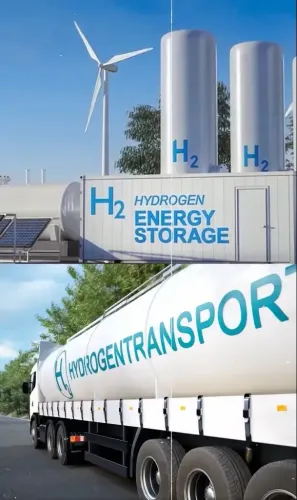
Green hydrogen is identified as the key bridge, enabling India to decarbonise hard-to-electrify industrial processes such as steelmaking.
India's National Steel Policy targets crude-steel capacity of 300 million tonnes by 2030–31 , making CBAM compliance a high-stakes issue.
India aims for 5 MTPA of green hydrogen production capacity by 2030 ; 18 companies have already received production incentives covering 8,62,000 tonnes per annum .
The EU-India FTA , concluded in January 2026 , underpins bilateral goods trade of approximately $136 billion , with India holding a $15 billion surplus.
A new report argues that green hydrogen could reframe the European Union's Carbon Border Adjustment Mechanism (CBAM) — widely seen as a trade barrier — into a catalyst for low-carbon industrial expansion and deeper India-EU value chains. The findings, published by European Times, come as New Delhi and Brussels enter a phase where trade policy, industrial competitiveness, and climate commitments are increasingly converging.
What CBAM Means for India
CBAM entered its definitive regime on 1 January 2026, covering iron and steel, aluminium, cement, fertilisers, electricity, and hydrogen. The mechanism places a carbon cost on embedded emissions in covered imports, creating a direct incentive for producers outside Europe to reduce their carbon intensity.
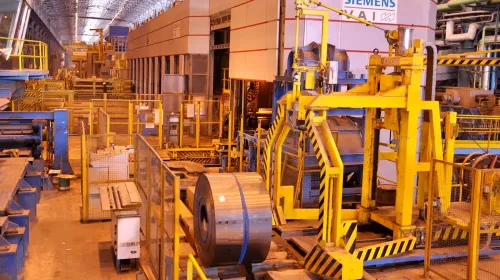
For India, the stakes are particularly high. The country's National Steel Policy targets crude-steel capacity of 300 million tonnes and production of 255 million tonnes by 2030–31 — a scale of industrial expansion that, under CBAM's current framework, carries significant carbon-cost exposure.
Green Hydrogen as the Bridge
The report positions green hydrogen as the critical link between India's development ambitions and Europe's decarbonisation requirements. 'Green hydrogen is particularly important because it can replace fossil fuels in industrial processes that are difficult to electrify directly,' the publication noted.
Rather than scaling conventional steel capacity and retrofitting it later, the report urged India to build clean industrial infrastructure — including hydrogen-based direct reduced iron (H₂-DRI) plants — from the ground up. This approach, it argued, would allow India to sidestep future carbon liabilities while positioning itself as a competitive clean-industry supplier to Europe.
India's Green Hydrogen Targets and Progress
India has set a target of 5 million tonnes per annum (MTPA) of green hydrogen production capacity by 2030. Progress is already under way: 15 companies have been awarded 3,000 MW per year of electrolyser manufacturing capacity, and 18 companies have received incentives covering 8,62,000 tonnes per annum of green hydrogen production capacity.
The report stressed that the success of any India-EU clean industry partnership would ultimately be measured in 'installed electrolysers, contracted tonnes of green hydrogen, commissioned H₂-DRI plants and recognised carbon certificates — not just by number of declarations signed.'
Trade Context: FTA and Bilateral Flows
The conclusion of EU-India Free Trade Agreement (FTA) negotiations in January 2026 has created a broader platform for closer economic ties. Bilateral goods trade currently stands at approximately $136 billion, with India running an estimated $15 billion surplus. The FTA, combined with CBAM compliance pressure, gives both sides a structural incentive to align on clean-technology supply chains.
The Opportunity Ahead
According to the report, India's vast renewable energy potential and expanding industrial base offer Europe a chance to build new clean-technology supply chains outside of China. 'With breakthroughs in India and Europe's clean energy ecosystem by the end of this decade, the energy transition could become more than a climate project. It could become the foundation for a new, cleaner and more competitive India–EU industrial partnership,' the publication said.
Whether that vision translates into contracted capacity and verified carbon reductions — rather than policy declarations — will define the partnership's real impact in the years ahead.
Point of View
While politically convenient, risks missing the structural opportunity. India's steel sector faces a genuine carbon-cost reckoning by 2030; building H₂-DRI capacity now is cheaper than retrofitting blast furnaces later. The report's logic is sound, but the gap between India's declared green hydrogen targets and actual contracted offtake remains wide. Fifteen electrolyser companies and 18 production incentive recipients sound impressive — until measured against the 5 MTPA target. The India-EU partnership will only move the needle if it converts declarations into bankable, long-term hydrogen supply contracts that make H₂-DRI plants commercially viable without perpetual subsidy.
NationPress
18 Oct 2026
Frequently Asked Questions
What is CBAM and how does it affect India?
The EU's Carbon Border Adjustment Mechanism (CBAM) places a carbon cost on embedded emissions in imports of steel, aluminium, cement, fertilisers, electricity, and hydrogen. It entered its definitive regime on 1 January 2026. For India, whose steel sector is central to its industrial expansion plans, CBAM creates direct cost exposure on exports to Europe unless carbon intensity is reduced.
How can green hydrogen help India navigate CBAM?
Green hydrogen can replace fossil fuels in hard-to-electrify industrial processes like steelmaking, enabling India to produce low-carbon steel via hydrogen-based direct reduced iron (H₂-DRI) plants. This would reduce the carbon cost liability under CBAM and position Indian exports as competitive in the European market.
What is India's green hydrogen production target?
India aims to establish 5 million tonnes per annum (MTPA) of green hydrogen production capacity by 2030. As of the report's publication, 15 companies have been awarded 3,000 MW per year of electrolyser manufacturing capacity, and 18 companies have received incentives covering 8,62,000 tonnes per annum of production capacity.
What is the current state of India-EU trade?
Bilateral goods trade between India and the EU stands at approximately $136 billion, with India running an estimated $15 billion surplus. The conclusion of EU-India Free Trade Agreement negotiations in January 2026 has created a broader platform for closer economic and clean-technology ties.
What will determine the success of an India-EU clean industry partnership?
According to the report, success will be measured by installed electrolyser capacity, contracted tonnes of green hydrogen, commissioned H₂-DRI plants, and recognised carbon certificates — not by the number of policy declarations or agreements signed.