How is Gujarat Expanding Anganwadi Services with 5.14 Lakh New Beneficiaries?

Synopsis
In a significant move, Gujarat has expanded Anganwadi services to include over 5.14 lakh new beneficiaries, ensuring better access to vital nutrition and health services for mothers and children. This initiative underscores the state's commitment to improving welfare, especially in tribal and rural areas. Discover how this effort aims to create a healthier future for the next generation.
Key Takeaways
5.14 lakh beneficiaries added to Anganwadi services.
Focus on tribal and rural areas for outreach.
Use of technology to prevent duplication.
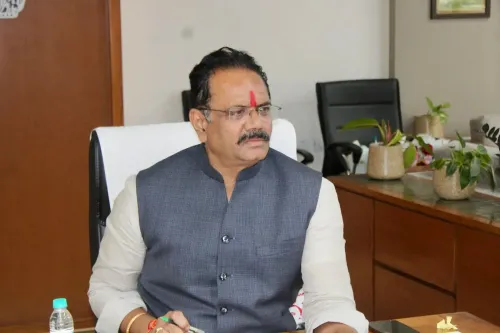
Led by Minister Manisha Vakil .
Improvement in data accuracy for better service delivery.
Gandhinagar, Feb 6 (NationPress) Over 5.14 lakh beneficiaries have been newly included in various Anganwadi schemes throughout Gujarat, as a result of a targeted coverage initiative aimed at enhancing access to nutrition and health services for mothers and young children.
This initiative, conducted from November 2025 to January 2026, broadened the outreach of welfare services to pregnant women, lactating mothers, and children up to six years of age, with a significant portion of enrollments occurring in tribal and rural areas.
The Women and Child Development (WCD) Coverage Drive was launched to identify and incorporate eligible beneficiaries who were previously outside the Anganwadi network.
Implemented under the guidance of Women and Child Development Minister Manisha Vakil, this campaign aimed to ensure that essential nutrition and basic healthcare services reach every eligible child and mother.
According to official data, more than 2.55 lakh beneficiaries from tribal regions were added during this effort, while over 2.07 lakh from rural areas and approximately 51,000 from urban locations were also linked to Anganwadi services.
These beneficiaries are now included in programs that provide supplementary nutrition, growth monitoring, and access to fundamental health-related support.
Officials indicated that these results were achieved through meticulous micro-planning by district administrations, enabling the identification of households and prioritization of outreach in remote and interior areas.
The campaign particularly focused on tribal belts and rural pockets, where coverage gaps were more evident.
To ensure accurate beneficiary data, the department utilized TECHO software, a digital platform for tracking maternal and child health, along with systematic field verification.
Officials asserted that the integration of technology, coupled with ground checks, helped to avoid duplication and ensured that eligible beneficiaries were accurately identified in a short period.
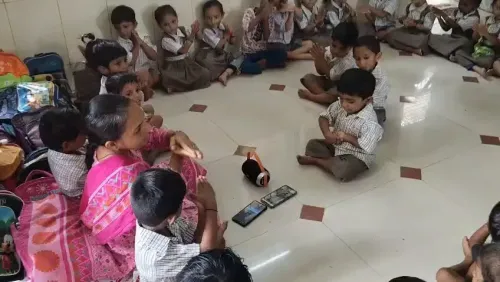
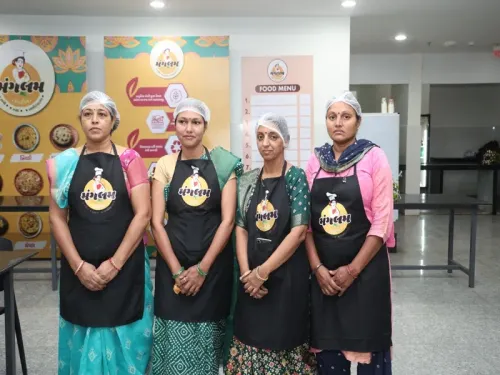
Anganwadi workers and helpers played a vital role in executing the drive through door-to-door outreach and verification, supported by district-level officials.
Their efforts significantly improved data accuracy and expanded services to beneficiaries who had previously remained unregistered.
Point of View
The expansion of Anganwadi services in Gujarat is a commendable step towards improving maternal and child health. It reflects a proactive approach to welfare, particularly in underserved tribal and rural regions. Such initiatives should be recognized and potentially replicated in other states to enhance health outcomes across the country.
NationPress
19 Sept 2026
Frequently Asked Questions
What are Anganwadi services?
Anganwadi services are a government initiative aimed at providing basic health and nutrition services to mothers and children, focusing on underprivileged communities.
How many beneficiaries were added in Gujarat's recent initiative?
Over 5.14 lakh beneficiaries were added to Anganwadi services in Gujarat during the recent coverage drive.
Who led the Anganwadi coverage drive in Gujarat?
The drive was led by Women and Child Development Minister Manisha Vakil.
What areas saw the most enrollments?
The majority of new enrollments occurred in tribal and rural areas.
What technology was used to ensure accurate data?
The department utilized TECHO software for tracking maternal and child health, along with field verification.