Could the New H-1B Rule Bring Major Economic Benefits?
Synopsis
A new US regulation on H-1B work visas could lead to substantial economic benefits, but its implementation may infringe on procedural laws. As the Department of Homeland Security prepares for this shift, the potential implications for skilled foreign workers and small businesses are immense. Stay informed about how these changes could impact the economy.
Key Takeaways
New H-1B rule expected to generate over $20 billion Timing concerns regarding legal compliance Weighted selection system to favor skilled foreign workers Impact on small businesses noted by GAO Wide-ranging stakeholder feedback received
Washington, Jan 22 (NationPress) A newly established US regulation, which alters the selection process for H-1B work visas, has the potential to generate significant economic advantages over the next decade, as reported by a government oversight agency. However, it may also be implemented more swiftly than current laws permit.
The Government Accountability Office (GAO) projects that the Department of Homeland Security’s revised H-1B selection criteria could yield economic gains exceeding $20 billion between 2026 and 2035. The implementation of this rule is estimated to cost around $303 million during the same timeframe.
Concurrently, the GAO has raised concerns regarding the timing of this rule in relation to US law.
“The rule has a designated effective date of February 27, 2026,” the GAO noted, pointing out that this timeline is “less than 60 days from the date of receipt by Congress.”
According to the Congressional Review Act, substantial federal regulations typically must wait at least 60 days after their publication or congressional receipt before they can take effect, as indicated in the GAO report.
The GAO highlighted that the rule was received on December 29, 2025, and was published in the Federal Register on the same day. The House of Representatives received it on December 29, 2025, while the Senate received it on January 5, 2026.
This week, the watchdog forwarded its findings to the leaders of the Senate and House Judiciary Committees, which are responsible for overseeing immigration policies and the Department of Homeland Security.
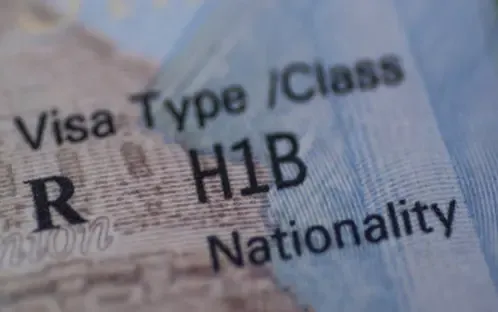
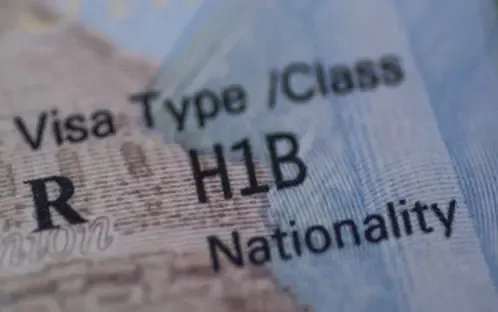
The rule, titled “Weighted Selection Process for Registrants and Petitioners Seeking To File Cap-Subject H-1B Petitions,” modifies how the US Citizenship and Immigration Services selects H-1B applications that fall under an annual cap determined by Congress.
The DHS has indicated that the new rule incorporates a weighted selection system that generally favors higher-skilled and higher-paid foreign workers.
Furthermore, the DHS has assured that employers will still be permitted to hire H-1B workers across all wage tiers. The objective, according to the DHS, is to better align this program with congressional intent.
The GAO scrutinized the rule under federal statutes requiring an evaluation of whether agencies have adhered to required procedural steps when implementing major regulations.
In this context, the GAO assessed the DHS’s cost-benefit analysis. The DHS estimates that total benefits from the rule between fiscal years 2026 and 2035 will amount to approximately $20.08 billion, with net public benefits during that period projected at nearly $19.78 billion.
Moreover, the DHS anticipates total transfers of around $34.34 billion over the decade.
The GAO noted that the DHS acknowledged the rule's significant economic implications for a considerable number of small businesses, prompting the preparation of a final regulatory flexibility analysis.
The department also concluded that the rule does not impose a federal mandate under the Unfunded Mandates Reform Act, thus eliminating the need for a separate statement under this law.
The GAO revealed that the DHS initially published a proposed version of the rule in September 2025. The department received feedback from a variety of stakeholders, including US workers, companies, legal firms, advocacy groups, and educational institutions, among others.
According to the DHS, it has reviewed and addressed these comments in the finalized rule.
The H-1B visa program remains the primary avenue for skilled foreign professionals to engage in employment within the United States, with a significant number of Indian nationals utilizing it, particularly in the fields of technology, engineering, and healthcare.
Changes to the selection process for these visas are being closely monitored in India as well as among Indian professionals either currently employed in the US or seeking to relocate.
Point of View
The introduction of the new H-1B rule represents a significant shift in immigration policy, aimed at attracting high-skilled talent. However, the potential legal complications surrounding its implementation raise important questions about procedural compliance. The balance between economic growth and legal adherence will be crucial in determining its success.
NationPress
1 Oct 2026
Frequently Asked Questions
What is the new H-1B rule about?
The new H-1B rule modifies the selection process for H-1B work visas, introducing a weighted selection system favoring higher-skilled and higher-paid foreign workers.
How much economic benefit is expected from the new rule?
The Government Accountability Office estimates that the new H-1B rule could generate over $20 billion in economic benefits between 2026 and 2035.
When is the new rule set to take effect?
The new rule has an effective date of February 27, 2026, but its implementation may conflict with procedural laws requiring a 60-day waiting period.
Who will be impacted by the new H-1B rule?
The rule will primarily affect skilled foreign workers, particularly Indian nationals, as well as small businesses that rely on H-1B workers.
What is the purpose of the H-1B visa program?
The H-1B visa program allows skilled foreign professionals to work in the United States, filling roles primarily in technology, engineering, and healthcare sectors.