Is the US H-1B Visa Rule Change Worrying Indian Tech Workers and Families?
Synopsis
Recent changes to the US H-1B visa selection process have sparked fears among Indian tech workers and their families. With a new focus on wage levels instead of random selection, concerns about the impact on job opportunities and family stability are emerging. What does this mean for the future of Indian professionals in the US?
Key Takeaways
H-1B visa selection now prioritizes wages.
Concerns among Indian tech workers and families are rising.
This change could favor larger companies over startups.
DHS aims to protect US workers with the new rule.
The impact on family stability is a significant concern.
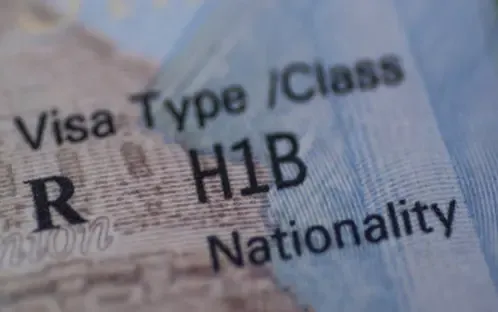
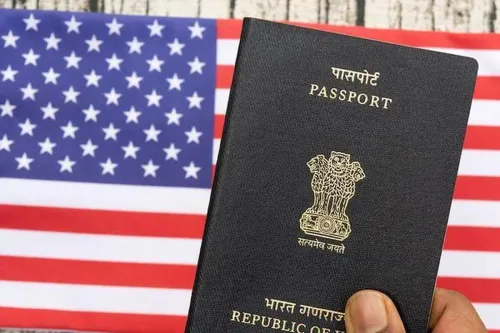
Washington, Dec 26 (NationPress) A significant modification to the US H-1B visa selection mechanism has raised new concerns among Indian tech professionals and Indian American households, following a formal announcement from the Department of Homeland Security (DHS) stating that upcoming H-1B cap selections will now prioritize wage levels over random lottery systems.
The finalized regulation, published in the Federal Register, revises current rules to enable the selection of “unique beneficiaries” for the H-1B annual numerical limits and the advanced degree exemption in a manner that is weighted according to the wage level indicated in each H-1B registration aligning with the prospective employer’s offered salary.
For Indian nationals—who represent a substantial portion of H-1B approvals and are predominant in the lengthy employment-based green card backlog—this shift is under close scrutiny as it may reshape the entry of foreign talent into the US tech sector.
DHS articulated that the rule aims to tackle “shortages in roles necessitating highly skilled or highly educated workers while safeguarding the wages, work conditions, and employment opportunities for US workers,” emphasizing its goal to avert what it termed the “continued abuse of the H–1B program to displace and otherwise harm US workers.”
Public feedback during the rulemaking process underscored apprehensions from businesses, startups, and academic bodies that H-1B professionals “fuel innovation, productivity enhancement, and entrepreneurship,” and that international students play a crucial role in economic advancement. Multiple respondents cautioned that restricting access to global talent could hinder startups and small enterprises that “struggle to match the salaries offered by larger, established companies.”
One respondent highlighted that startups depend on the H-1B program to attract individuals with “specialized skills,” arguing that rendering the program “more costly and challenging to navigate” would “stifle US tech innovation and global leadership.”
DHS dismissed these assertions, stating, “Instead of restricting access to international talent, DHS believes that this rule will enable employers of all types and sizes to attract and retain highly skilled and highly paid foreign workers,” as per the department's response.
The agency referred to data and research questioning the existence of a STEM labor shortage, noting increased unemployment rates among recent US graduates in computer science and similar fields, alongside stagnant or decreasing real wages in computer and mathematical professions in recent years.
“To the extent that this rule discourages US companies from hiring lower-skilled, lower-paid foreign STEM workers, DHS considers this an overall advantage for US workers,” the department remarked, adding that employers may instead be motivated to hire qualified US workers who are “currently unemployed or underemployed.”
Nevertheless, many comments indicated that the regulation introduces further uncertainty into an already intricate system. Numerous individuals arrive in the US as students, transition to Optional Practical Training, and subsequently depend on H-1B sponsorship to maintain employment while awaiting permanent residency—often for years, or even decades—due to per-country green card limitations.
Indian Americans, as shown in the comment sections, expressed that the wage-weighted selection could favor larger firms with larger financial resources while disadvantaging early-career professionals, startups, and research institutions where many Indian nationals commence their US careers.
The final regulation also tackles issues concerning “process integrity,” including potential employer wage manipulation, inconsistencies between registrations and petitions, and multiple registrations by related entities. DHS stated that the amendments were meticulously crafted to establish a clear legal standard and reduce litigation.
The department confirmed that the rule adheres to Executive Order 12988 on civil justice reform and does not necessitate additional environmental or tribal consultation requirements.
Indian Americans, many of whom are US citizens with relatives on work visas, assert that these changes could lead to far-reaching effects beyond the workplace, impacting family stability, home ownership, and long-term settlement choices, as indicated in the comments.
Point of View
It is essential to approach this important issue with a balanced perspective. The recent H-1B visa regulation changes have sparked legitimate concerns among Indian tech professionals and families. While the intent is to protect US workers and ensure fair wages, we must carefully consider the potential impact on innovation and the contributions of foreign talent to the US economy.
NationPress
7 Oct 2026
Frequently Asked Questions
What is the new selection process for H-1B visas?
The new selection process prioritizes wage levels over random lottery systems, allowing selections based on the wage level indicated in H-1B registrations.
How does the rule affect Indian tech workers?
The rule may disadvantage early-career professionals and small startups, potentially favoring larger firms with higher wage offerings.
What is the goal of the DHS in changing the H-1B selection process?
The DHS aims to address shortages in highly skilled positions while protecting US worker wages and job opportunities.
What concerns have been raised regarding the new rule?
Concerns include the potential for stifled innovation and the impact on startups that rely on H-1B talent.
Will this change affect family stability for Indian Americans?
Yes, changes to the H-1B process could influence family stability, home ownership, and long-term settlement decisions for Indian Americans.