Are H-1B Visa Attacks Jeopardizing India-US Relations?
Synopsis
The ongoing tensions surrounding the H-1B visa program could have serious implications for India-US relations, warns Senator Mark Warner. As skilled workers face uncertainty, the future of cooperation hangs in the balance. Discover what this means for the bilateral ties and the global economy.
Key Takeaways
H-1B visa program is crucial for skilled foreign workers.
Policy uncertainty impacts India-US relations.
Senator Warner calls for reform but defends the program's value.
Trust between nations is easily damaged.
Indian professionals are vital to the US economy.
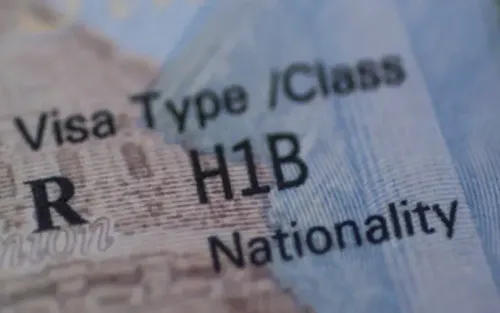
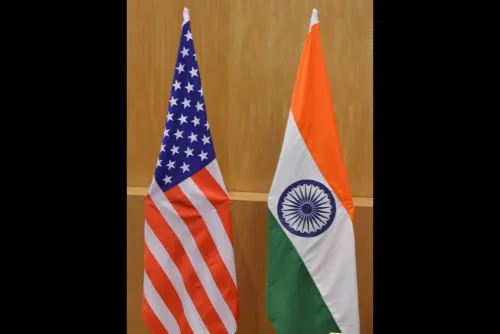
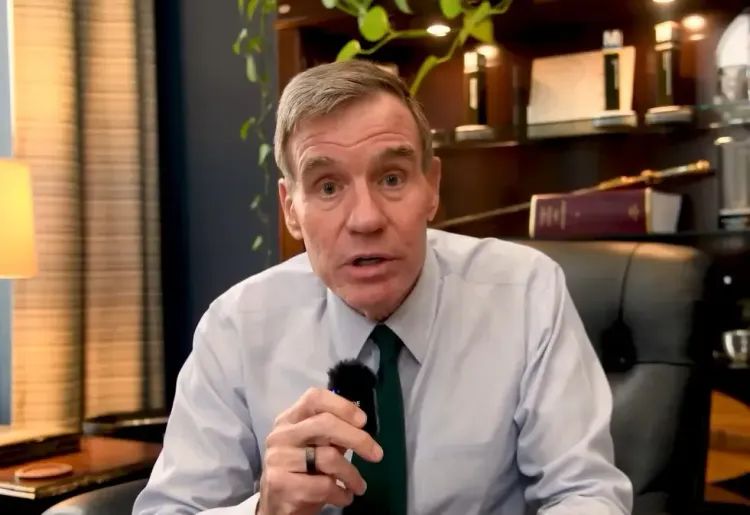
Washington, Jan 28 (NationPress) Concerns over the rhetoric and policy ambiguity surrounding the H-1B visa program are posing a threat to the relationship between India and the United States, potentially eroding trust among skilled professionals and businesses during a crucial phase in bilateral ties, a prominent US legislator has cautioned.
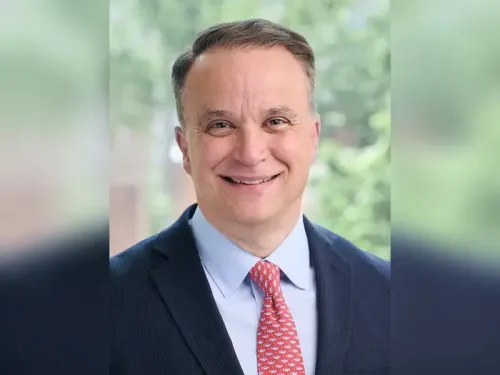
Mark Warner, the Chairman of the Senate Intelligence Committee and Co-Chair of the Senate India Caucus, expressed in an exclusive interview with IANS that the recent moves aimed at the H-1B program have led to confusion and anxiety, particularly among Indian professionals and enterprises.
“It appears to be a significant announcement,” Warner stated, referring to the proposed modifications to the program. He raised concerns about the uncertainty regarding whether a suggested $100,000 fee would be a one-time charge or an ongoing obligation. “The administration did indicate it’s a one-time fee, but I’m unsure about the status of its implementation,” he mentioned.
Warner remarked that this trend of headline announcements followed by delayed specifics is familiar. “So often with Mr. Trump’s administration, there are grand declarations, but the particulars take considerable time to emerge,” he noted.
He acknowledged that while the H-1B system has its shortcomings and requires reform, it also provides significant value. “There are areas where we should pursue H-1B reform,” Warner remarked, noting that some companies have exploited the program. “Certain companies, both Indian and American, utilize this as a means of labor arbitrage.”
Warner criticized such practices as unfair to American workers. “Hiring a skilled worker at a significantly lower wage is not equitable to the American workforce,” he asserted.
Nonetheless, he strongly advocated for the overall importance of the program. Warner pointed out that many sectors of the US economy rely on talented foreign professionals. “There are numerous fields where American talent alone is insufficient,” he stated.
He emphasized that H-1B visa holders have made vital contributions to the US economy. “These H-1B visa holders, many of whom have transitioned to green cards, have significantly enriched this nation,” Warner affirmed.
Warner cautioned that aggressive rhetoric could have significant diplomatic repercussions. He linked immigration policy to broader strains in India-US relations, including trade disputes and tariffs. “This worries me,” he said, referring to the cumulative effects of tariffs and criticisms directed at the visa program.
He remarked that India’s global stature has evolved and must be acknowledged. “India has emerged as a mature, key global player,” Warner stated, suggesting that policies perceived as punitive might prompt New Delhi to consider alternatives.
Warner also highlighted the Indian American diaspora as a stabilizing factor in the relationship. He noted that many within the community are questioning why India seems to be uniquely targeted. “Even individuals who were once supporters of Mr. Trump are now asking, ‘Why does India appear to be singled out more than other countries?’” he commented.
He warned that once trust is damaged, it is difficult to rebuild. “Trust is easily broken and challenging to restore,” Warner concluded.
The H-1B program has long been a foundational element in US technology, healthcare, and research sectors, with Indian professionals making up the largest percentage of beneficiaries. Analysts assert that immigration policy holds symbolic significance for India-US relations, influencing perceptions of openness, partnership, and long-term strategic aims.
Point of View
It is imperative to approach the discussions surrounding the H-1B visa program with a balanced perspective. While the need for reform is recognized, it is equally essential to acknowledge the contributions of skilled foreign professionals to the US economy. A constructive dialogue that respects the interests of all parties can pave the way for sustained cooperation between India and the United States.
NationPress
27 Sept 2026
Frequently Asked Questions
What is the H-1B visa program?
The H-1B visa program allows US companies to employ foreign workers in specialty occupations, requiring theoretical or technical expertise.
How does the H-1B program impact India?
India is one of the largest beneficiaries of the H-1B visa program, with many Indian professionals working in the US tech and healthcare sectors.
What concerns have been raised about the H-1B program?
Concerns include potential exploitation by companies and the impact of policy changes on skilled workers and bilateral relations.
What is Senator Warner's stance on the H-1B program?
Senator Warner acknowledges the need for reform but emphasizes the program's critical role in the US economy.
How could changes to the H-1B program affect US-India relations?
Changes perceived as punitive could strain diplomatic ties and lead India to reconsider its partnership with the US.