Is 'Metroman' Sreedharan Confident in the New High-Speed Rail Project for Kerala?
Synopsis
The Centre has initiated a new high-speed rail project for Kerala, led by E. Sreedharan, sidelining the Silver Line proposal. This ambitious project aims to enhance connectivity and is set to transform the state's transport landscape, promising swift travel and economic growth.
Key Takeaways
New high-speed rail project to enhance Kerala's connectivity.
Sreedharan appointed as chief consultant.
Project aims to minimize land acquisition issues.
430-kilometre corridor from Thiruvananthapuram to Kannur .
Construction expected to complete in five years .
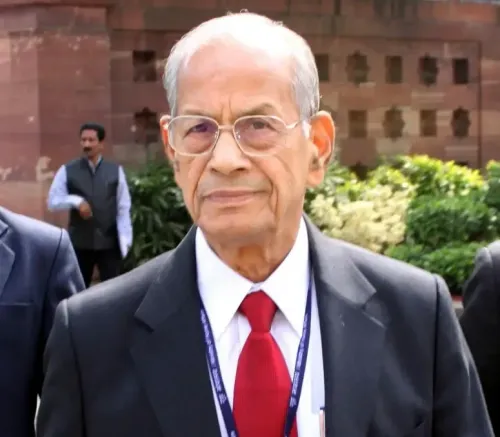
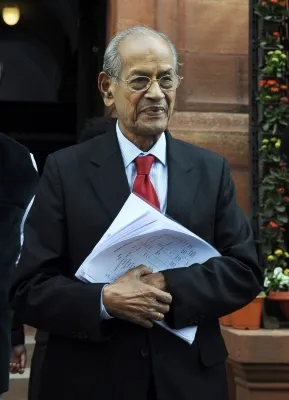
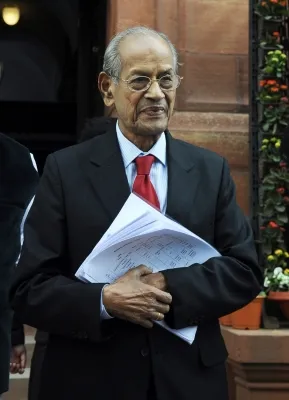
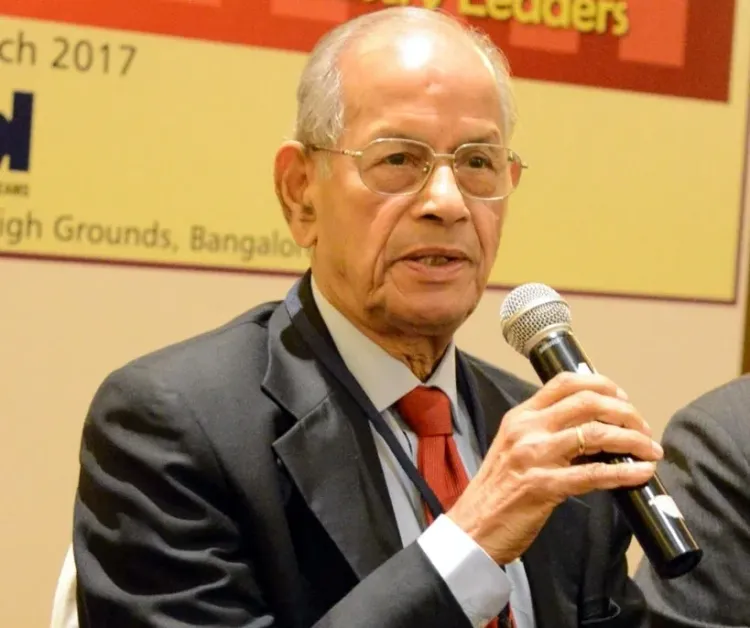
Thiruvananthapuram, Jan 24 (NationPress) In a significant transformation of Kerala's railway infrastructure initiatives, the Centre, as stated by 'Metroman' E. Sreedharan, has opted to advance with a new high-speed rail project for the state, effectively eclipsing the state government's flagship Silver Line initiative.
This new corridor will be led by the Delhi Metro Rail Corporation (DMRC), with seasoned technocrat E. Sreedharan serving as the chief consultant.
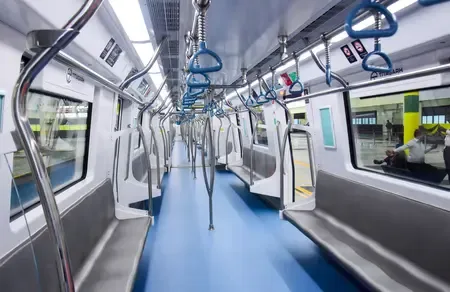
Sreedharan, renowned as the architect behind the Kochi Metro -- which has become a vital mobility solution for commuters and business travellers in Kerala's commercial hub -- mentioned that the Centre has directed officials to act promptly.
An official announcement is anticipated within a fortnight.
While formal government directives may take time, preliminary work has already commenced, with plans for an office to be established in Ponnani, Sreedharan's hometown.
According to him, the envisioned high-speed rail corridor will extend 430 kilometres from Thiruvananthapuram to Kannur, covering the distance in approximately three hours and 15 minutes.
The project aims to include 22 stations and ensure seamless connections to the state's three major airports: Thiruvananthapuram International Airport, Cochin International Airport at Nedumbassery, and Karipur Airport. This will vastly enhance Kerala's transport and logistics framework.
The alignment is meticulously designed to minimize land acquisition, a critical factor that hindered previous proposals.
Most of the corridor will be constructed on elevated tracks, with about 25 percent of it traversing through tunnels.
In elevated sections, land will be returned to owners for use once the pillar construction is finalized, subject to specific conditions.
The Detailed Project Report (DPR) is expected within nine months, with construction projected to conclude in five years at an estimated cost of Rs 1 lakh crore, with the state contributing 30 percent of the expenses.
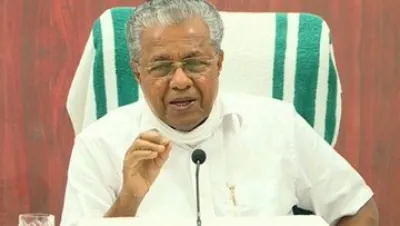
This initiative signifies a clear pivot away from the Silver Line project, which was a favored initiative of Chief Minister Pinarayi Vijayan.
Despite the Chief Minister's repeated assurances that the Silver Line would materialize, the project failed to launch due to escalating concerns regarding land acquisition, environmental implications, and financial sustainability.
Sreedharan also indicated that the DPR for the Nilambur–Nanjangode railway line would be expedited, indicating a more extensive effort to modernize railway connectivity.
For Kerala, the Centre-supported initiative highlights a shift towards execution-focused, technically prudent infrastructure development, following years of political and policy stalemate.
Point of View
The shift towards a Centre-backed high-speed rail initiative underlines a crucial transition in Kerala's infrastructure strategy. It reflects the need for pragmatic solutions that prioritize execution and efficiency over politically motivated projects. The involvement of experienced professionals like E. Sreedharan assures that the focus remains on sustainable and effective development.
NationPress
18 Oct 2026
Frequently Asked Questions
What is the new high-speed rail project for Kerala?
The new high-speed rail project is an initiative by the Centre to develop a 430-kilometre corridor from Thiruvananthapuram to Kannur, led by E. Sreedharan and the DMRC, aiming to enhance connectivity and transport efficiency in the state.
How will the new project differ from the Silver Line?
The new project aims to minimize land acquisition issues and is designed for efficient construction, contrasting with the Silver Line project, which faced significant hurdles regarding environmental impact and land acquisition.
What is the expected timeline for the project?
The Detailed Project Report (DPR) is expected within nine months, with construction anticipated to take five years to complete.
What are the benefits of this high-speed rail project?
The project promises to reduce travel time, enhance connectivity to key airports, and strengthen Kerala's transport and logistics ecosystem, supporting economic growth.
Who is overseeing the project?
The project is being overseen by the Delhi Metro Rail Corporation (DMRC) with E. Sreedharan as the chief consultant, ensuring expert guidance throughout its development.