26/11: Himanta Sarma calls Mumbai attacks India's 'Black Day'
Synopsis
Eighteen years after 10 Lashkar-e-Taiba terrorists held Mumbai hostage for nearly 60 hours, Assam CM Himanta Biswa Sarma called 26/11 Bharat's 'Black Day'. He turned the tribute into a security message, vowing to go after every element that threatens the nation.
Key Takeaways
Assam CM Himanta Biswa Sarma called the 26/11 Mumbai attacks a “Black Day” in India's history on 26 November 2026 .
In a post on X , he paid tribute to the victims and to the security personnel who died fighting the terrorists.
Sarma said India has made major gains in securing the country against external and internal threats since 2008 .
The attacks by 10 Lashkar-e-Taiba terrorists lasted nearly 60 hours , killing 166 and injuring more than 300 .
Nine terrorists were killed; Ajmal Kasab was captured, convicted and executed in 2012 .
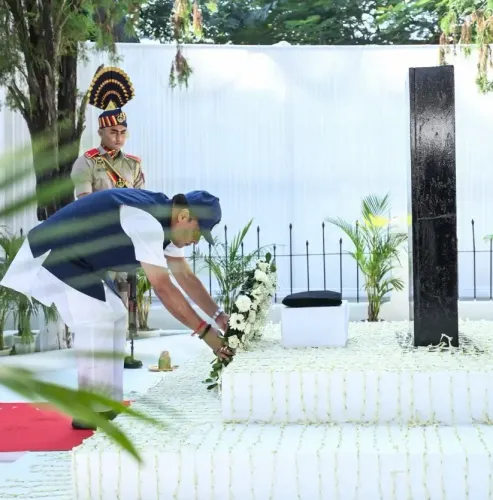
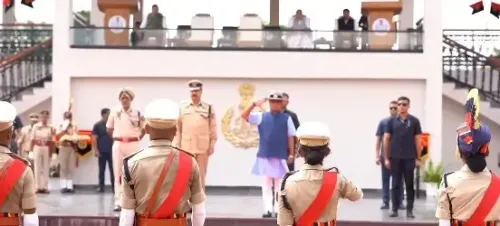
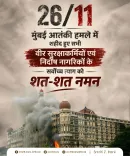
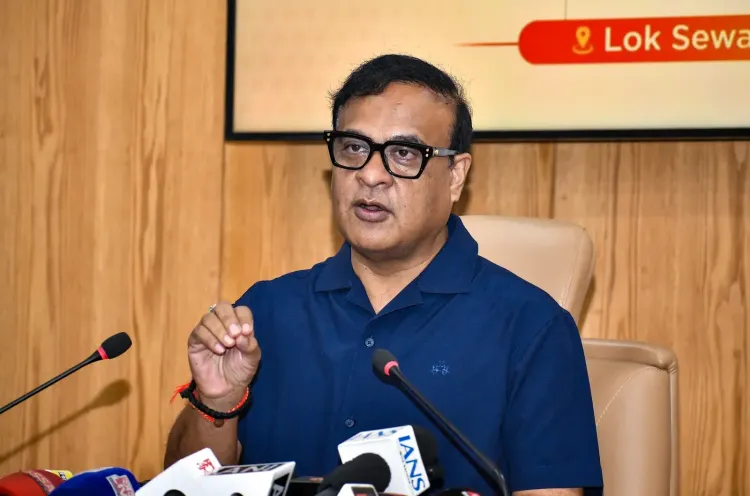
Assam Chief Minister Himanta Biswa Sarma on Thursday, 26 November 2026, called the 26/11 Mumbai terror attacks a “Black Day” in India's history. He paid tribute to the innocent victims and the security personnel who were killed during the 2008 siege. Speaking from Guwahati, Sarma also said the country remains resolved to act against every threat to its security.
What Sarma Said
In a message posted on social media platform X, Sarma said the attack would remain permanently etched in the nation's memory.
“26 November 2008 will forever be etched in Bharat's history as a Black Day, when hundreds of innocents were massacred by Pakistani terrorists in the biggest ever terror strike on the soil of the nation,” the Chief Minister said.
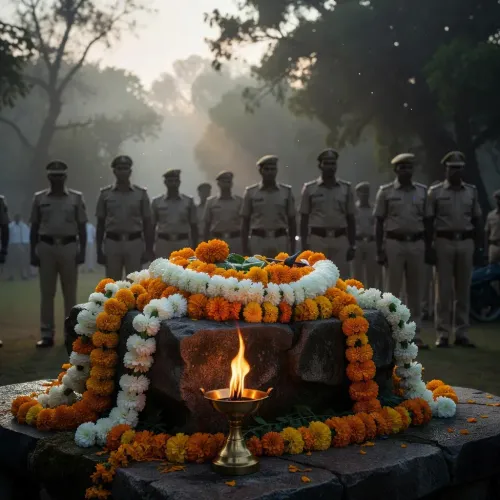
He also paid homage to the civilians who died and to the security personnel who made the supreme sacrifice while confronting the attackers. “My tributes to all the souls and the bravehearts who laid down their lives in the fateful period,” Sarma said.
A Message on National Security
Sarma went beyond remembrance. He argued that India has made significant progress in strengthening its security apparatus since the attacks, against both external and internal threats.
“Since then, we have moved a long way in securing our country from external and internal threats and have vowed to go after every element which is a threat to Bharat's security,” he added.
Notably, the Chief Minister framed the anniversary in terms of security policy as well as grief. He stressed India's resolve to take firm action against individuals and organisations that threaten national security. That framing has become common in official commemorations of the attack in recent years.
How the 2008 Siege Unfolded
The attacks began on 26 November 2008. That night, 10 heavily armed terrorists from the Pakistan-based Lashkar-e-Taiba launched coordinated assaults at multiple locations across Mumbai.
The siege lasted nearly 60 hours. Targets included the Taj Mahal Palace Hotel, the Oberoi Trident, Chhatrapati Shivaji Terminus and Nariman House.
A total of 166 people were killed and more than 300 were injured. Security forces killed nine of the terrorists. Ajmal Kasab was captured alive, then convicted and executed in 2012.
Why the Day Still Matters
India observes 26 November every year to remember the victims and honour the courage of those who fought the terrorists. This year marks the 18th anniversary of the attack.
The 2008 siege remains a reference point in India's counter-terror and coastal security debates. It also continues to shape relations between India and Pakistan. Tributes like Sarma's are part of a wider pattern of leaders across party lines using the anniversary to restate the country's position on cross-border terrorism.
As the nation pauses to remember those killed, the focus remains on how the security gains Sarma described hold up against evolving threats in the years ahead.
Point of View
With 'go after every element' now the standard political register. The claim that India has 'moved a long way' is plausible, but it deserves scrutiny beyond anniversary rhetoric. Coastal surveillance, intelligence coordination and police modernisation gaps exposed in 2008 have been audited unevenly, and public accountability on them remains thin. Honouring the 166 dead means measuring preparedness, not just declaring it.
NationPress
26 Nov 2026
Frequently Asked Questions
What did Himanta Biswa Sarma say about the 26/11 attacks?
Assam Chief Minister Himanta Biswa Sarma called the 26/11 Mumbai attacks a 'Black Day' in India's history. In a post on X, he paid tribute to the victims and security personnel and said India has vowed to go after every threat to its security.
How many people were killed in the 26/11 Mumbai attacks?
A total of 166 people were killed and more than 300 were injured in the 2008 Mumbai attacks. The siege lasted nearly 60 hours across several locations in the city.
Who carried out the 26/11 Mumbai terror attacks?
The attacks were carried out by 10 heavily armed terrorists from the Pakistan-based Lashkar-e-Taiba. Nine were killed by security forces, while Ajmal Kasab was captured alive and later executed in 2012.
Which places were targeted during the 26/11 attacks?
The terrorists targeted prominent Mumbai landmarks, including the Taj Mahal Palace Hotel, Oberoi Trident, Chhatrapati Shivaji Terminus and Nariman House.
Why is 26 November observed every year in India?
India observes 26 November each year to remember the victims of the 2008 Mumbai terror attacks. The day also honours the courage and sacrifice of the security personnel who fought the terrorists.