26/11 anniversary: Murmu says terror can't break India's spirit
Synopsis
Eighteen years after 10 Lashkar-e-Taiba terrorists held Mumbai hostage for four days and killed 166 people, President Droupadi Murmu has paid homage to the victims and security forces. She declared that terrorism may shatter lives but can never break a nation united in courage, compassion and resilience.
Key Takeaways
President Droupadi Murmu paid homage to 26/11 victims and martyrs on 26 November 2026 , the attacks' 18th anniversary .
She said terrorism “can never break the spirit of a nation united in courage, compassion, and resilience.” The attacks by 10 Lashkar-e-Taiba terrorists ran from 26 to 29 November 2008 .
The siege killed 166 people and injured around 300 .
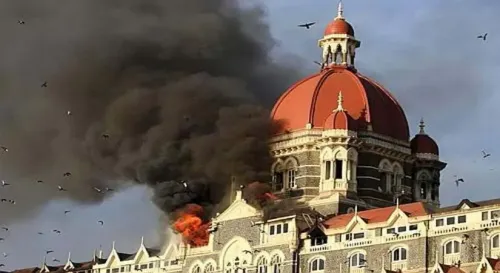
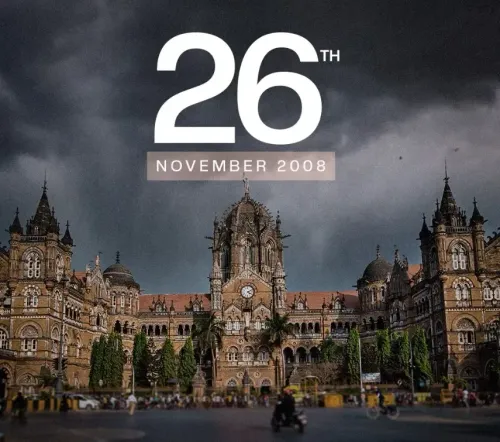
Targets included CST station , Leopold Cafe , Nariman House , the Taj Mahal Palace and Oberoi-Trident hotels.
Security forces killed nine attackers; Ajmal Amir Kasab was captured, sentenced to death in 2010 and executed in 2012 .
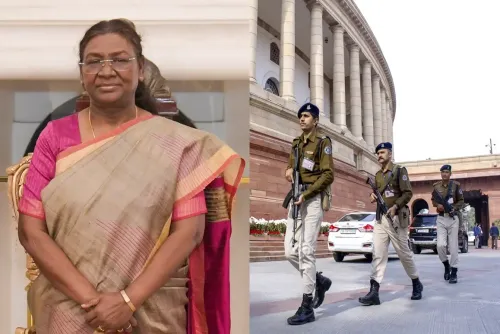
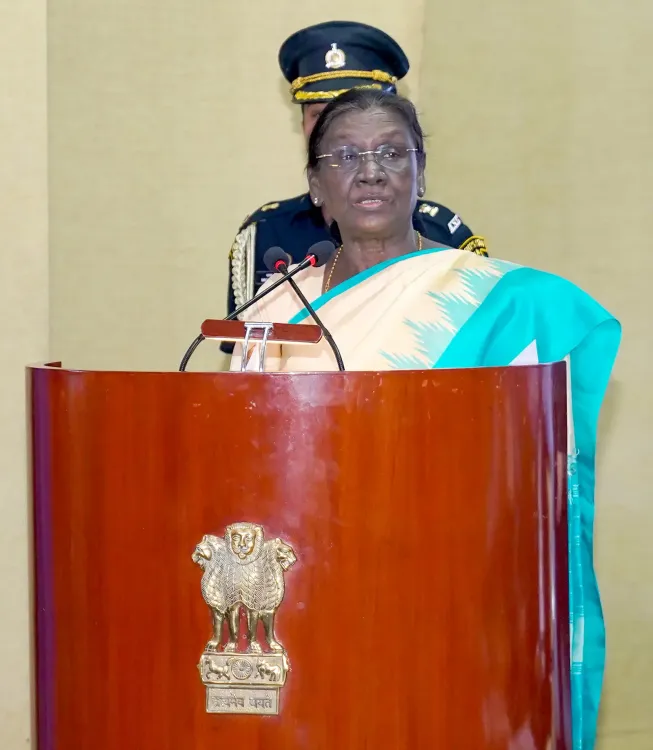
President Droupadi Murmu on Thursday, 26 November 2026, paid homage to the victims and martyrs of the 26/11 Mumbai terror attacks. On the 18th anniversary of the 2008 strikes, she said terrorism can never break the spirit of a nation that stands united. Her statement, issued from New Delhi, honoured the innocent lives lost and the security personnel who confronted the attackers.
What President Murmu Said
In a statement, the President said she bowed her head in remembrance of those killed. She also saluted the courage of soldiers, police personnel and civilians who stood against terror.
“On this solemn anniversary of the 26/11 Mumbai terror attacks, I bow my head in remembrance of the innocent lives lost and salute the courage of our brave soldiers, police personnel, and all those who stood fearlessly against terror. Their sacrifice and selfless service will forever remain etched in our nation's soul,” President Murmu said.
“Terrorism may shatter lives, but it can never break the spirit of a nation united in courage, compassion, and resilience,” she added.
Murmu also expressed solidarity with those who lived through the attacks. “Today, we stand with the survivors and their families, reaffirming our collective resolve to eliminate terrorism in all its forms and work towards a more peaceful and humane world,” she said.
Recalling the Four-Day Siege
The attacks were carried out by 10 terrorists associated with the Pakistan-based Lashkar-e-Taiba. They began on the night of 26 November 2008 and continued until 29 November. Mumbai was hit by a series of coordinated strikes on prominent public places, hotels and other establishments.
The targets included:
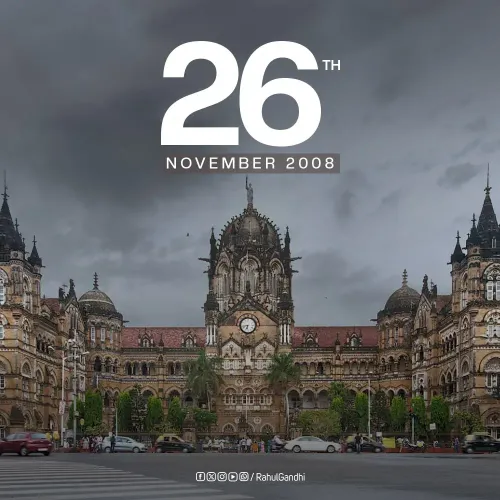
- Chhatrapati Shivaji Terminus railway station
- Leopold Cafe
- Two hospitals
- Nariman House
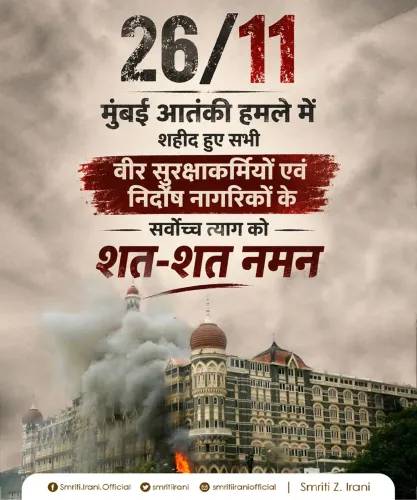
- The Taj Mahal Palace hotel
- The Oberoi-Trident hotels
Toll and Aftermath
The siege lasted four days. It claimed 166 lives and left around 300 people injured.
Security forces killed nine of the 10 attackers during their operations. The tenth, Ajmal Amir Kasab, was captured alive. He was sentenced to death in 2010 and executed in 2012.
Why the Anniversary Still Resonates
The attacks remain one of the darkest chapters in India's history. Each year, the anniversary serves as a reminder of the sacrifices made by security personnel in the fight against terrorism.
The President's message focused on national resilience and the resolve to eliminate terrorism in all its forms. That emphasis reflects the theme the anniversary has come to represent in national memory.
Notably, the attacks unfolded across some of Mumbai's best-known landmarks, from a historic railway terminus to heritage hotels. This is one reason the memory of 26/11 extends well beyond the city.
As India marks 18 years since the siege, tributes to the victims, survivors and fallen personnel are expected to continue through the day across the country.
Point of View
26/11 has settled into the rhythm of solemn annual tributes, and the President's words rightly honour victims, survivors and the personnel who ran towards the gunfire. But remembrance is only half the obligation. The attack was planned by a Pakistan-based outfit, and full accountability for its masterminds remains a pending national demand. The resolve to eliminate terrorism in all its forms will be measured by sustained preparedness and pursuit of justice, not by anniversaries alone.
NationPress
26 Nov 2026
Frequently Asked Questions
What did President Murmu say on the 26/11 anniversary?
President Droupadi Murmu said terrorism may shatter lives but can never break the spirit of a nation united in courage, compassion and resilience. She paid homage to the victims and saluted the soldiers, police personnel and others who stood against terror.
What happened during the 26/11 Mumbai attacks?
Ten terrorists associated with Pakistan-based Lashkar-e-Taiba carried out coordinated strikes across Mumbai from 26 to 29 November 2008. Targets included CST railway station, Leopold Cafe, two hospitals, Nariman House and the Taj Mahal Palace and Oberoi-Trident hotels.
How many people died in the 26/11 attacks?
The four-day siege claimed 166 lives and left around 300 people injured. Nine of the 10 attackers were killed by security forces.
What happened to Ajmal Kasab?
Ajmal Amir Kasab was the only attacker captured alive during the 26/11 siege. He was sentenced to death in 2010 and executed in 2012.
Which anniversary of 26/11 is being marked in 2026?
26 November 2026 marks the 18th anniversary of the 2008 Mumbai terror attacks. The day is observed with tributes to the victims, survivors and security personnel who lost their lives.