Hyundai Mobis Q1 Net Profit Drops 14% Amid Weak Vehicle Demand
Synopsis
Hyundai Mobis posted a 14% drop in Q1 net profit to 883 billion won, hit by weak global vehicle demand and Middle East tensions. Yet operating profit rose 3.3% on EV component sales, and the company plans a 12% jump in R&D spending to 2.1 trillion won — betting big on future mobility.
Key Takeaways
Hyundai Mobis Q1 2025 net profit fell 14 percent year-on-year to 883.05 billion won ($596 million) , down from 1.03 trillion won a year earlier.
Operating profit rose 3.3 percent to 802.65 billion won , supported by increased supply of high-end electric vehicle components to global automakers.
Sales grew 5.5 percent to 15.56 trillion won , indicating top-line resilience despite bottom-line pressure.
Hyundai Mobis plans to spend 2.1 trillion won on R&D in 2025 , a 12 percent increase from the prior year, focused on future mobility solutions.
The company targets raising overseas parts sales from 10 percent to 40 percent of total revenue by 2033 to reduce affiliate dependency.
Hyundai Motor reported a 23.6 percent net profit drop in Q1 2025, with U.S. tariff costs amounting to 860 billion won during the quarter.
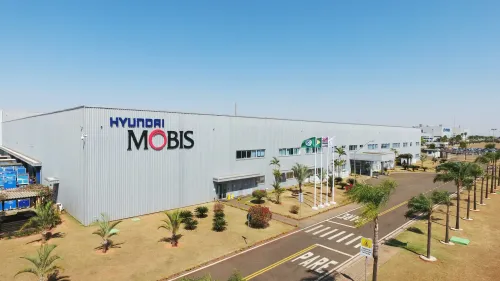
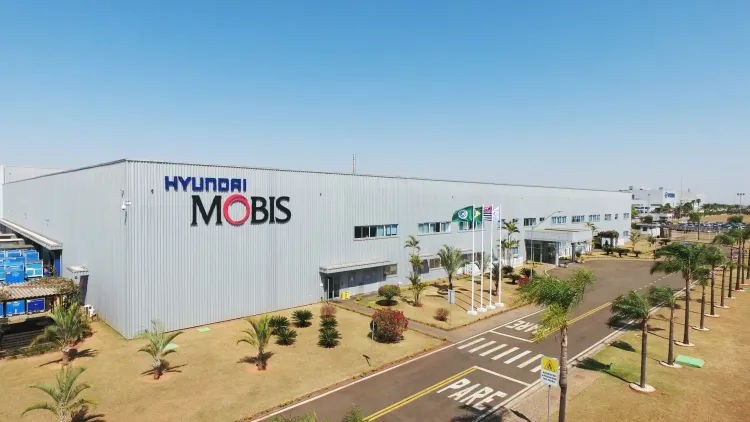
Hyundai Mobis, South Korea's largest automotive parts manufacturer, reported a 14 percent decline in first-quarter net profit on Friday, April 24, as sluggish global vehicle demand and geopolitical headwinds squeezed earnings. Net profit for the January–March 2025 period dropped to 883.05 billion won ($596 million), down from 1.03 trillion won recorded in the same quarter a year ago. The results underscore mounting pressure on global auto supply chains amid a complex macro environment.
Q1 Financial Snapshot: Profits Down, Sales Up
Despite the sharp fall in net profit, Hyundai Mobis managed to grow its top line. Sales climbed 5.5 percent year-on-year to 15.56 trillion won, up from 14.75 trillion won in the corresponding period of the previous year. This revenue growth signals continued demand for the company's product portfolio, even as bottom-line figures took a hit.
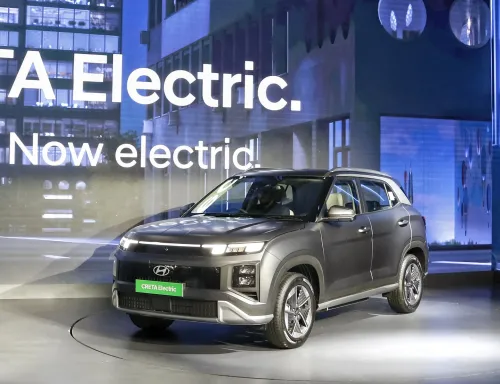
Operating profit bucked the net profit trend, rising 3.3 percent to 802.65 billion won from 776.68 billion won a year earlier. The uptick was attributed to increased supply of high-end electric vehicle (EV) components to global automakers, a segment where the company has been aggressively expanding its footprint.
Geopolitical Tensions and Market Headwinds
A company official cited rising external uncertainties linked to prolonged tensions in the Middle East as a key factor dampening vehicle sales and parts demand globally, according to reports by Yonhap News Agency. These geopolitical pressures have disrupted trade flows and dampened consumer sentiment across major automotive markets in Europe, North America, and Asia.
This comes amid a broader slowdown in global auto sales, with multiple original equipment manufacturers (OEMs) revising downward their production forecasts for 2025. For a company that derives roughly 90 percent of its parts revenue from affiliates Hyundai Motor Co. and Kia Corp., any demand softness at the parent level has an outsized impact on earnings.
Aggressive R&D Push to Future-Proof the Business
Despite the earnings pressure, Hyundai Mobis is doubling down on long-term competitiveness. The company announced plans to invest 2.1 trillion won in research and development (R&D) during 2025, representing a 12 percent increase from the previous year. The investment is aimed at strengthening capabilities in future mobility solutions, including autonomous driving systems, EV powertrains, and connected vehicle technologies.
This strategic bet on R&D reflects a broader industry shift: as vehicle electrification accelerates, traditional auto parts suppliers face existential pressure to pivot toward software-defined and electrified component systems. Hyundai Mobis appears to be positioning itself ahead of that curve.
Diversification Strategy: Reducing Affiliate Dependency
One of the most significant long-term strategic moves disclosed by Hyundai Mobis is its ambition to reduce dependence on Hyundai Motor and Kia. Currently, overseas parts sales account for just 10 percent of total parts revenue. The company has set a target to raise that share to 40 percent by 2033, a move that would substantially de-risk its revenue base and open new growth channels with global OEM clients.
The company also holds a 21.86 percent stake in Hyundai Motor, making its financial performance closely intertwined with the parent group's fortunes. Hyundai Motor itself reported a 23.6 percent year-on-year drop in Q1 net profit to 2.58 trillion won ($1.7 billion), weighed down by U.S. auto tariffs, rising raw material costs, and increased capital expenditure. Tariff-related costs alone amounted to 860 billion won during the quarter.
Broader Industry Impact and What Comes Next
The Q1 results from both Hyundai Motor and Hyundai Mobis paint a cautionary picture for the global automotive sector. U.S. tariff policies under the current trade environment are adding significant cost burdens, while Middle East instability continues to disrupt supply chains and suppress consumer confidence in key markets.
Notably, Hyundai Motor's Q1 operating income fell 30.8 percent year-on-year to 2.51 trillion won, though sales grew 3.4 percent to 45.93 trillion won — and the net profit figure still beat analyst expectations of 2.43 trillion won, per Yonhap Infomax. This suggests that while the operating environment is challenging, demand for Hyundai vehicles remains relatively resilient.
Looking ahead, all eyes will be on whether Hyundai Mobis' accelerated R&D investments and overseas diversification strategy can offset affiliate-linked demand risks. With global EV adoption still uneven and trade policy uncertainty persisting, the company's ability to secure non-affiliate OEM contracts will be a critical indicator of its strategic progress through the rest of 2025.
Point of View
Trade protectionism, and an uneven EV transition are simultaneously compressing margins across the board. What's strategically significant, however, is that Hyundai Mobis is not retreating: a 12 percent R&D spending hike and a bold target to quadruple overseas parts sales by 2033 signal that South Korean automakers are playing a long game. The real risk the mainstream narrative underplays is the 90 percent affiliate dependency — if Hyundai Motor and Kia continue to face tariff headwinds in the U.S., Mobis's diversification timeline becomes not just a growth ambition but a survival imperative.
NationPress
23 Oct 2026
Frequently Asked Questions
Why did Hyundai Mobis Q1 net profit fall in 2025?
Hyundai Mobis Q1 net profit fell 14 percent to 883.05 billion won due to weaker global vehicle demand and rising uncertainties linked to Middle East tensions. These factors dampened vehicle sales and parts demand across key global markets.
What was Hyundai Mobis's revenue in Q1 2025?
Hyundai Mobis reported Q1 2025 sales of 15.56 trillion won, a 5.5 percent increase from 14.75 trillion won in the same period a year earlier. Operating profit also rose 3.3 percent to 802.65 billion won, driven by high-end EV component supply.
How much is Hyundai Mobis investing in R&D in 2025?
Hyundai Mobis plans to invest 2.1 trillion won in research and development in 2025, marking a 12 percent increase from the previous year. The investment targets future mobility solutions including EV components and autonomous driving technologies.
How did U.S. tariffs affect Hyundai Motor's Q1 2025 results?
U.S. auto tariffs cost Hyundai Motor approximately 860 billion won in Q1 2025, contributing to a 23.6 percent year-on-year decline in net profit to 2.58 trillion won. Operating income fell 30.8 percent, though sales grew 3.4 percent and profits beat analyst estimates.
What is Hyundai Mobis's strategy to reduce dependence on Hyundai Motor and Kia?
Hyundai Mobis aims to raise its overseas parts sales from the current 10 percent to 40 percent of total parts revenue by 2033. This diversification strategy is designed to reduce the company's heavy reliance on affiliates Hyundai Motor Co. and Kia Corp., which currently account for about 90 percent of its parts sales.