Is Suspended IAS Officer N. Prasanth Correct in His Accusations Against Kerala's Chief Secretary?
Synopsis
Suspended IAS officer N. Prasanth has accused Kerala Chief Secretary Dr. A. Jayathilak of serious misconduct, alleging he issued government orders without the relevant minister's consent. This situation raises significant questions about administrative integrity and oversight.
Key Takeaways
Prasanth's allegations highlight concerns about administrative overreach.
Violation of Rules of Business could undermine governance.
Calls for cancellation of unlawful orders and legal accountability.
Issues reflect broader challenges within India's bureaucratic system .
Emphasis on ethical standards in civil service.
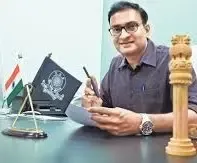
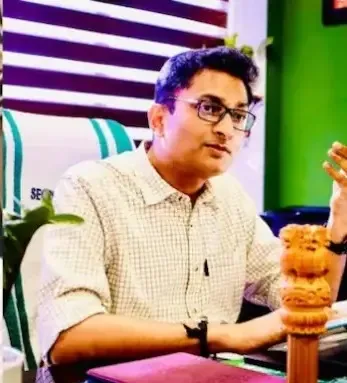
Thiruvananthapuram, December 8 (NationPress) - The suspended IAS officer N. Prasanth has made a series of serious allegations against Kerala Chief Secretary Dr. A. Jayathilak, claiming that he has repeatedly issued government orders without the minister's knowledge, which he believes breaches the Rules of Business.
In a strongly worded post on his social media platform, Prasanth stated that these actions are not isolated but indicative of a wider issue of administrative overreach.
He referenced recent media coverage, alleging that Dr. Jayathilak has issued orders independently, failing to send files for ministerial ratification.
Prasanth also pointed out that in a previous instance involving Dr. B. Ashok, the file was only sent to the Chief Minister after the matter became contentious in court.
He recalled that during Dr. Jayathilak's tenure in the SC/ST Department, the then minister K. Radhakrishnan closely monitored file movements.
However, during the minister's absence due to election campaigning, Jayathilak allegedly attempted to push through what Prasanth described as “illegal actions” by acting in the minister's stead.
Prasanth suggested that his resistance to these actions ultimately led to the disciplinary actions taken against him.
Moreover, he alleged that on March 16, 2024, IAS officer Gopalakrishnan was appointed as CEO of the Unnathi mission without the knowledge of both the department minister and the Chief Minister.
According to him, government records show that Jayathilak facilitated the appointment and transferred files to the new officer.
He highlighted later media reports which mentioned that those files were found to be missing.
Prasanth stated that staff at the secretariat informed him that Jayathilak frequently issued unilateral government orders in departments where strong administrative oversight was lacking.
He cited a controversial order regarding tree felling at Muttill as another instance of such unilateral decision-making.
Emphasizing that orders issued without proper authority lack legal standing, Prasanth insisted that such actions would not survive judicial review.
He urged for the cancellation of all such orders and the initiation of legal proceedings.
In a pointed conclusion, Prasanth condemned what he characterized as a culture where bureaucrats “appropriate political power through flattery”, asserting that such behavior undermines the ethical foundations of civil service.
Point of View
The allegations made by N. Prasanth against Chief Secretary Dr. A. Jayathilak reflect deep-rooted issues within administrative practices in India. The concerns over unilateral decision-making highlight the need for stringent checks and balances within the bureaucracy to uphold the integrity of governance.
NationPress
20 Sept 2026
Frequently Asked Questions
What are the main allegations made by N. Prasanth?
N. Prasanth accuses Kerala Chief Secretary Dr. A. Jayathilak of issuing government orders without the knowledge of the concerned minister, violating the Rules of Business.
What does Prasanth claim about previous instances?
He claims that in a prior case, files were sent to the Chief Minister only after legal scrutiny arose.
How does Prasanth describe Jayathilak's actions?
Prasanth describes Jayathilak's actions as part of a larger pattern of administrative overreach and attempts to push through illegal actions.
What does Prasanth want to happen with these orders?
He demands that all such orders be cancelled and legal actions initiated.
What is the significance of this situation?
This controversy raises serious questions about the integrity and operational practices within Kerala's bureaucracy.