Should IBM’s Arvind Krishna Advocate for Looser US Export Rules on AI?

Synopsis
In a pivotal meeting with President Trump, Arvind Krishna of IBM highlights the urgent need for the US to ease AI export restrictions. He warns that failure to act may allow rival nations to gain critical capabilities, jeopardizing the competitive edge of American allies, particularly India. Discover the implications for the global AI landscape.
Key Takeaways
Arvind Krishna advocates for easing export rules on AI technologies.
Current restrictions hinder US companies from deploying AI in partner markets.
India's AI sector relies heavily on US technology.
Trump expressed willingness to act on Krishna's suggestions.
Reducing barriers could enhance collaboration among allies.
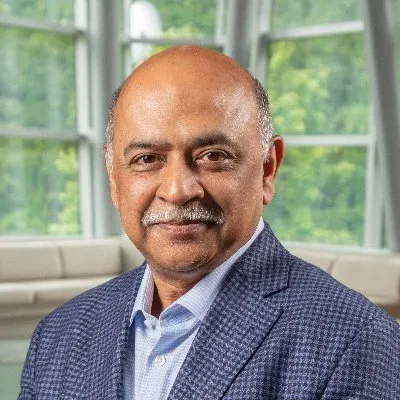
Washington, Dec 11 (NationPress) Arvind Krishna, Chairman and CEO of IBM, has urged the Trump Administration to ease the constraints on exporting sophisticated American artificial intelligence systems to allied nations. He cautioned that without these changes, competitors could acquire capabilities that reliable partners would miss out on.
During a technology roundtable at the White House with President Donald Trump, his comments underscored the repercussions for India's burgeoning AI sector, which heavily depends on US hardware, software, and cloud services.
Krishna emphasized the necessity for the US to facilitate allied countries in accessing the comprehensive array of American-designed AI tools. The IBM leader was present beside the president in the Roosevelt Room.
"It’s crucial that, under the action plans you have outlined, we actively promote the AI stack, which encompasses more than just semiconductors. While semiconductors are vital, the stack includes software, systems developed by many of us here, and the applications built atop that software," he told Trump.
He pointed out that existing export restrictions, particularly those affecting systems with regulated semiconductor components, hinder US companies from deploying AI platforms in essential partner countries. "The current controls on the export of semiconductors restrict our ability to ship entire systems that include these components to certain nations," he stated.
Krishna cautioned that this gap is being taken advantage of by adversaries. "If we don’t act, we risk enabling competing nations to access that technology stack," he said. He urged Washington to uphold necessary safeguards while eliminating unnecessary obstacles: "Reducing barriers will be tremendously beneficial."
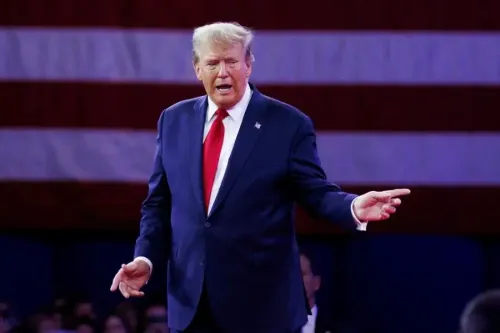
Trump replied, indicating his administration would act swiftly if necessary. "I have a good understanding of every country, and we can respond quickly. Just keep me informed," he assured the IBM chief.
Krishna also praised the administration's initiatives to simplify federal regulations, asserting that minimizing red tape is advantageous for both US businesses and their global partners, including development teams based in India. "We appreciate all your efforts for economic growth and the progress in deregulation, making it easier for businesses to engage in that growth," he said.
He noted IBM's collaboration with federal agencies on digital modernization, which has historically influenced best practices embraced by corporate and public sector clients in India. "We partnered with Commissioner Frank Bisignano to enhance Social Security and will continue to collaborate on improving the IRS," Krishna mentioned.
As a prominent Indian American figure in global technology, Krishna has guided IBM towards hybrid cloud and enterprise AI solutions that are integral to India's digital transformation across sectors such as financial services, telecommunications, logistics, healthcare, and government services.
Point of View
It is essential to recognize the implications of Arvind Krishna's appeal to the Trump Administration. His concerns about export restrictions are not merely corporate interests but reflect broader geopolitical dynamics in the tech industry. The need for collaboration among allies, especially in AI, is critical for maintaining competitive advantages and ensuring national security.
NationPress
30 Sept 2026
Frequently Asked Questions
What did Arvind Krishna advocate for?
Arvind Krishna urged the Trump Administration to relax export restrictions on advanced American AI systems to friendly nations.
Why are export restrictions a concern?
Current export controls prevent US firms from deploying AI platforms in key partner markets, potentially allowing rivals to gain access to advanced technologies.
How does this affect India?
India's rapidly growing AI ecosystem is heavily reliant on US technology and infrastructure, making the export regulations a significant concern for its development.
What did Trump say in response?
President Trump indicated that his administration would act swiftly if needed to address the concerns raised by Krishna.
What are the implications of reduced export barriers?
Lowering export barriers could facilitate better access to advanced technologies for allied nations and enhance global collaboration in AI.