How Will Poll Violence Since 2014 Influence CAPF Deployment for the 2026 Bengal Assembly Elections?
Synopsis
As the Election Commission of India reviews election-related violence from past elections, the implications for CAPF deployment in the 2026 Bengal Assembly elections become clearer. This analysis will shape security measures and the conduct of the polls, raising questions about the future of electoral safety in the region.
Key Takeaways
The ECI will assess poll violence history to inform CAPF deployment.
Seven elections since 2014 are under review for violence records.
A proposal suggests conducting elections in one or two phases.
Increased CAPF deployment is anticipated compared to prior elections.
Final voter list publication is scheduled for February 14.
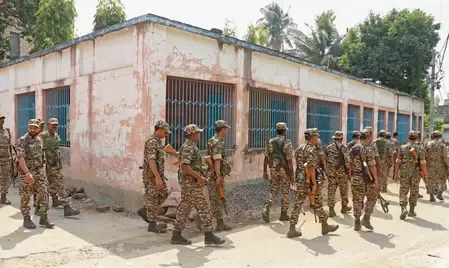
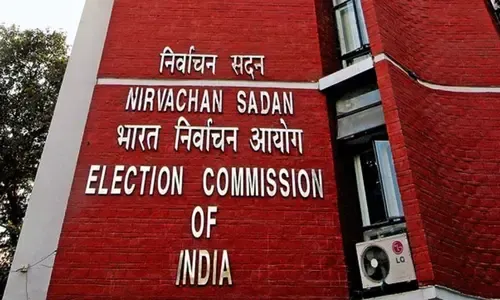
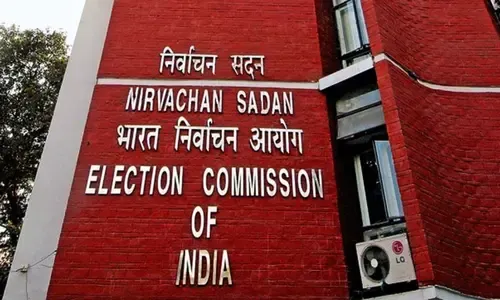
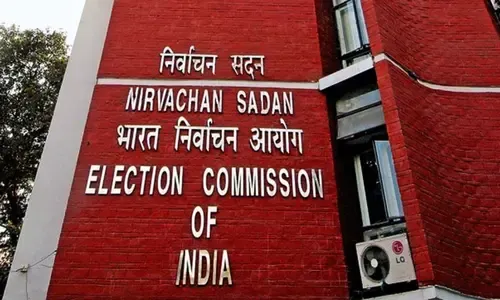
Kolkata, Jan 15 (NationPress) The Election Commission of India (ECI) is set to evaluate the history of election-related violence across the last seven elections in West Bengal since 2014 to inform the level and distribution of Central Armed Police Force (CAPF) deployment for the upcoming 2026 Assembly elections.
The elections under scrutiny include the Lok Sabha elections of 2014, 2019, and 2024, the state Assembly elections of 2016 and 2021, as well as the panchayat elections held in 2018 and 2023.
As part of this evaluation, the ECI has requested immediate access to police station-wise reports detailing incidents of election-related violence, including casualty figures from these elections, according to sources from the Chief Electoral Officer (CEO) of West Bengal.
Furthermore, the Commission has also asked for comprehensive PS-wise reports on the current status of history-sheeters related to these incidents.
“Based on the analysis of these PS-wise reports, the ECI will determine not just the number of CAPF companies required for the Assembly elections but also how these forces will be distributed based on the sensitivity of various regions and polling booths,” revealed a source from the CEO's office.
This time around, CAPF deployment is anticipated to exceed previous elections. A proposal has been put forth by the CEO's office to the ECI suggesting that the 2026 West Bengal Assembly elections be conducted in one or two phases, a significant reduction from the seven to eight phases seen in prior elections.
The matter was recently discussed during a meeting at the ECI headquarters in New Delhi, presided over by Chief Election Commissioner (CEC) Gyanesh Kumar and attended by CEOs from other states and one union territory.
An insider from the CEO’s office pointed out that the possibility of conducting elections in a single or two-phase format presents both benefits and challenges.
“The advantage lies in minimizing the ability of political parties to mobilize their supporters across regions, thereby addressing the common issue of outsider mobilization used to intimidate voters on or before polling day,” the insider explained.
However, conducting elections in a single or two-phase format necessitates a larger CAPF deployment, particularly on polling day. “If the Commission can ensure this arrangement, then the concept of a single or two-phase election is entirely achievable,” the source added.
The ongoing Special Intensive Revision (SIR) in West Bengal is set to conclude with the final voter list publication on February 14. Subsequently, the ECI is expected to announce the polling dates for the Assembly elections.
Point of View
It's imperative to recognize that the ECI's decision is rooted in ensuring electoral integrity and security. The emphasis on historical violence demonstrates a commitment to safeguarding the democratic process while addressing the concerns of local voters. As a nation, we must support measures that enhance the safety of our electoral systems.
NationPress
22 Sept 2026
Frequently Asked Questions
What factors will influence CAPF deployment in the 2026 Bengal Assembly elections?
The ECI will consider the history of election-related violence from the last seven elections in West Bengal since 2014, including casualty figures and reports from police stations.
How many phases will the 2026 Bengal Assembly elections be conducted in?
There is a proposal for the elections to occur in one or two phases, a significant reduction from the previous seven to eight phases.
What is the significance of the Special Intensive Revision (SIR)?
The SIR is crucial as it leads to the final publication of the voters’ list, which is expected by February 14, and will precede the announcement of polling dates.